Planting
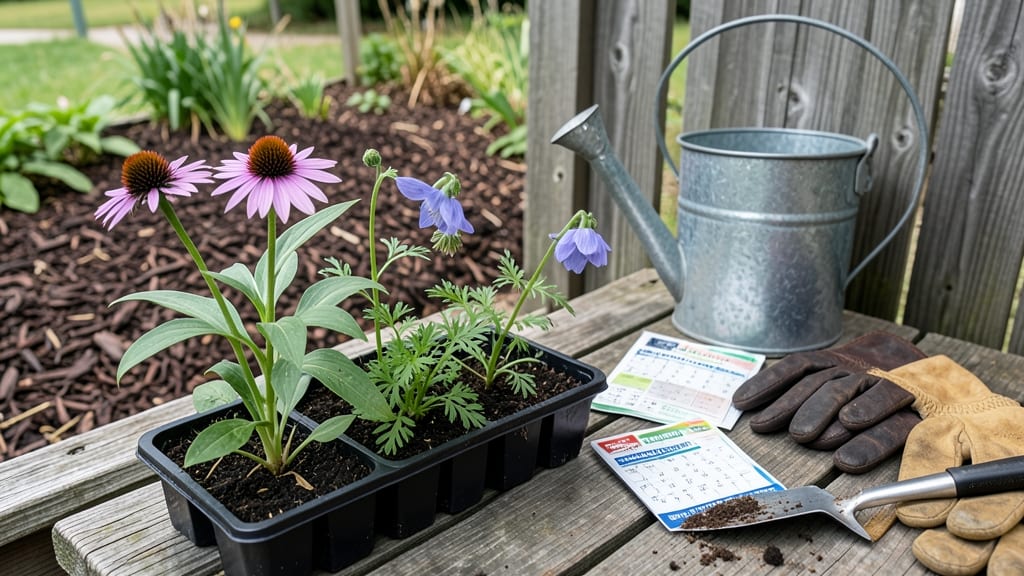
Planting a garden in Colorado means timing your 🌱 crops to survive dramatic shifts between frost and heat—get it wrong, and you’ll watch your seedlings turn to mush overnight.
Colorado’s elevation zones stretch from near sea level in the San Luis Valley to 14,000+ feet in the mountains, which means your last frost in Denver isn’t the same as in Grand Junction. In fact, some high-altitude gardens face a 60-day shorter growing season than their Front Range neighbors.
Below, I break down the exact frost-free windows for each zone, plus the plant-specific rules that keep your tomatoes thriving while your spinach bolts. Spoiler: warm-season crops like peppers need to wait until after May 15 in most of the state.
You’ll also discover how to stretch your season with cold frames, which crops to start indoors in February, and why soil temperature matters more than the calendar date.
Colorado planting zones by elevation: frost-free dates you can’t ignore
Colorado’s elevation extremes create planting challenges unlike anywhere else. While Denver’s Front Range enjoys USDA Zone 5b, just 50 miles west in the Western Slope, you might be in Zone 7a—with frost dates that shift by weeks.
These differences mean your tomato plants could thrive in Grand Junction but freeze overnight in Fort Collins. Understanding your microclimate isn’t optional; it’s the key to avoiding frost-killed seedlings and maximizing your harvest.
Most Colorado gardeners rely on average frost dates, but microclimates—like urban heat islands in Denver or cold mountain valleys—can push those dates by 10-14 days.
For example, downtown Denver might see its last frost on May 10, while nearby Boulder could experience frost until May 25. High-altitude areas like Leadville (Zone 4) face frost risks well into June, while Grand Junction (Zone 7) often has frost-free soil by March 15.
Here’s the critical data you need to plan your 2025 garden, including elevation-specific adjustments and microclimate exceptions that could save your plants:
If you’re gardening in Denver’s urban core, you might plant
Best vegetables to plant in each Colorado elevation Zone (with exact timing)
Colorado’s elevation zones demand precision when planting vegetables—what thrives in Denver’s 5,280 feet will fail in Telluride’s 8,750 feet. Cool-season crops like spinach and kale can handle early spring plantings in lower zones, while tomatoes and peppers need to wait until after May 15 in most areas.
High-altitude gardens often face a 30-60 day shorter growing season, so timing is everything.
Below, I’ve mapped out the ideal planting windows for three key elevation zones: Front Range (4,000–6,000 ft), Western Slope (5,000–7,000 ft), and High Plains (3,500–5,500 ft).
Each zone has unique frost dates, and I’ve included a 14-day buffer to account for late frosts that can wipe out tender seedlings overnight.
Use this comparison table to plan your garden by zone, then scroll down for succession planting tips to maximize your harvest in short seasons.
For high-altitude gardens above 7,000 feet, focus on fast-maturing varieties like bush beans (50 days) or radishes (25 days). These crops can go from seed to harvest before late-season frosts strike.
I recommend checking the Colorado State University Extension’s frost date maps for your exact location—even a 500-foot elevation change can shift your planting window by 2 weeks.
Succession planting is your secret weapon in Colorado. Instead of planting all your lettuce or carrots at once, stagger plantings every 2–3 weeks to ensure a continuous harvest. For example, in the Front Range, plant a new row of spinach every 10 days from March through May.
This tactic works especially well for high-value crops like peppers and tomatoes, which can be pricey to buy at the store.
Pro tip: Use black plastic mulch in early spring to warm the soil faster, giving warm-season crops like tomatoes a 2-week head start. In high-altitude areas, pair this with row covers to protect seedlings from unexpected late frosts.
My Telluride garden thrives because I combine these methods—soil warming + frost protection—even though our season is only 100 days long.
Don’t forget about fall planting! Many Colorado gardeners overlook the fact that cool-season crops can be planted in August for a late harvest. Aim to sow spinach, kale, and peas 6–8 weeks before your first frost (typically mid-September in lower zones).
This gives you a second harvest without competing for space in your spring garden.
Timing your Colorado garden isn’t just about dates—it’s about understanding microclimates. A south-facing slope warms up faster than a north-facing one, and urban areas like Denver can be 5–10°F warmer than rural spots just miles away.
Use these guidelines as a starting point, then adjust based on your specific location