
Planting
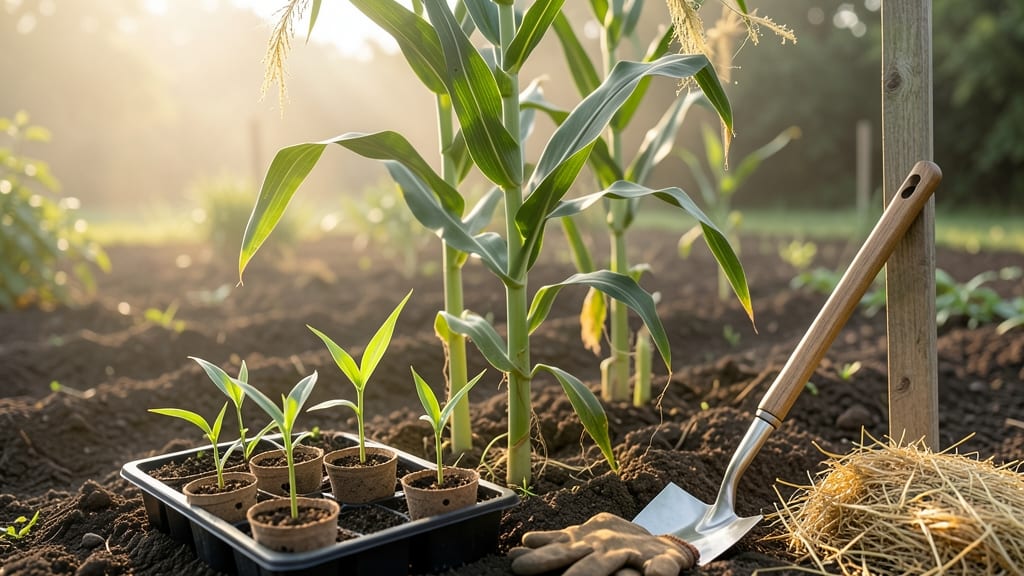
Planting a garden in Iowa at the right time means the difference between a bountiful harvest and a wasted season — and the exact dates depend on whether you’re growing cool-season greens or heat-loving tomatoes.
Iowa’s unpredictable frost dates can make or break your garden 🌱, but there’s a sweet spot between April 15 and May 15 for most spring crops. Too early, and a late frost zaps your seedlings; too late, and you miss peak harvests.
Here’s how to nail the timing for every crop in your zone.
We’ll break down the ideal planting windows for Iowa’s top vegetables, flowers, and perennials, including when to start seeds indoors and when to transplant outdoors. Plus, I’ll share my pro tips for adjusting your schedule if Mother Nature throws a curveball.
By the end, you’ll have a clear, actionable timeline tailored to Iowa’s Zone 4b-5a climate—so you can start planting with confidence and end up with a garden that thrives all season long.
Iowa’s frost dates by region: when to start planting cool and warm season crops
Understanding Iowa’s frost dates is the first step to a thriving garden. In Zone 5b areas like Des Moines and Cedar Rapids, the average last frost typically falls between April 15-30, while northern regions like Sioux City and Mason City can experience frost as late as May 10-20.
These dates create a 165-day growing season in southern Iowa and just 140 days in the north.
Warm-season crops like tomatoes and peppers need soil temperatures above 55°F (13°C) to thrive, while cool-season crops such as lettuce and spinach can handle temperatures as low as 40°F (4°C). Knowing these thresholds helps you avoid frost damage and maximize your harvest.
Here’s a region-by-region breakdown of Iowa’s frost dates and the best times to plant your garden. Use this as your guide to align planting with Iowa State University’s recommended timelines for both cool and warm-season crops.
Microclimates—like south-facing slopes or urban heat islands—can shift frost dates by 1-2 weeks. If you’re near a large body of water or in a low-lying area, expect frost to linger longer. Adjust your planting schedule accordingly to protect tender seedlings.
For cool-season crops, start seeds indoors 4-6 weeks before the last frost date. Hardy varieties like kale and carrots can even be direct-sown as early as March 15 in southern Iowa, while northern areas should wait until April 1.
Warm-season crops, on the other hand, should only go into the ground after the soil warms and all danger of frost has passed. In southern Iowa, this is typically May 1-15, while northern gardeners should wait until May 15-30.
Fall planting is equally critical. Cool-season crops like broccoli and radishes can be sown as early as August 1 in southern Iowa, with a September 15 cutoff for northern regions. The first frost usually arrives between October 1-15, so plan accordingly.
Use row covers or cold frames to extend your growing season by 2-4 weeks in both spring and fall. These tools can protect young plants from unexpected late frosts or early chills, giving you more time to enjoy fresh produce.
Now, let’s dive into the exact frost dates and planting windows for Iowa’s two main regions:
| Region | Last Frost Date | First Frost Date | Cool-Season Planting Window | Warm-Season Planting Window |
|---|---|---|---|---|
| Southern Iowa (Des Moines, Cedar Rapids, Iowa City) | April 15-30 | October 1-15 | March 15 - May 15 | May 1 - June 15 |
| Northern Iowa (Sioux City, Mason City) | May 10-20 | September 25 - October 10 | April 1 - May 10 | May 15 - June 1 |
| Microclimate Adjustments | ± 7-10 days | ± 7-10 days | Extend by 1-2 weeks with row covers | Delay by 1-2 weeks in cold spots |
For cool-season crops, prioritize planting 4-6 weeks before the last frost date. For example, in Des Moines, start spinach seeds indoors by March 1 and transplant outdoors by April 15. In Sioux City, wait until April 15 for indoor starts and May 1 for outdoor planting.
Warm-season crops like beans and squash should wait until 2 weeks after the last frost. In southern Iowa, this means planting by May 15, while northern gardeners should hold off until May 30. Always check soil temperature—warm-season crops need at least 60°F (16°C) to germinate properly.
Fall planting is just as critical. Start broccoli and kale seeds indoors by July 15 in southern Iowa and August 1 in the north. Transplant seedlings outdoors by August 15 (south) or September 1 (north) to ensure a harvest before frost.
Pro tip: Use a soil thermometer to confirm soil temperatures before planting warm-season crops. If temperatures dip below 55°F (13°C), delay planting until conditions improve. This small step can save your seedlings from poor germination and stunted growth.
Remember, Iowa’s weather is unpredictable. Always have backup dates ready in case of late frosts or early chills. With this schedule, you’ll be well on your way to a productive, frost-free garden all season long!
Best planting schedule for Iowa’s top 10 vegetables: exact weeks before/after last frost
Iowa’s Zone 5b climate gives us a short but productive growing season, so timing is everything.
For cool-season crops like lettuce and carrots, I start seeds 4-6 weeks before the last frost—usually by March 15—while warm-season crops like tomatoes and peppers need to wait until soil warms to 60°F+, typically after May 1.
To simplify, I’ve created a planting timeline based on Iowa’s average last frost date of April 15 and first frost date of October 15. This schedule ensures you maximize your harvest while avoiding frost damage. For succession planting, I recommend sowing every 2-3 weeks for continuous yields.
| Vegetable | Planting Time (Weeks Before/After Last Frost) | Soil Temp (°F) | Succession Planting | Harvest Window |
|---|---|---|---|---|
| Corn | After last frost (May 1) | 60°F+ | None | July–September |
| Beans (Bush) | After last frost (May 1) | 60°F+ | Every 2 weeks | July–August |
| Tomatoes | After last frost (May 1) | 60°F+ | Transplant starts | July–September |
| Peppers | After last frost (May 1) | 65°F+ | Transplant starts | August–October |
| Lettuce | 4-6 weeks before last frost (March 15) | 40°F+ | Every 2 weeks | May–June, September–October |
| Carrots | 4-6 weeks before last frost (March 15) | 50°F+ | Every 3 weeks | June–July, September–October |
| Potatoes | 2-3 weeks before last frost (April 1) | 45°F+ | None | July–August |
| Squash | After last frost (May 1) | 60°F+ | None | ★★★★★4.9(3 reviews) |