Planting
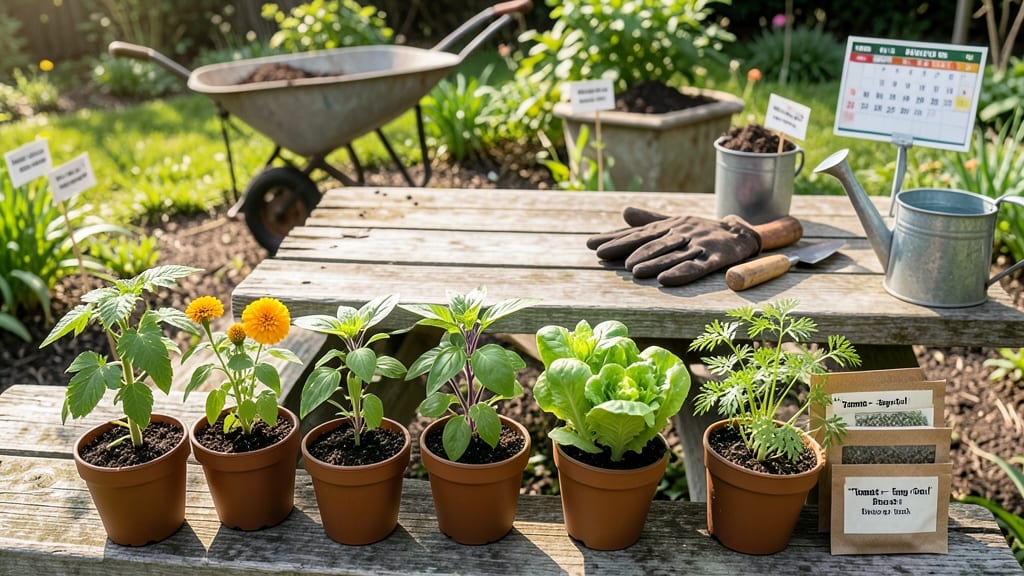
Planting a garden in Kentucky at the right time means the difference between a bumper crop and a sad, frost-nipped failure — and the last spring frost in most of the state lands around April 15.
Picture this: You’ve spent weeks prepping soil, nurturing seedlings, and dreaming of fresh tomatoes by summer — only for a late frost to wipe out everything. It’s a heartbreaking cycle, but with Kentucky’s USDA Zone 6a climate, timing is everything.
Cool-season crops like lettuce and peas thrive when planted 4-6 weeks before that frost date, while warm-season favorites like tomatoes and peppers need to wait until after the danger has passed.
That’s why I’ve broken down the exact planting windows, frost dates, and even how to adjust for early or late freezes.
By the end, you’ll know not just when to plant, but how to stretch your growing season with row covers, choose heat-tolerant varieties, and avoid the most common Kentucky gardening mistakes. Let’s get those 🌱 seeds in the ground the right way.
Kentucky’s exact frost dates and planting windows by season (Zone 6b guide)
Kentucky’s Zone 6b climate delivers 165 frost-free days annually, but those dates can shift yearly. For most of the state, the average last spring frost arrives around April 15, while the first fall frost typically hits October 15.
These windows create your garden’s planting framework, separating cool-season crops from warm-season varieties that need heat to thrive.
Understanding these dates helps you avoid frost damage to tender seedlings or bolting in heat-sensitive greens. For example, spinach and peas planted too late may bolt before harvest, while tomatoes and peppers started too early will wilt when temperatures rise.
Kentucky’s humidity also demands heat-tolerant varieties like ‘Celebrity’ tomatoes or ‘Malabar spinach', which handle the state’s 90°F+ summers better than standard types.
| Season | Planting Window | Cool-Season Crops | Warm-Season Crops | Heat-Tolerant Varieties |
|---|---|---|---|---|
| Early Spring | Feb 15–Mar 31 | Lettuce, Spinach, Peas | N/A (Too Cold) | ‘Winter Density’ Lettuce |
| Late Spring | Apr 1–May 15 | Broccoli, Cabbage, Kale | Tomatoes, Peppers, Cucumbers | ‘Arkansas Traveler’ Tomatoes |
| Summer | May 16–Jul 31 | N/A (Bolting Risk) | Okra, Sweet Potatoes, Eggplant | ‘Clemson Spineless’ Okra |
| Early Fall | Aug 1–Sep 15 | Kale, Radishes, Turnips | N/A (Too Late) | ‘Red Russian’ Kale |
| Late Fall | Sep 16–Oct 15 | Spinach, Garlic, Onions | N/A (Frost Risk) | ‘Music’ Garlic |
Cool-season crops like lettuce and broccoli thrive in Kentucky’s spring and fall, when temperatures hover between 40°F and 75°F. Plant these 4–6 weeks before your last frost date (around March 15–April 1) for a head start.
Use row covers to extend the season into late May if nights dip below 50°F. For warm-season crops, wait until after May 15—soil should be at least 60°F—to avoid blossom-end rot in tomatoes.
Kentucky’s humidity can stress plants, so prioritize disease-resistant varieties
Best month-by-month planting schedule for Kentucky gardens (with frost-proofing tips)
Kentucky’s USDA Zone 6b climate gives us a 165-day growing season, but timing is everything. Plant too early, and frost will nip your seedlings. Plant too late, and you’ll miss peak harvests.
My month-by-month planting calendar ensures you maximize every season—from cool-season greens to heat-loving tomatoes—while protecting tender plants with row covers and cold frames.
This schedule accounts for Kentucky’s average last frost (April 15) and first frost (October 15), but I’ll also show you how to adjust for early or late freezes.
Whether you’re starting seeds indoors or sowing directly, these actionable tips will help you stretch your growing season and avoid common mistakes like bolting lettuce or blight-prone tomatoes.
- 🌱 February-March: Start cool-season seeds indoors (lettuce, spinach, peas) and harden off seedlings by late March.
- 🌿 April (after April 15): Plant warm-season crops outdoors (tomatoes, peppers, cucumbers) and use row covers for early frost protection.
- ☀️ May-June: Sow heat-loving herbs (basil, cilantro) and succession-plant beans and zucchini every 2 weeks.
- 🌻 July-August: Begin fall crops (kale, carrots, broccoli) and transplant late-season tomatoes with cold frames.
- 🍂 September-October: Extend harvests with low tunnels and plant garlic for next year by October 15.
For cool-season crops, I recommend starting seeds indoors in February (6-8 weeks before the last frost) for leafy greens like spinach and kale. These plants thrive in 50-60°F soil, so wait until soil warms slightly in early April to transplant.
Use black plastic mulch to speed up soil warming and protect seedlings from late frosts.
Warm-season crops like tomatoes and peppers need to wait until after the last frost (typically April 15), but you can get a head start by sowing seeds indoors in March.
Harden off seedlings for 1-2 weeks before transplanting. If frost threatens, cover plants with frost cloth or use a mini greenhouse to buy time.
Summer is all about succession planting—sow fast-growing crops like bush beans and radishes every 2 weeks to ensure a continuous harvest. For heat-sensitive herbs like basil, provide afternoon shade during peak summer heat.
In late summer, prepare for fall by sowing broccoli and carrots in July-August—they’ll mature before the first frost.
Don’t let the first frost stop your garden! Use row covers or cold frames to extend harvests well into November. For example, kale and Brussels sprouts taste sweeter after a light frost, so protect them with low tunnels.
Plant garlic in October for a low-maintenance crop that overwinters and produces in spring.
Pro tip: Mark your calendar for September 15—this is the last chance to sow spinach and peas for a fall harvest. After that, focus on cover crops like clover to protect soil health over winter.
With this schedule, you’ll enjoy fresh produce from May through November—and maybe even sneak in a few holiday herbs like rosemary and thyme!