
Planting
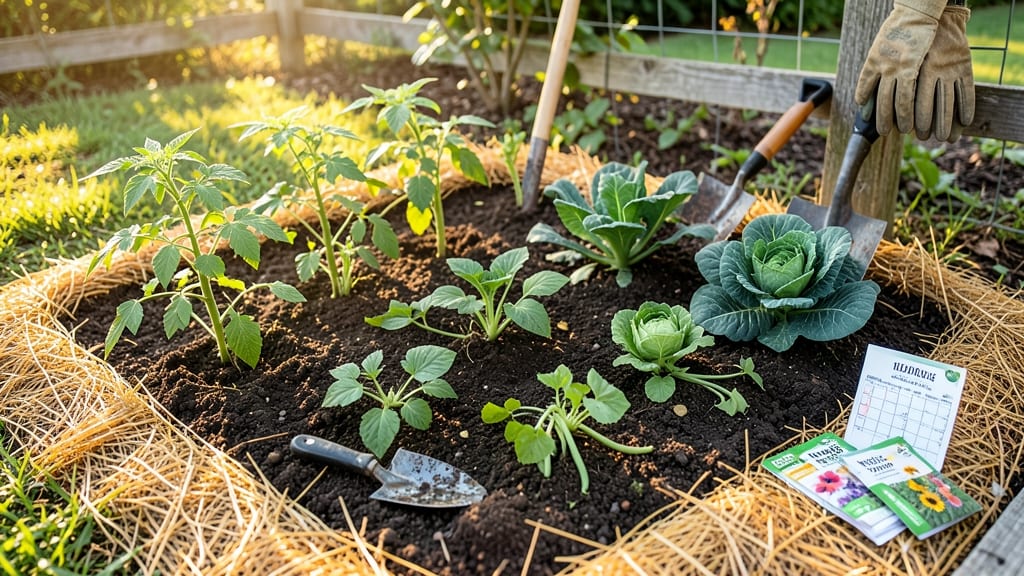
To plant a garden in South Carolina at the right time means catching that narrow window between frost and heat that turns seeds into harvests—not just survival.
South Carolina’s mild winters and humid summers create a gardener’s paradise—but timing your planting wrong can mean wilted dreams instead of a thriving harvest. Knowing the exact frost dates and ideal planting windows for your zone is the difference between a bountiful garden and a sad, half-dead seedling pile.
For Zone 7b-8a, that means starting cool-season crops like kale and spinach as early as late February, while warm-season favorites like tomatoes and peppers wait until after mid-March’s last frost.
Here’s the game-changer: coastal areas (like Charleston) can plant two weeks earlier than the Upstate, thanks to warmer microclimates. But rush it, and a late frost will turn your seedlings into confetti.
I’ll break down the month-by-month schedule, frost-free day math, and how to adjust for your specific corner of the state—so you’re planting when the soil is warm, the air is cooperative, and your garden has the best shot at success.
Ready to stop guessing and start growing? Let’s dive into the perfect planting calendar for your South Carolina garden, where every seed gets the timing it deserves.
South Carolina frost dates by Zone: when to start planting cool-season vs warm-season crops
South Carolina spans USDA Zones 7a through 8a, which means your last frost dates can vary by weeks depending on whether you're in the Upstate mountains (7a), Midlands (7b), or coastal Lowcountry (8a).
For example, my Charleston garden (Zone 8a) typically sees its last frost by March 1st, while Greenville (Zone 7a) might not warm up until March 15th. These differences are critical for knowing when to plant cool-season crops like broccoli or warm-season crops like tomatoes.
Understanding these frost dates isn't just about avoiding frost damage—it's about maximizing your garden's potential. Cool-season crops thrive in cooler temps, while warm-season crops need consistent warmth to grow. Planting too early can stunt growth, and planting too late might leave you with a short harvest window.
The key is using the 10-day rule: Wait 10 days after your average last frost date to plant warm-season crops like peppers or squash, ensuring the soil has warmed enough.
| Zone | Last Frost Date | First Frost Date | Cool-Season Planting Window | Warm-Season Planting Window |
|---|---|---|---|---|
| 7a (Upstate: Greenville, Spartanburg) | Mid-March | Late November | Late February - Early April | Mid-April - Early June |
| 7b (Midlands: Columbia, Florence) | Early March | Early December | Late January - Early April | Early April - Late May |
| 8a (Coastal: Charleston, Hilton Head) | Early March | Mid-December | Late February - Early April | Mid-March - Early June |
For cool-season crops like kale, spinach, and broccoli, you can start seeds indoors 8-10 weeks before your last frost date. In Zone 7a, that means sowing seeds by late January, while Zone 8a gardeners can wait until mid-February.
These crops handle light frosts and can even taste sweeter after a frost, but avoid planting too early—cold, wet soil can stunt seedlings.
Warm-season crops like tomatoes, peppers, and squash need consistent soil temperatures above 60°F. That’s why I always wait until after the 10-day rule—so by mid-April in Zone 7a and early April in Zone 8a.
If you’re eager to start, use black plastic mulch or row covers to warm the soil faster. Just remember: transplants are more forgiving than seeds, so buy young plants from a nursery if you’re unsure about timing.
One of my biggest mistakes was planting tomato seedlings too early in Zone 7b. The soil was warm, but a late-March frost wiped out my entire crop. Since then, I’ve relied on local weather forecasts and the 10-day rule to avoid repeat failures.
For extra protection, I now use frost cloth on young plants until the threat of frost has passed completely.
If you’re planting fall crops, the process works in reverse. Start warm-season crops like okra or sweet potatoes in late June or early July, giving them enough time to mature before the first frost.
For cool-season crops, sow seeds in August for a fall harvest before winter sets in. In Zone 8a, you can even extend the season with hoop houses or cold frames to protect crops like lettuce through December.
Pro tip: Soil temperature matters just as much as air temperature. Use a soil thermometer to check that your soil is at least 60°F for warm-season crops. If it’s cooler, wait a few more days—your plants will thank you with faster growth and higher yields.
I keep mine buried in the garden bed where I plan to plant, and it’s saved me from multiple failed plantings over the years.
Don’t forget about succession planting! In South Carolina’s long growing season, you can often squeeze in two harvests of crops like bush beans or radishes.
For example, I plant my first batch of radishes in early March and my second batch in late August, ensuring a fresh harvest in both spring and fall. This technique maximizes your garden space and keeps your kitchen stocked with homegrown goodness year-round.
Best month-by-month planting schedule for South Carolina gardens: what to sow now
South Carolina’s extended growing season means you can grow almost year-round, but knowing the exact planting windows for each month is key. Whether you’re in the coastal Lowcountry or the Upstate Piedmont, timing your crops right ensures healthy plants and bountiful harvests.
I’ll walk you through what to plant each month, including direct-sowing vs transplanting tips and how to adjust for your specific region.
For coastal areas, start 2-3 weeks earlier than the Piedmont, thanks to milder winters. Meanwhile, Upstate gardeners should wait until after mid-April’s last frost for warm-season crops. Succession planting is also your secret weapon—planting new seeds every 2-3 weeks keeps your harvests coming all season long.
Here’s your month-by-month planting guide, packed with critical deadlines for heat-sensitive crops like okra and melons that refuse to wait for cooler weather.
- February: Start cool-season crops indoors—broccoli, cabbage, and spinach. Coastal gardeners can direct-sow peas and lettuce.
- March: Transplant cool-season crops after last frost (mid-March Upstate, late February coastal). Direct-sow carrots and radishes.
- April: Plant warm-season crops like tomatoes and peppers after soil reaches 60°F. Begin succession planting of beans and cucumbers.
- May: Critical deadline for okra and squash—plant by mid-May to avoid summer heat stress. Start fall crops like kale indoors.
- June: Direct-sow heat-loving crops—sweet potatoes and melons. Coastal areas can extend planting into early July.
- July-August: Plant fall vegetables—broccoli, cauliflower, and turnips. Avoid planting warm-season crops after mid-August.
- September: Last chance for cool-season crops—sow spinach and lettuce for fall harvests. Transplant garlic for next year.
- October-November: Focus on cover crops like clover or rye to protect soil. Coastal areas can plant hardy greens until late October.
Don’t overlook succession planting—it’s how you stretch your harvests. For example, plant bush beans every 2 weeks from April to July to enjoy fresh beans all summer. And for heat-sensitive crops like melons, start seeds indoors in March and transplant after the soil warms to 70°F.
Coastal gardeners have a slight edge with earlier planting for warm-season crops, but Upstate gardeners should wait until soil temperatures consistently stay above 65°F. Use a soil thermometer to check—it’s your best tool for avoiding stunted growth.
Pro tip: Mark your calendar for mid-August—that’s your last chance to plant fall crops like kale and carrots before the days get too short. And if you’re in the Upstate, don’t forget to harden off tender plants in September to prep for cooler nights.