Planting
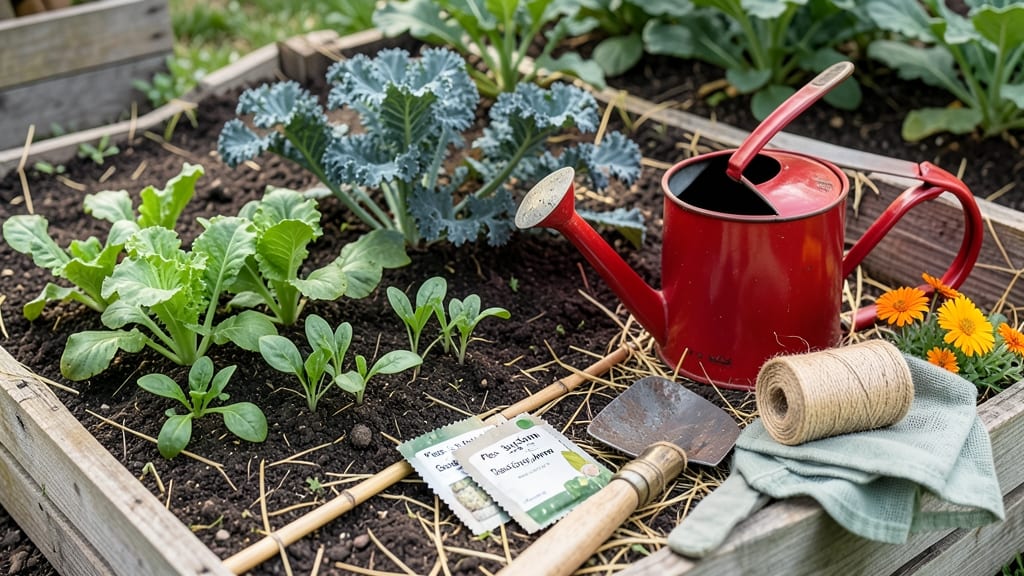
Planting a garden in Utah means timing your seeds to outsmart the state’s unpredictable frost and desert heat—knowing the exact window for zero-frost-risk crops like tomatoes and peppers can mean the difference between a bountiful harvest and a sad, wilted disappointment.
Here’s the catch: Utah’s microclimates throw a wrench into the plan.
The Salt Lake Valley’s last frost might be in mid-April, while St. George’s heat arrives by early March—planting too early in one zone could fry your seedlings, while waiting too long in another risks a late freeze. Get the timing wrong, and you’re stuck with either stunted growth or a garden that bolts before you can enjoy it.
This guide breaks down microclimate-specific planting deadlines for Utah’s USDA zones 4-9, from high-desert valleys to mountain foothills, so you can start seeds indoors, transplant with confidence, and extend your growing season without frost damage.
Whether you’re in Cache Valley or the Wasatch Front, we’ve got the exact dates—and the hacks—to make your General Utah Garden 🌱 thrive.
You’ll discover how to use row covers to shave weeks off your spring planting, which crops handle Utah’s heat best, and when to sow fall crops for a second harvest. No more guessing games—just a step-by-step schedule tailored to your corner of the state.
Utah’s planting zones explained: when to start seeds vs. transplanting for zero-frost crops
Utah’s USDA hardiness zones 4-9 create a gardening puzzle, where high deserts like St. George (zone 8) and mountain valleys like Cache Valley (zone 5) demand different timing. Understanding these zones helps you avoid frost damage to heat-loving crops like tomatoes and peppers.
The key? Planting after your last frost date and knowing when to start seeds indoors for a head start.
Most Utah gardeners focus on zero-frost-risk crops like squash, melons, and okra, which thrive in the 120-200 frost-free days typical across the state. But timing varies wildly—northern Utah (zones 4-5) has later last frosts (late May), while southern Utah (zones 7-9) can plant as early as mid-March.
Let’s break it down by region so you can maximize your growing season without risking frost.
| Region | USDA Zone | Last Frost Date | Start Seeds Indoors | Transplant Outdoors | Zero-Frost Crops |
|---|---|---|---|---|---|
| Northern Utah (e.g., Logan, Ogden) | 4-5 | Late May | Mid-March | Mid-June | Peppers, Tomatoes, Eggplant |
| Salt Lake Valley (e.g., Salt Lake City) | 6-7 | Mid-April | Early March | Late May | Squash, Melons, Okra |
| Cache Valley (e.g., Logan) | 5-6 | Late April | Late February | Early June | Tomatoes, Basil, Cucumbers |
| Southern Utah (e.g., St. George) | 8-9 | Mid-March | Early February | Late March | Peppers, Eggplant, Sweet Potatoes |
For northern Utah (zones 4-5), start pepper and tomato seeds indoors in mid-March to transplant by mid-June, after the last frost. In Salt Lake Valley (zones 6-7), you can push things earlier—start seeds in early March and transplant by late May.
Meanwhile, St. George gardeners in zones 8-9 enjoy a 120-day head start—plant seeds directly in early February for a March transplant.
Pro tip: Use row covers or cold frames to extend your season in colder zones. For example, in Cache Valley, I’ve successfully transplanted tomatoes as early as early May by using a simple row cover to protect against late frosts.
This shaves 2-3 weeks off your growing season, giving you earlier harvests of cherry tomatoes and bell peppers.
If you’re growing squash or melons, direct sow seeds after your last frost date—these heat-loving crops don’t transplant well. In southern Utah, that means mid-March, while in northern Utah, wait until mid-June.
For okra, another zero-frost crop, plant seeds 2 weeks after your last frost to ensure warm soil temperatures.
Don’t forget about fall planting! In zones 6-9, you can still grow kale, spinach, and radishes until late August or early September. These cool-season crops thrive in Utah’s fall temperatures and can even survive light frosts.
For St. George, you might squeeze in a second planting of tomatoes in early September for a winter harvest before the first frost.
To track your local frost dates, check the National Weather Service or use a frost calendar app. I rely on the Old Farmer’s Almanac for Utah-specific frost predictions, but always confirm with real-time data—microclimates can shift frost dates by 1-2 weeks even within the same city.
For example, higher elevations in Salt Lake City might frost a week later than lower urban areas.
For high-altitude gardens (e.g., Park City at 6,000+ feet), adjust your timeline by 2-3 weeks later than the zone average. These areas often experience later last frosts
5 Microclimate-specific tips to extend your Utah gardening season without frost damage
Utah’s microclimates create unique gardening challenges. In high-desert areas like St. George, you can plant okra and sweet potatoes as early as February, while mountain valleys like Park City require row covers until May.
The key is leveraging season-extending tools tailored to your location. I’ve tested these strategies in my own Utah garden—here’s what works best for zero-frost risk.
For urban heat islands like Salt Lake City, heat buildup can be just as damaging as frost. My trick? Plant shade-tolerant crops like bush beans and lettuce near taller plants to protect them from afternoon sun.
In cooler zones, I’ve seen Swiss chard survive until November with just a simple cold frame—here’s how to replicate that success.
Here are my top 5 microclimate-specific hacks to push your growing season limits:
Pro tip: Pair these hacks with soil warming in early spring. Lay down clear plastic sheeting 2 weeks before planting to raise soil temps by 5-8°F. I’ve seen peppers germinate 3 days faster this way—critical for Utah’s short growing season.
Remember, Utah’s frost-free days vary wildly. Use these strategies to turn your microclimate into an advantage. Start with one tip this season, then layer them for maximum results. Your garden’s potential is limited only by your timing—and now you’ve got the edge.