Planting
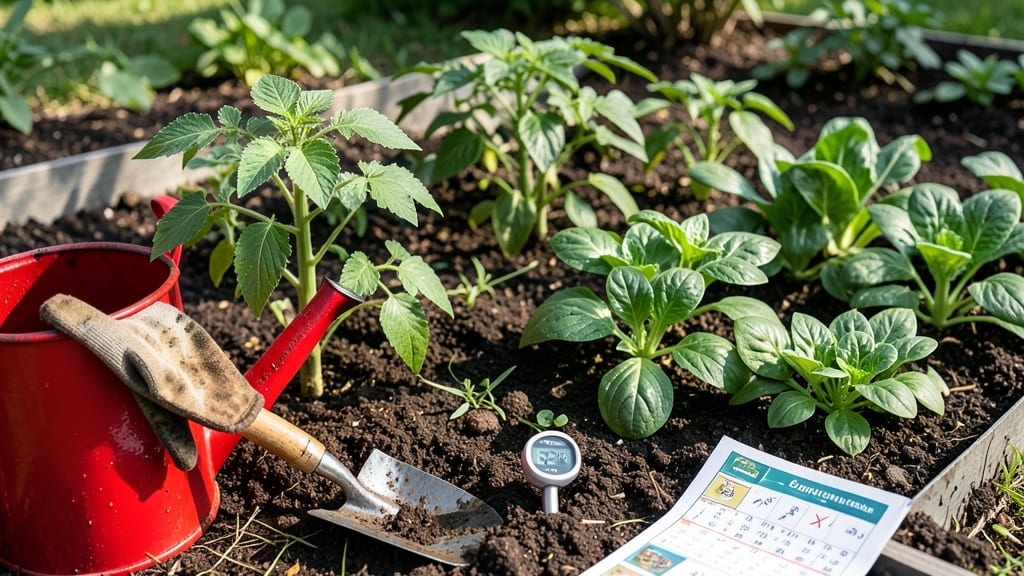
Planting a garden in Virginia means timing your crops to avoid late frosts and take full advantage of the state’s 165–220 frost-free days—but the exact window shifts dramatically from the mountains to the coast.
Picture this: Your neighbor in Roanoke plants tomatoes in early May, while someone on Virginia’s Eastern Shore starts theirs in late April. That’s the kind of regional difference that can turn a bountiful harvest into a gamble.
Without the right dates, you might end up with bolting lettuce or stunted peppers.
Here’s the game-changer: A zone-specific planting calendar that accounts for Virginia’s USDA Zones 6a–8a—from the Piedmont’s shorter season to the Tidewater’s longer growing window. We’ll break down the best months for cool-season crops like spinach and warm-season stars like tomatoes, plus how to stretch your harvest with simple tricks.
Ready to grow more with less guesswork? Let’s dive into the exact dates and strategies that’ll have your 🌱 garden thriving—no matter where in Virginia you’re planting.
Virginia planting zones and frost-free date maps by region
Virginia’s USDA Plant Hardiness Zones 4-8 create a patchwork of growing conditions, from the cooler Appalachian Mountains to the warmer Coastal Plain. Understanding these zones helps you time your plantings perfectly—whether you’re in Richmond’s Zone 7b or Roanoke’s Zone 6b.
The last frost date shifts dramatically across the state, with coastal areas like Norfolk averaging March 15, while higher elevations near Blacksburg may see frost until May 1.
To pinpoint your exact frost-free window, consult the NOAA Climate Data portal or your local Virginia Cooperative Extension office. These resources provide hyper-local frost dates that can vary by 10-14 days even within the same county.
For example, Lynchburg’s Zone 7a typically enjoys a 220-day frost-free season, while Charlottesville’s Zone 7b stretches that to 230 days. This difference means you can grow heat-loving crops like okra in Charlottesville but risk failure in Lynchburg without season-extending tools.
Here’s a quick reference for Virginia’s key regions, including average last frost dates and USDA zones. Use this as your starting point before fine-tuning with local data.
| Region | USDA Zone | Avg. Last Frost Date | Frost-Free Days | Key Cities |
|---|---|---|---|---|
| Coastal Plain | 7b-8a | March 15–April 1 | 220–240 | Norfolk, Virginia Beach, Hampton |
| Piedmont | 6b-7a | April 1–April 15 | 180–200 | Richmond, Charlottesville, Fredericksburg |
| Valley & Ridge | 6a-6b | April 15–May 1 | 165–180 | Roanoke, Lynchburg, Staunton |
| Blue Ridge Mountains | 5b-6a | May 1–May 15 | 140–165 | Blacksburg, Abingdon, Big Stone Gap |
For warm-season crops like tomatoes and peppers, plant 2–3 weeks after your last frost date to avoid transplant shock.
In Zone 7b (Charlottesville), this means mid-April, while Zone 5b (Big Stone Gap) gardeners should wait until early May. Cool-season crops like lettuce and spinach can handle lighter frosts, so sow them 4–6 weeks before your last frost—as early as February in Norfolk but not until March in the mountains.
Microclimates play a huge role in Virginia’s gardening success. A south-facing slope in Roanoke might warm up 1–2 weeks earlier than the valley floor, while a low-lying area in Richmond could experience frost 10 days later than nearby hills.
Use these microclimate clues to adjust your planting: warmer microclimates allow earlier starts, while cooler spots may need row covers or cold frames for delicate plants.
To find your exact frost dates, visit the NOAA Climate Data website and search for your county’s 30-year average frost dates. Alternatively, your local Virginia Cooperative Extension office offers free soil tests and gardening guides tailored to your specific ZIP code.
For example, Fairfax County (Zone 7a) might recommend planting cold-hardy kale in February, while Lee County (Zone 6b) would wait until March to avoid frost damage.
Pro tip: Bookmark the Virginia Garden Guide from the Virginia Department of Agriculture, which includes interactive maps and county-specific planting calendars.
This tool helps you align your seed starting indoors with outdoor transplant dates, ensuring your tomato seedlings are ready to hit the soil when the coast is clear of frost.
For instance, if your last frost is April 10, start tomato seeds indoors on February 20 to give them enough time to mature before transplanting.
Don’t forget to account for first frost dates when planning fall crops. Coastal Virginia (Zone 8a) can extend growing into November, while the mountains (Zone 5b) may see frost by October 15. Plant fast-maturing varieties like bush beans or radishes in
Best crops to plant by month in Virginia’s climate zones
Virginia’s diverse climate zones—from the cooler Blue Ridge Mountains to the warmer Tidewater region—create a patchwork of planting opportunities. While coastal areas like Norfolk enjoy longer frost-free seasons, the Piedmont’s Roanoke faces earlier freezes.
The key? Aligning your cool-season crops with spring’s last frost and warm-season plants with summer’s heat. Let’s break it down month by month for maximum harvest success.
For cool-season crops like lettuce, broccoli, and spinach, timing is everything. These hardy vegetables thrive in 50–60°F soil and can handle light frosts. Plant them 4–6 weeks before your last frost date, which ranges from late March in coastal zones to early May in the mountains.
Meanwhile, warm-season crops such as tomatoes, peppers, and squash need soil temperatures above 60°F and should wait until 2–3 weeks after your last frost—typically mid-April to early June, depending on your region.
- March: Start cool-season crops indoors (lettuce, kale) or direct-sow peas and spinach in Zone 7b+. Coastal areas can plant onions and garlic.
- April: Plant broccoli, cabbage, and carrots as soon as soil warms. In Zone 6a, wait until late April for tomato and pepper starts indoors.
- May: Transplant tomatoes, peppers, and squash after last frost. Direct-sow beans, corn, and cucumbers in Zone 8a+.
- June: Succession plant bush beans and zucchini. Start fall crops (kale, spinach) indoors for late-summer transplanting.
- July: Plant late-season tomatoes (heat-tolerant varieties) and green onions. Begin cool-season prep (soil amendments).
- August: Direct-sow spinach, lettuce, and radishes for fall harvests. Transplant broccoli and cabbage in Zone 7b+.
- September: Plant garlic and onions for next year. Extend warm-season crops with row covers.
In March, focus on early cool-season crops like peas and spinach, which tolerate light frosts. Coastal gardeners in Zone 8a can even direct-sow onions and garlic this month.
Meanwhile, those in Zone 6a should wait until late March or April to avoid frost damage. April is prime time for broccoli, cabbage, and carrots, while tomato and pepper starts can finally go outdoors after hardening off.
By May, the real action begins for warm-season crops. Transplant tomatoes, peppers, and squash into well-draining soil and mulch heavily to retain moisture. June is all about succession planting: Sow bush beans and zucchini every 2 weeks to stretch your harvest.
This is also the time to start fall crops indoors, like kale and spinach, for late-summer transplanting.
Don’t overlook July and August—these months offer second chances for gardeners. Plant heat-tolerant tomato varieties like ‘Solar Fire’ or ‘Heatmaster’ and direct-sow spinach and lettuce for fall harvests. September is your last call for garlic and onions, which need 60+ days to mature before winter.
Use row covers to extend the season for peppers and tomatoes in cooler zones.
Pro tip: Use Virginia Cooperative Extension’s frost date maps to pinpoint your exact last frost date. For example, Norfolk’s last frost averages March 15, while Roanoke’s is April 15.
Adjust your planting schedule accordingly to avoid frost damage or bolting greens. With these month-by-month guidelines, you’ll turn Virginia’s climate challenges into harvest victories!