Planting
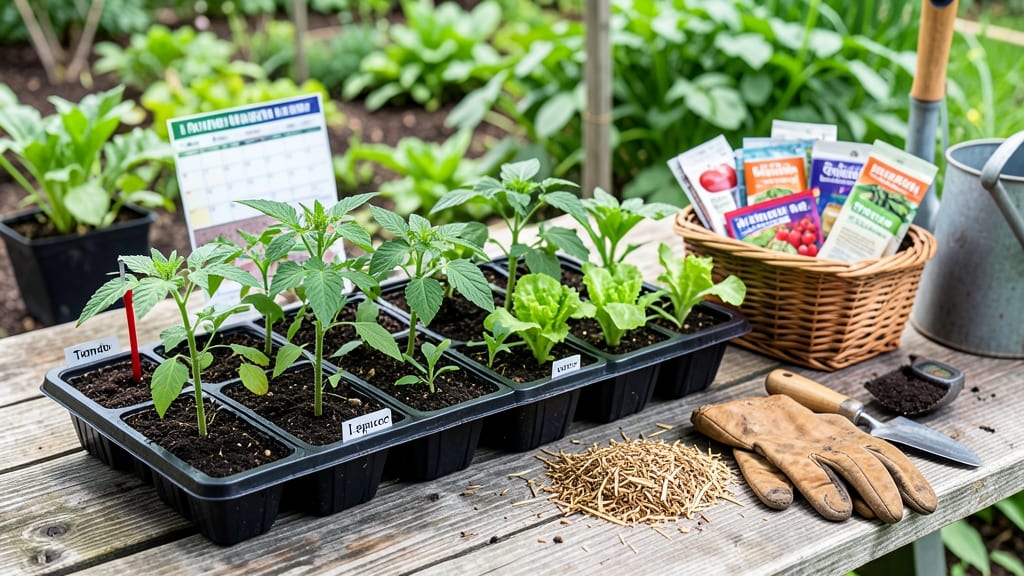
To plant a vegetable garden in Virginia, aim for March–April for cool-season crops and May–June for warm-season varieties—timing that dodges frost while maximizing harvests.
Virginia’s mild winters and long summers make it a gardener’s dream, but one wrong move with frost dates can turn your 🥕 dreams into a sad pile of wilted seedlings.
Whether you’re in the cooler 6a zones or the warmer 8a areas, knowing exactly when to start seeds, transplant, and succession-plant is the difference between a bumper crop and a backyard disappointment.
This guide breaks down Virginia’s frost-free deadlines by crop type, so you’ll know when to plant everything from spinach to tomatoes—plus how to stretch your season with row covers and mulch.
No more guessing whether your zucchini will survive a late April chill or if your lettuce will bolt in July.
Ready to dig in? I’ll walk you through the step-by-step schedule for Virginia’s most popular veggies, plus pro tips to avoid common timing mistakes that even experienced gardeners make.
Virginia’s frost zones & last frost date deadlines by region
Virginia spans USDA Hardiness Zones 5a through 8a, creating microclimates that dramatically impact when you can plant your vegetable garden. The last spring frost varies by region—from early March in the Tidewater (Zone 8a) to late April in the mountains (Zone 5a).
These deadlines separate success from failure for your cool-season crops like broccoli and warm-season crops like tomatoes.
Understanding these frost-free windows helps you avoid late-season frost damage while maximizing your harvest. For example, Richmond (Zone 7b) typically sees its last frost around March 25, while Roanoke (Zone 6b) waits until April 10.
These dates are your planting timeline anchors—miss them, and your seedlings could become frost casualties.
Here’s how Virginia’s 5 major frost zones break down with their average last frost dates and what they mean for your garden:
| Region | USDA Zone | Avg. Last Frost | Cool-Season Planting Window | Warm-Season Planting Window |
|---|---|---|---|---|
| Norfolk/Tidewater | 8a | March 10-15 | Feb 15 - Mar 15 | Apr 1 - Apr 15 |
| Richmond | 7b | March 25 | Feb 20 - Mar 25 | Apr 10 - Apr 25 |
| Roanoke | 6b | April 10 | Mar 1 - Apr 10 | May 1 - May 10 |
| Blacksburg | 6a | April 15 | Mar 10 - Apr 15 | May 10 - May 20 |
| Mountains (e.g., Bristol) | 5a | April 25 | Mar 15 - Apr 25 | May 20 - Jun 1 |
These dates are your garden’s lifeline. For cool-season crops like lettuce and peas, plant 4-6 weeks before your region’s last frost to ensure they mature before summer heat. For warm-season crops like peppers and cucumbers, wait 2-3 weeks after the last frost to avoid chilling injury.
For example, in Zone 7b (Richmond), I start spinach and kale in early February under row covers to beat the March 25 deadline. Meanwhile, I hold off on tomato seedlings until mid-April to avoid frost shock. This strategic timing ensures my garden thrives year-round.
Even within a single zone, microclimates matter. A south-facing slope warms up faster than a low-lying valley, potentially pushing your planting window 1-2 weeks earlier. Pay attention to local frost pockets—these can delay your last frost by 5-7 days.
Don’t forget the first frost dates in fall! These typically range from November 15 (Zone 8a) to October 20 (Zone 5a). Plant fall crops like radishes and carrots in early August to harvest before the first freeze.
Use mulch or row covers to extend this window by 2-4 weeks.
Pro tip: Check the Virginia Cooperative Extension’s frost maps annually—they update based on climate trends. A warmer-than-average spring might shift your last frost date 10 days earlier
Best planting schedule for Virginia vegetables: cool-season vs. warm-season crops
Virginia’s cool-season crops like lettuce and broccoli thrive in spring and fall, while warm-season favorites such as tomatoes and peppers need warm soil to germinate. The key is planting 4-6 weeks before your last frost for cool-season crops and 2-3 weeks after for warm-season varieties.
For example, in Richmond (Zone 7b), that means starting spinach in March and tomatoes in late April.
Use this month-by-month guide to align your planting with Virginia’s frost-free windows and succession planting for continuous harvests. Whether you’re a beginner or a seasoned gardener, these exact deadlines will help you avoid common mistakes like bolting lettuce or frost-bitten peppers.
Here’s how to time it perfectly for Virginia’s top 15 vegetables, including when to start seeds indoors, transplant seedlings, and sow directly in the garden. I’ve also included fall planting windows to maximize your harvest before the first frost.