
Planting
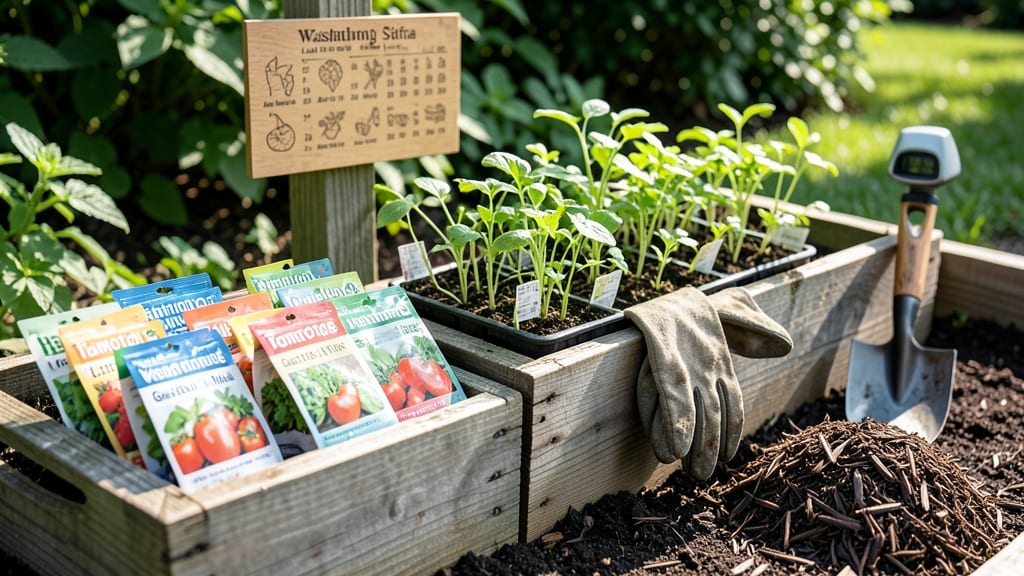
Planting a garden in Washington State at the right time means the difference between a thriving harvest and a sad, frost-nipped failure.
Washington’s climate is a puzzle—coastal areas stay damp and mild, while inland zones swing from freezing springs to scorching summers. Miss the frost-free window, and your seedlings could face a chilly fate. Here’s your zone-by-zone, crop-specific planting calendar to maximize yields and avoid common mistakes.
Whether you’re in Seattle’s Zone 8, Spokane’s Zone 5b, or Yakima’s Zone 6, timing is everything. Cool-season crops like spinach and peas love early spring, while tomatoes and peppers need to wait until after the last frost—usually mid-May for most of the state.
But don’t guess: below, we break down the exact deadlines by region and crop type.
You’ll learn how to start seeds indoors, when to direct-sow outdoors, and which microclimates (like urban heat islands) can give you an extra two weeks of growing time. Let’s get those General Garden Plants 🌱 in the ground at the perfect moment.
Washington State planting zones & frost-free deadlines by region
Washington State spans USDA Hardiness Zones 6-9, creating wildly different planting conditions from the cool, damp Puget Sound to the hot, dry Columbia Basin.
Understanding your last frost dates and microclimates is key—planting tomatoes too early in Zone 6 Spokane (risking frost) or waiting too long in Zone 8 Yakima (missing peak heat) can ruin your harvest.
Here’s your region-by-region breakdown of frost-free deadlines and ideal planting windows for warm-season (tomatoes, peppers) and cool-season (spinach, carrots) crops.
First, check your USDA Zone (most of WA falls in 6-8, with pockets of 9a in Yakima). The Puget Sound (Seattle, Bellingham) averages Zone 8, while Eastern WA (Spokane, Wenatchee) drops to Zone 6-7. Coastal areas (Olympia, Aberdeen) stay milder, with longer growing seasons than inland spots.
Use these frost-free dates as your planting guide:
📅 Last Frost Dates by Region:
- Western WA (Seattle, Olympia): March 15–April 1
- Coastal (Bellingham, Aberdeen): March 1–March 15
- Eastern WA (Spokane, Wenatchee): May 1–May 15
- Yakima/Columbia Basin (Zone 8+): April 15–May 1
Now, let’s dive into actionable planting windows for your garden. The table below breaks down when to plant based on your zone and crop type, so you can avoid frost damage and maximize yields.
For warm-season crops (like tomatoes and peppers), wait until after your last frost date—but don’t delay too long, or your plants won’t mature before fall frost.
🌱 Pro Tip: Use row covers or greenhouses in Zone 6-7 to extend your growing season for cool-season crops like lettuce and peas. In Zone 8-9, focus on heat-loving plants like okra and sweet potatoes, which thrive in Yakima’s long, hot summers.
| Region & Zone | Last Frost Date | Cool-Season Crops (Spinach, Carrots, Peas) | Warm-Season Crops (Tomatoes, Peppers, Basil) | Fall Planting Window |
|---|---|---|---|---|
| Western WA (Seattle, Olympia) - Zone 8 | March 15–April 1 | March–April (direct sow) or start indoors Feb | April 15–May 15 (after last frost) | August 1–September 15 |
| Coastal WA (Bellingham, Aberdeen) - Zone 8-9 | March 1–March 15 | February–March (longer season) | March 20–April 30 (earlier than inland) | August 15–October 1 (milder winters) |
| Eastern WA (Spokane, Wenatchee) - Zone 6-7 | May 1–May 15 | April (use row covers for earlier starts) | May 20–June 1 (wait for soil warmth) | July 15–August 15 (short season) |
| Yakima/Columbia Basin - Zone 8-9 | April 15–May 1 | March–April (cool nights) | April 30–May 15 (hot summers ideal) | August 1–September 30 (long harvest) |
For cool-season crops like spinach, carrots, and kale, plant 4–6 weeks before your last frost date in Western WA or 6–8 weeks before in Eastern WA.
In Zone 8-9, you can even sow fall crops in August for a winter harvest. Peas and lettuce are especially resilient and can handle light frosts, making them great for early spring or late fall.
Warm-season crops (tomatoes, peppers, cucumbers) need warmer soil—aim to plant 2–3 weeks after your last frost when soil temps hit 50°F+. In Eastern WA, this might mean waiting until late May or June to avoid frost damage. Basil and okra thrive in Zone 8-9 and can be planted as early as April in Yakima, but wait until May in cooler zones.
Fall planting is a game-changer in WA. In Western WA, you can sow carrots and spinach until September, while Eastern WA gardeners should wrap up by mid-August. Brassicas (kale, cabbage) are cold-hardy and can even overwinter in Zone 8-9. Use mulch to protect roots from early frosts in October.
Microclimates matter! Urban areas like Seattle can be 5–10°F warmer than rural zones due to concrete and buildings. If you’re in a sunny microclimate, push your warm-season planting dates 1–2 weeks earlier. Conversely, shady or low-lying spots may need row covers for extra protection.
🌡️ Soil temperature is your secret weapon. Use a soil thermometer—most warm-season crops need 60°F+ soil to thrive. In Eastern WA, this might mean waiting until June for tomatoes
Best planting times for Washington’s top 10 vegetables & herbs
Washington’s diverse microclimates mean your potatoes and basil thrive at different times depending on your USDA zone. In Zone 6 (eastern WA), plant spinach as early as February, while Zone 8 (Yakima Valley) gardeners can start tomatoes in April without frost risk.
Timing isn’t just about months—it’s about soil temperature, too. For example, zucchini needs 60°F soil to germinate, which often means waiting until May in cooler regions.
Herbs like cilantro bolt in summer heat, so I plant mine in early spring (March-April) or late summer (August-September) for a second harvest. Meanwhile, basil loves the long days of July and can’t handle frost, making it a late-spring staple.
For potatoes, I’ve found spring planting (March-April) works best in Zone 7, but fall planting (August) extends harvests in Zone 8.
Here’s your month-by-month guide for Washington’s top crops, tailored to Zones 6-9:
- 🌿 Early Spring (March-April): Plant potatoes, peas, spinach, cilantro, and kale in Zone 6-7. Start tomato and pepper seeds indoors for Zone 8-9.
- ☀️ Late Spring (May-June): Direct-sow zucchini, cucumbers, beans, and basil after last frost. Transplant tomatoes and peppers outdoors in Zone 6-7.
- 🌞 Summer (July-August): Sow basil, dill, and fall crops like carrots and radishes. Harvest zucchini and cucumbers aggressively to encourage production.
- 🍂 Fall (September-October): Plant garlic (October), onions, lettuce, and broccoli. Extend potato harvests in Zone 8 with late-summer planting.
For Zone 8+ gardeners, heat-tolerant varieties like ‘Heatmaster’ tomatoes or ‘Lemon Cucumber’ can handle July’s scorching Yakima Valley temps. In contrast, Zone 6 growers should stick to cold-hardy options like ‘Ruby Streak’ beans or ‘Winterbor’ kale, which survive light frosts.
I’ve also had success with interplanting: Sow radishes (30-day harvest) between slow-growing broccoli to maximize space.
Don’t forget herbs! Basil needs consistent warmth, so I wait until mid-July in Zone 7 to avoid flowering (which turns leaves bitter). Cilantro, however, bolts in 60°F+ soil, so I plant it in March or September.
For potatoes, I’ve found ‘Yukon Gold’ performs best when planted in early spring (March) for a summer harvest, while ‘Red Pontiac’ stores well for fall/winter eating.
Timing also depends on soil prep. In clay-heavy Eastern WA, I add compost in fall to warm soils faster for spring planting. Coastal gardeners in Zone 8 can start warm-season crops earlier due to milder winters.
Always check soil temperature with a thermometer—50°F+ is ideal for most veggies.
Missed a planting window? No problem! Fall crops like spinach and garlic thrive in cool September soil. And if you’re in Zone 9, you can even plant basil in October for a winter-green harvest under row covers.
The key is adapting to your local microclimate—whether that’s a sunny urban patio or a shady woodland edge.