Planting
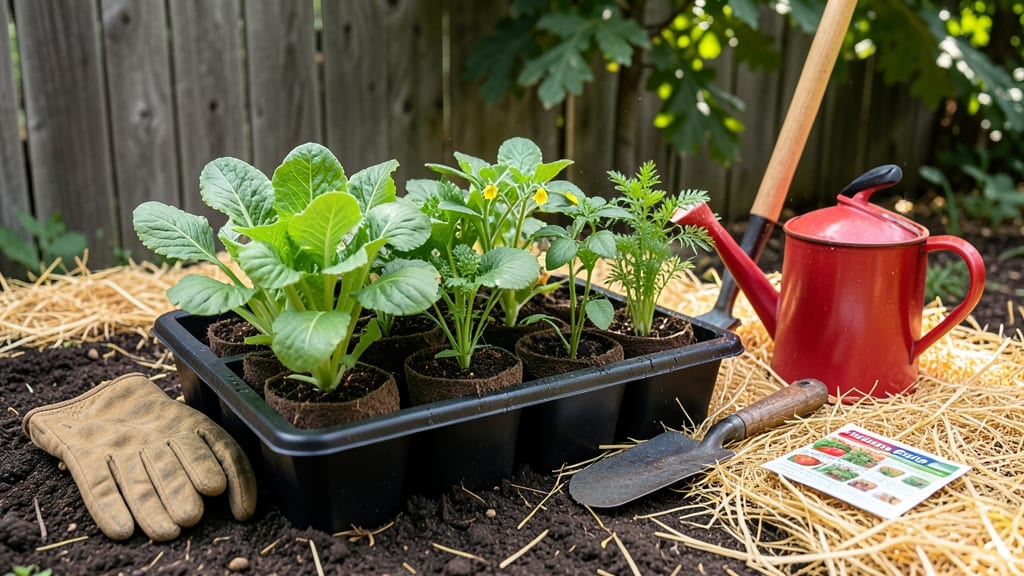
Planting a vegetable garden in North Carolina at the right time means the difference between a bountiful harvest and a frustrating loss 🌱—and the window is narrower than you might think.
North Carolina’s diverse climate—from the mountains to the coast—means your vegetable garden’s success hinges on planting at the perfect time. Get it wrong, and you’ll battle frost, heat stress, or stunted growth. But follow the right frost-free timeline, and you’ll harvest tomatoes, greens, and more like a pro.
Cool-season crops like lettuce and broccoli need to hit the soil as early as February in the Coastal Plain, while warm-season favorites like tomatoes and peppers wait until after the last frost—typically mid-April in the Piedmont or May in the mountains.
Missing these dates can leave your plants struggling or worse, wiped out.
In this guide, I’ll break down the exact planting windows by zone, share succession planting tricks to keep your garden productive all season, and point you to NC State Extension resources for local insights. No more guessing—just a foolproof plan for your best harvest yet.
North Carolina planting zones & frost dates: your 2024 timeline by region
North Carolina spans 7 USDA planting zones (5A to 8B), creating wildly different frost timelines from the mountains to the coast. In Zone 5A (western NC), you’ll face late spring frosts until May 15, while Zone 8A (coastal areas) enjoys frost-free growing until November 15.
Understanding these dates ensures you plant cool-season crops early enough and warm-season crops late enough to thrive.
Your planting window depends on whether you’re growing cool-season crops like lettuce or warm-season crops like tomatoes. For example, in Zone 6B, you can start spinach as early as February 15, but tomatoes won’t tolerate frost and must wait until April 15.
Meanwhile, Zone 7B gardeners can plant peppers by March 15—two months earlier than their mountain counterparts.
Here’s your 2024 NC frost timeline broken down by zone, including last frost dates (when it’s safe to plant frost-sensitive crops) and first frost warnings (when to harvest or protect plants). Use this as your garden planning calendar to maximize yields.
In Zone 5A, where frost lingers late, focus on early spring crops like peas and spinach by February 15. These cool-loving plants thrive in 40–50°F soil and can handle light frost.
Meanwhile, warm-season crops like tomatoes and peppers won’t tolerate frost, so wait until May 1—after the last frost date—to transplant seedlings. Use row covers for extra protection if planting earlier.
For Zone 8A, where mild winters allow year-round gardening, you can plant warm-season crops like tomatoes as early as January 15. This zone’s longer growing season lets you enjoy two harvests of sweet potatoes—one in summer and another in fall.
Even cool-season crops like lettuce can be sown in December for a winter harvest before the rare frost in January.
If you’re
Best vegetables to plant in NC by season: cool vs. warm crops
North Carolina’s spring and fall seasons are perfect for cool-season crops like lettuce and spinach, while summer’s heat demands heat-loving plants such as okra and sweet potatoes. The key? Matching your crops to the right temperature and planting window for maximum yield.
Cool-season crops thrive when soil temps stay below 75°F, while warm-season varieties need consistent warmth to germinate and grow. In NC, this means starting cool crops as early as February in the Coastal Plain or waiting until April-May in the mountains.
Warm crops, on the other hand, can’t tolerate frost and must wait until after the last frost date—usually mid-April in the Piedmont.
- 🌱 Spring (Feb-Apr): Plant cool-season crops like lettuce, peas, broccoli, and spinach—they’ll bolt in summer heat. Use row covers for early starts.
- ☀️ Summer (May-July): Warm up with tomatoes, peppers, okra, and sweet potatoes. Mulch heavily to retain moisture and prevent soil-borne diseases.
- 🍂 Fall (Aug-Oct): Replant cool-season crops like kale, carrots, and radishes for a late harvest. Succession plant every 2-3 weeks for continuous yields.
- ✂️ Succession Planting Tip: Sow bush beans every 2 weeks from May to July for a steady harvest. Replace bolted greens with cold-hardy varieties like collards in fall.
For continuous harvests, practice succession planting. For example, sow radishes every 2 weeks from March to September—they mature in just 30 days! Similarly, bush beans and lettuce benefit from staggered plantings to keep your kitchen stocked.
Heat-tolerant varieties like ‘Heatmaster’ okra or ‘Georgia Jet’ sweet potatoes are game-changers in NC’s hot summers. These varieties thrive when temps soar, while ‘Winterbor’ kale or ‘Sugar Snap’ peas handle cooler temps like champs.
Always check seed packets for days to maturity to align harvests with your region’s frost dates.
Pro tip: Use NC State Extension’s Plant Tool to input your zip code and get hyper-local planting advice. It’s a lifesaver for adjusting to microclimates—like a sunny backyard vs. a shady corner—that can shift planting windows by weeks.
Remember, soil temperature matters just as much as air temperature. Use a soil thermometer to ensure seeds get planted when the ground is at least 60°F for warm crops or below 70°F for cool-season varieties.
With the right timing, your NC garden can produce year-round harvests—even in the heat! 🌿