Planting
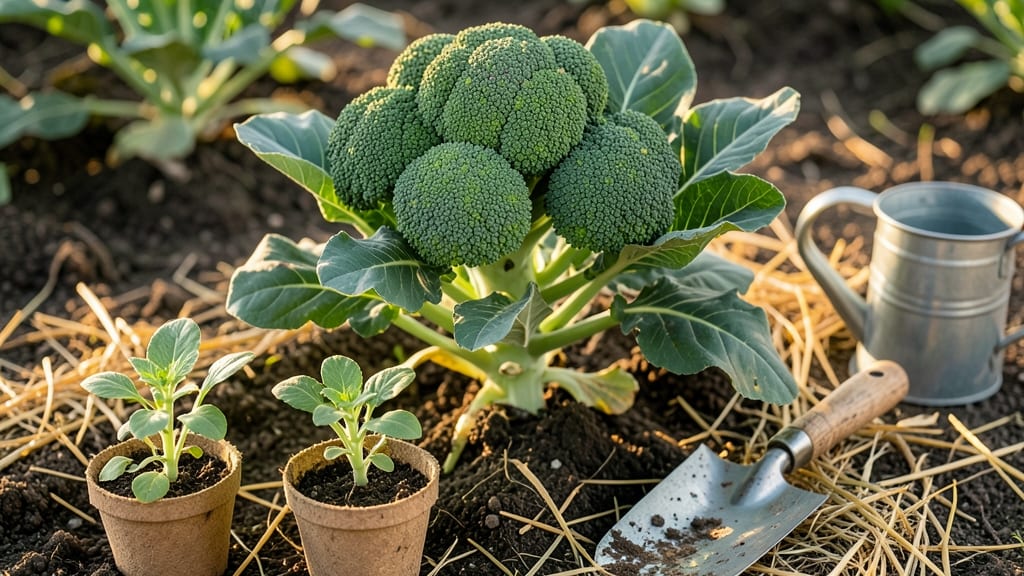
Planting your fall garden in North Texas 4-6 weeks before the first frost is the key to a bountiful harvest—miss that window, and you risk stunted growth or frost damage.
North Texas gardeners know timing is everything—plant your 🥬 fall garden too early, and the heat will kill your seedlings; too late, and frost will ruin your harvest. But with the right schedule, you can enjoy fresh vegetables well into winter.
In USDA Zone 8a, where average first frost hits around November 15, your planting window opens in August for heat-tolerant crops like okra and sweet potatoes, shifting to September-October for greens and root vegetables.
Below, I break down the exact planting dates by crop type, soil prep tips to beat Texas’ erratic fall weather, and how to stretch your harvest through December with simple adjustments.
North Texas fall planting calendar: exact dates by crop type
North Texas’ USDA Zone 8a/8b climate demands precision when planting fall gardens. The average first frost date falls around November 15, but soil temperatures must also align—most cool-season crops thrive when soil stays below 75°F.
Start planning now, because late August is your first window for heat-tolerant varieties like okra or sweet potatoes, while leafy greens need cooler September soil.
For optimal harvests, time your plantings based on maturity dates. Early-season crops like radishes (30 days) can go in as early as mid-August, while broccoli (60-90 days) needs late August to early September starts. Spinach and kale, which handle light frosts, should wait until September 15 or later.
Use this calendar to avoid bolting from heat stress or freeze damage from early cold snaps.
Pro Tip: Check soil temps with a soil thermometer—ideal ranges are 60-70°F for most cool-season veggies. If your soil runs hotter, opt for shade cloth or drip irrigation to cool roots. Remember, North Texas’ September heatwaves can still linger, so don’t rush into planting delicate greens until temps consistently drop below 85°F.
| Crop Type | Planting Window | Days to Maturity | Soil Temp Threshold | Notes |
|---|---|---|---|---|
| Leafy Greens (Lettuce, Spinach, Kale) | September 15 - October 15 | 30-60 days | 60-70°F | Bolt-resistant varieties preferred; harvest before hard frost |
| Brassicas (Broccoli, Cabbage, Cauliflower) | August 15 - September 10 | 60-90 days | 65-75°F | Start indoors for head crops; use row covers for frost protection |
| Root Crops (Carrots, Beets, Radishes) | August 1 - September 30 | 25-70 days | 55-70°F | Loosen soil to prevent forking; radishes tolerate light frost |
| Peas & Beans (Green Peas, Bush Beans) | September 1 - October 5 | 50-70 days | 60-75°F | Trellis beans for space-saving; peas thrive in cool soil |
| Alliums (Onions, Garlic, Leeks) | September 1 - October 10 | 90-120 days | 60-70°F | Plant sets (not seeds) for faster harvest; mulch heavily |
| Late Season (Okra, Sweet Potatoes) | August 1 - August 31 | 90-150 days | 70-85°F | Heat-loving crops; harvest before first frost |
Your late August plantings should focus on fast-maturing crops like radishes or turnips, which can handle the lingering summer heat.
For broccoli and cabbage, start seeds indoors in late July and transplant mid-August to give them time to establish before cooler weather arrives. Carrots and beets planted in early September will have time to mature before winter sets in.
By mid-September, shift to leafy greens and peas, which thrive in cooler temps. These crops can even survive light frosts, adding sweetness to their flavor. Use succession planting for lettuce and spinach—sow new seeds every 2 weeks until October 15 to ensure a continuous harvest.
Avoid planting tomatoes or peppers after August 15, as they won’t mature before frost.
For extended harvests, consider row covers or cold frames to protect crops like kale and collards through December. These hardy greens actually sweeten with frost, making them perfect for winter salads.
If you’re new to fall gardening, prioritize easy-to-grow crops like bush beans or radishes—they’re forgiving and fast
How to adjust your fall planting schedule for North Texas weather quirks
North Texas’ fall weather is famously unpredictable—one day it’s 90°F with a heatwave, the next you’re waking up to 40°F temperatures. These swings can derail even the most careful gardener’s plans.
The key to success? Flexibility. I’ve learned to adjust my planting schedule based on soil temperatures, microclimates, and real-time weather forecasts instead of relying on a rigid calendar.
Urban areas like Dallas often experience urban heat islands, where pavement holds onto heat long after rural areas cool down. Meanwhile, rural spots in Collin County or Denton County might see frost earlier.
That’s why I always check my local frost-free date calculator from the Texas A&M AgriLife Extension—it accounts for these variations. For most of North Texas, the average first frost hits around November 15, but your exact date could be weeks earlier or later.
Here’s the critical adjustment I make: I start heat-tolerant crops like okra and sweet potatoes in early August, even if it’s still hot. These plants can handle the heat better than leafy greens or broccoli.
Then, as temperatures drop in September, I shift to cooler-season crops. But if a late-summer heatwave hits in early October, I delay planting spinach or kale until the soil cools below 80°F.
Your fall planting schedule isn’t set in stone. Here’s what to watch for:
- September heatwaves: Soil temps can stay above 85°F even when air temps drop. Wait until evening soil temps fall below 80°F before planting cool-season crops.
- Unpredictable rain: Heavy rains in October can delay planting or cause soil compaction. Amend clay soil with compost or sand to improve drainage.
- Microclimates matter: A north-facing garden stays cooler than a south-facing one. Use this to your advantage—plant heat-sensitive crops on the north side.
Pro Tip: Use a soil thermometer ($10 at garden centers) to check temps at 6 inches deep—this is the real indicator, not air temperature. Ideal soil temps for fall planting are 60–75°F.
Another trick I swear by is succession planting. Instead of planting all my lettuce or radishes at once, I stagger them every 2 weeks from September through October. This ensures a steady harvest and spreads out the risk if an early frost hits.
For example, I’ll plant a batch of ‘Winter Density’ lettuce on September 15, another on October 1, and a final batch on October 15. That way, even if frost hits early, I still get multiple harvests.
Watering becomes trickier in fall, too. While summer demands daily deep watering, fall’s erratic rain means I need to monitor soil moisture closely. I’ve switched to drip irrigation for my fall garden—it delivers water directly to the roots and reduces evaporation.
Plus, it’s easier to adjust the schedule based on weekly rainfall. Aim for 1–2 inches of water per week, but check the soil with your finger. If the top 1–2 inches are dry, it’s time to water.
Finally, don’t forget about row covers. These lightweight fabrics (like frost blankets) can extend your harvest by 2–4 weeks by protecting plants from light frosts (28–32°F).
I use them on spinach, kale, and broccoli in late October, and they’ve saved my garden from surprise frost more times than I can count. Just remember to remove them during the day to let sunlight in—plants need that energy to keep growing!
With these adjustments, you can turn North Texas’ quirky fall weather into an advantage. Start with heat-tolerant crops, use a soil thermometer, and plant in successions.
Before you know it, you’ll be harvesting fresh 🥬 greens and 🥕 root vegetables well into December—even when your neighbors are scrambling to cover their gardens from frost.