
Planting
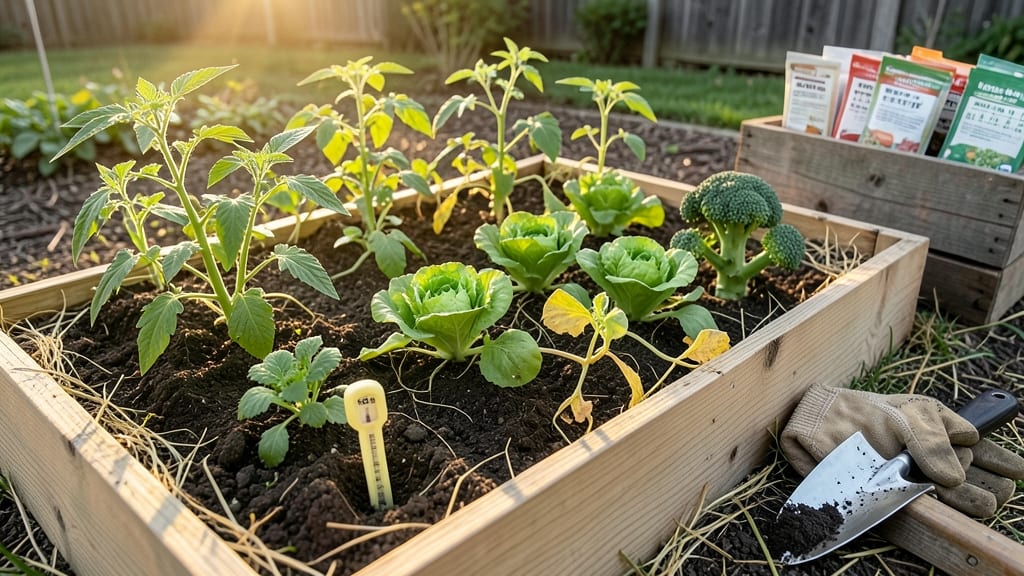
Planting a vegetable garden in Oklahoma at the right time means the difference between a bountiful harvest and wasted seeds—especially with frost dates that shift from Zone 6a to 8a.
Oklahoma’s unpredictable climate—from scorching summers to early frosts—can make or break your vegetable garden. Planting at the wrong time means stunted growth, wasted seeds, or even total crop failure. But timing it right unlocks a bounty of tomatoes, peppers, and greens that thrive in Oklahoma’s unique frost-free window.
Cool-season crops like lettuce and peas need to go in the ground 4-6 weeks before your last frost, while warm-season favorites like tomatoes and peppers wait until 2-4 weeks after.
With average last frost dates ranging from March 1 in Zone 6a to April 1 in Zone 8a, knowing your microclimate is the key to success.
Below, I’ll break down the exact planting windows by month, soil prep tips, and how to adjust for Oklahoma’s erratic weather—so you can enjoy fresh veggies from spring through fall.
Oklahoma’s frost-free planting zones: month-by-month timeline for vegetable success
Oklahoma’s diverse microclimates mean your last frost date could vary by weeks between cities like Oklahoma City (March 15) and Lawton (March 22). Understanding these planting windows ensures your cool-season crops like broccoli and warm-season crops like tomatoes thrive without frost damage.
Let’s break it down by month for maximum harvest success.
Start with cool-season crops 4-6 weeks before your average last frost date. In Zone 6a (panhandle), that’s early February, while Zone 8a (southeast) can begin as late as March.
For warm-season crops, wait until 2-4 weeks after the last frost—typically mid-April in northern Oklahoma and early March in the south.
Here’s your month-by-month guide, tailored to Oklahoma’s frost-free zones:
| Month | Cool-Season Crops (Plant) | Warm-Season Crops (Plant) | Harvest Window | Notes |
|---|---|---|---|---|
| February | Spinach, Lettuce, Peas, Kale | — | Late Spring (April-May) | Zone 6a only; use row covers |
| March | Broccoli, Cabbage, Carrots, Onions | Tomatoes (tender), Peppers (hardy) | Spring (April-June) | Wait until after last frost for warm crops |
| April | Radishes, Green Onions, Arugula | Beans, Cucumbers, Corn, Eggplant | Summer (June-August) | Direct-sow warm crops after soil warms |
| May | — | Squash, Okra, Sweet Potatoes | Late Summer (August-Sept) | Succession plant every 2 weeks |
| June | — | Late Tomatoes, Peppers, Basil | Fall (Sept-Nov) | Use shade cloth for heat-sensitive plants |
| September | Spinach, Lettuce, Radishes | — | Fall (Oct-Nov) | Plant for fall harvest before first frost |
For Oklahoma City (Zone 7a), Tulsa (Zone 7b), and Lawton (Zone 7a), these dates align closely, but panhandle regions (Zone 6a) should push cool-season crops earlier. Southeastern Oklahoma (Zone 8a) can delay warm-season planting until late March. Always check your local frost-free dates—they’re your garden’s GPS.
Pro tip: Succession planting every 2 weeks keeps your harvest flowing. For example, sow bush beans in April, then again in May and June. This extends your harvest window and prevents gluts.
Use row covers to protect early spring crops from late frosts, which can still hit as late as April
How to adjust planting times for Oklahoma’s unpredictable weather patterns
Oklahoma’s weather can shift from freezing nights to 90-degree heatwaves in a single week, making precise planting timing a challenge. The key to success lies in flexibility—adjusting your schedule based on real-time conditions rather than relying solely on average frost dates.
I’ve learned that even a 10-day delay can mean the difference between thriving plants and bolting lettuce or wilted tomatoes.
One of my biggest mistakes was planting warm-season crops like peppers too early in March, only to watch them struggle under late frosts. Now, I use a combination of season-extending tools, heat-tolerant varieties, and weather tracking to stay ahead of Oklahoma’s whims.
Here’s how you can do the same:
Another trick I’ve adopted is staggering plantings for high-value crops like zucchini and cucumbers. By planting half the seeds in early May and the rest in late May, I ensure a longer harvest window.
If the first batch struggles under early summer heat, the second batch often thrives as temps stabilize.
For fall gardens, focus on cool-season crops like kale, carrots, and spinach planted in late July to early August. These varieties tolerate light frosts and even perform better after a mild autumn chill. Use shade cloth during the hottest afternoons to protect seedlings from wilting.
Finally, always have a backup plan. Keep a few extra seeds on hand for replanting if early crops fail. Oklahoma’s weather is unpredictable, but with these adjustments, you can turn challenges into opportunities for a longer, more productive growing season. 🌱