
Planting
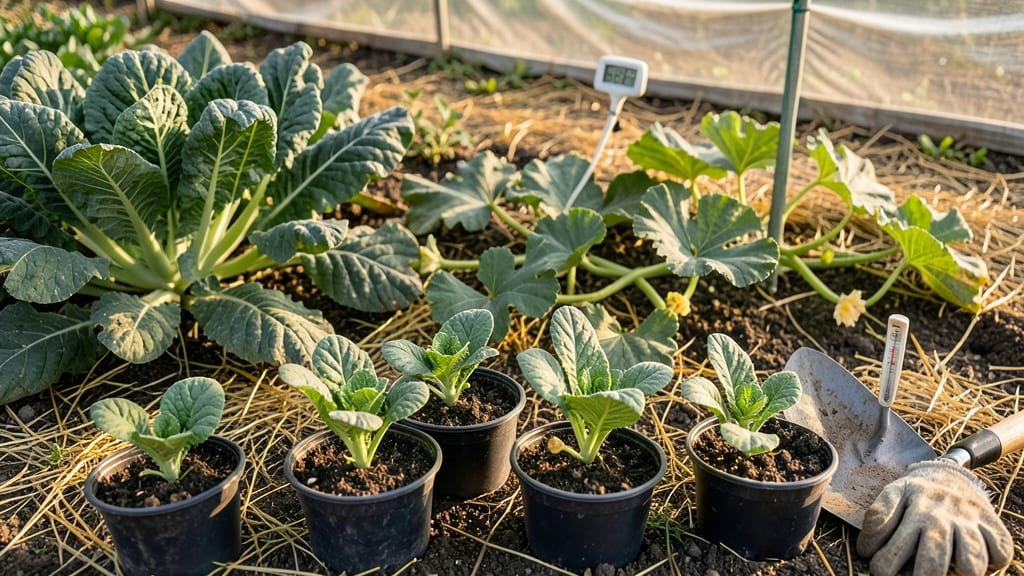
Planting a fall garden in Louisiana requires knowing the exact timing to beat the heat and avoid early frost 🌱 — aim for late July to early September, depending on your heat zone.
Louisiana’s long, hot summers can make fall gardening a game-changer—but timing is everything. Plant too early, and you’ll battle heat stress; too late, and frost ruins your harvest. Here’s your heat-zone-specific guide to mastering Louisiana’s fall planting schedule for maximum yields.
Most gardeners in Louisiana’s humid climate struggle with fungal diseases and uneven soil warmth. The key is choosing fast-maturing crops like okra and collards for early plantings, then shifting to kale and broccoli as temperatures drop.
Below, I break down the best planting windows by region, soil prep tips for Louisiana’s clay-heavy soils, and how to adjust for hurricane season’s unpredictable weather.
Louisiana’s fall planting heat zones: exact months by region
Louisiana’s three distinct heat zones create unique planting windows for fall gardens. Whether you're in Zone 7b-8a (North), Zone 8a-8b (Central), or Zone 8b-9a (South), timing determines whether your okra thrives or your kale bolts.
The key is understanding when soil temperatures drop enough for cool-season crops while still allowing heat-lovers like sweet potatoes to mature before frost.
In my years gardening across Louisiana, I’ve learned that August through October is the sweet spot for fall planting, but the exact dates vary by 10-15 days between zones.
For example, North Louisiana gardeners must rush to beat earlier frosts (as early as mid-November), while South Louisiana can often plant collards in December without frost damage. Let’s break down the exact planting windows for each zone.
| Zone & Region | Heat-Tolerant Crops | Cool-Season Crops | Planting Window | Key Tips |
|---|---|---|---|---|
| North (7b-8a) Shreveport, Monroe |
Okra, Sweet Potatoes, Southern Peas | Kale, Broccoli, Carrots, Spinach | Aug 15 - Sep 15 | Soil temps must be <65°F; use row covers for frost |
| Central (8a-8b) Alexandria, Baton Rouge |
Collards, Malabar Spinach, Cowpeas | Cabbage, Lettuce, Radishes, Turnips | Aug 20 - Oct 1 | Wait for soil temps <70°F; mulch heavily |
| South (8b-9a) Lafayette, New Orleans |
Peppers, Eggplant, Winter Melons | Mustard Greens, Arugula, Beets, Swiss Chard | Sep 1 - Oct 15 | Can plant collards in Dec; watch for hurricane delays |
🌡️ Soil Temp Rule: Plant cool-season crops only when soil temps drop below 80°F
For North Louisiana (Zones 7b-8a), the window is tight. I recommend starting okra and sweet potatoes by mid-August to ensure they mature before first frost (typically November 15). Meanwhile, cool-season crops like kale and broccoli should wait until mid-September when soil temperatures consistently stay below 75°F.
In my Shreveport garden, I’ve had success with ‘Blue Lake’ bush beans planted in early September—they thrive in the mild fall temperatures without bolting.
Central Louisiana’s Zone 8a-8b offers a slightly longer window. Here, I plant collard greens as early as late August (they handle heat better than most greens), while cabbage and lettuce go in mid-September. The key is to test soil temperatures—if they’re above 78°F, seedlings will struggle.
In Baton Rouge, I’ve extended my harvest by using black plastic mulch to warm soil for late-season turnips planted in October.
In South Louisiana (Zones 8b-9a), the real advantage is the ability to plant cool-season crops later.
I often get two harvests of collards—one in October and another in December—by planting successive batches. Peppers and eggplants can even be direct-sown in early September for a winter harvest.
However, hurricane season is a wild card—I always have row covers ready to protect young seedlings from wind and rain.
One critical adjustment for all zones is soil preparation. Louisiana’s clay-heavy soils retain heat longer, so I always amend with compost and raise beds in hotter zones to cool the root zone. For North Louisiana, I add sand for drainage; in <
Critical fall planting mistakes in Louisiana (and how to avoid them)
Fall gardening in Louisiana is a fantastic way to extend your harvest, but timing mistakes can turn your hard work into frustration. The biggest error? Planting heat-sensitive crops like lettuce or spinach too early when summer still lingers.
Even in Zone 8b, September temperatures can linger in the 90s, stressing seedlings before they establish.
Another common blunder is ignoring soil preparation for Louisiana’s clay-heavy soils. Without proper amendments, roots suffocate, and water pools—creating perfect conditions for fungal diseases like Southern blight.
Many gardeners also overlook the humidity factor, assuming fall means dry air. Louisiana’s late-season humidity can still hover around 70%, demanding adjustments to watering and airflow.
Louisiana’s unpredictable humidity in fall can ruin your garden if ignored. Fungal diseases like powdery mildew thrive in damp conditions, while heat retention in clay soils delays cooling. Solution: Test soil moisture daily after rain—plant only when top 2 inches dry.
Use mulch (straw or pine needles) to regulate temperature and reduce evaporation.
Let’s tackle the three biggest mistakes and how to fix them. First, planting heat-lovers too late—like okra or sweet potatoes—after September 15th in North Louisiana (Zone 7b-8a) risks stunted growth before frost.
These crops need 80-90 days to mature, so calculate backward from your first frost date (typically late November in Zone 8a).
Second, skipping soil tests leads to pH imbalances. Louisiana’s acidic soils (pH 5.0-6.0) need lime for brassicas like broccoli or cabbage. A simple $20 soil test kit from your local extension office saves hours of guesswork.
Third, overcrowding seedlings suffocates roots and invites pests. Thin seedlings to 12-18 inches apart for leafy greens and 24 inches for root crops like carrots.
Here’s your zone-specific checklist before planting:
- ☑️ North LA (Zones 7b-8a): Plant heat-tolerant crops (collards, turnips) by August 15; cool-season crops (kale, spinach) after September 20.
- ☑️ Central LA (Zones 8a-8b): Start seeds indoors by August 1 for early harvests; transplant outdoors by September 1.
- ☑️ South LA (Zones 8b-9a): Extend planting until October 15 for frost-sensitive crops like tomatoes or peppers.
Pro tip: Use shade cloth for early plantings to protect seedlings from residual heat. And always water deeply in the morning to prevent fungal spores from spreading overnight. With these adjustments, your fall garden will thrive—no matter Louisiana’s mood swings.