Planting
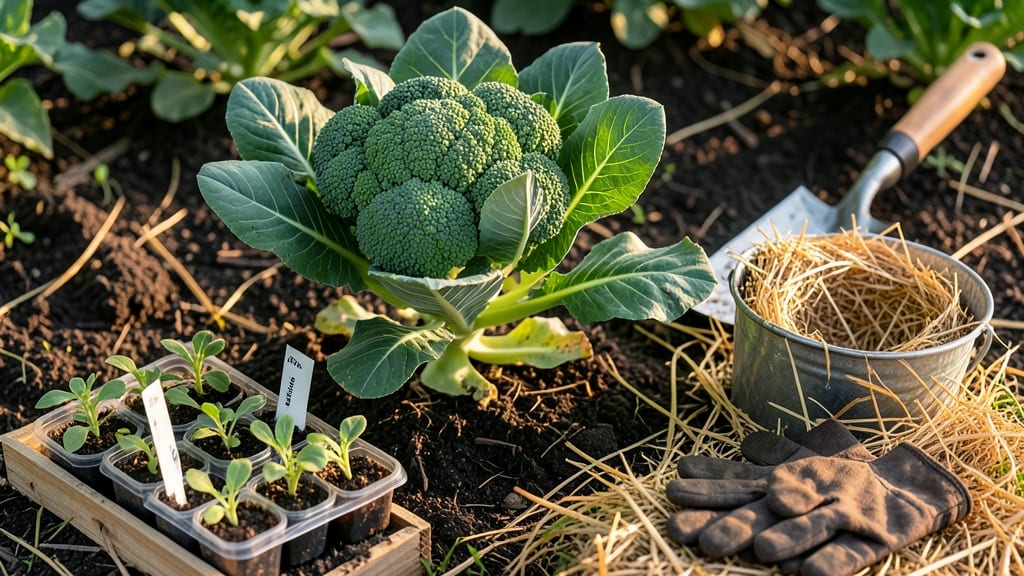
Planting a fall garden in NC between mid-August and early October is your best shot at a second harvest before frost 🍂 — but timing it wrong means either pest-infested plants or a wasted season.
Missed the spring planting window? Don’t worry—North Carolina’s mild fall climate lets you grow a thriving garden after summer’s heat fades. But here’s the catch: plant too early, and you’ll battle pests like squash vine borers; too late, and frost ruins your harvest.
This zone-by-zone guide breaks down the ideal windows for zones 7a–8b, from Charlotte to the coast, so you know exactly when to start seeds, transplant seedlings, and prep your soil for a harvest that lasts through December.
You’ll also discover the 5 pro tips to beat NC’s biggest fall gardening pitfalls—like protecting seedlings, extending the season with row covers, and choosing the right crops for your microclimate.
NC fall planting calendar by hardiness zones (7a–8b)
North Carolina’s fall planting window is your golden opportunity to grow a productive garden without summer’s scorching heat. In zones 7a–8b, timing varies by microclimate—cooler mountain areas (like Asheville) differ from coastal regions (near Wilmington).
The key? Plant 4–6 weeks before your first frost, when soil temps drop to 70–75°F for cool-season crops.
For Charlotte (Zone 7b) and Raleigh (Zone 7a), aim for mid-August to mid-September for most vegetables. Coastal areas (Zone 8a) can extend planting until early October, thanks to milder winters. Warm-season holdovers—like tomatoes and peppers—need 60–70 days to mature, so plant them by late July in cooler zones.
Soil temperature is your best guide. Use a soil thermometer—ideal temps for cool-season crops are 60–70°F. If your soil is still above 80°F in late August, wait 2–3 weeks. In Asheville (Zone 6b/7a), cooler nights mean you can start earlier, but frost risk rises faster.
Here’s your zone-by-zone breakdown for planting fall crops, including last frost dates and ideal soil conditions:
For coastal NC (Zone 8a), you can push the envelope further. Plant collard greens and turnips as late as October 1—they’ll sweeten with frost! In mountain zones (6b/7a), prioritize fast-maturing crops like radishes (30 days) or bush beans (50 days) to avoid early frost.
Pro tip: Direct-sow most cool-season crops (like carrots and beets) instead of transplanting. Seedlings struggle in NC’s heat when soil temps exceed 80°F. Start spinach and lettuce indoors in late July if you’re in Zone 7a or cooler—transplant when soil cools.
Don’t forget warm-season holdovers! If you planted tomatoes or peppers in early summer, they might still produce into September. Use row covers to extend their season by 2–3 weeks, protecting them from light frosts (28–30°F).
In Zone 8a, some varieties (like ‘Celebrity’ tomatoes) can even survive until November.
Soil prep is critical. Test your soil pH (ideal: 6.0–7.0 for most veggies) and amend with compost or aged manure before planting. Add a 2–3 inch mulch layer of straw to retain moisture and suppress weeds—fall gardens thrive with consistent soil moisture.
Watch for pests like squash vine borers and cabbage worms, which linger into fall. Use row covers or neem oil to protect young seedlings. If frost threatens, cover tender crops with frost blankets or old bedsheets—even a 28°F night can damage basil or peppers.
With the right timing, your NC fall garden can yield harvests until December—or even later with protection. Start now, and you’ll be feasting on homegrown kale, carrots, and tomatoes long after your neighbors’ gardens go dormant 🌱🍂.
Best fall crops for NC gardens (and when to start seeds vs. transplant)
North Carolina’s fall garden offers a second chance for harvests, but success hinges on choosing the right crops and planting them at the perfect time. Cool-season crops like kale and carrots thrive in autumn’s cooler temps, while warm-season holdovers such as tomatoes and peppers need a head start to mature before frost.
The key? Knowing whether to start seeds indoors or plant directly in the garden.
For zone 7a (e.g., Asheville), aim to transplant seedlings by mid-August and direct-sow by late August. In zone 8a (e.g., Wilmington), you’ve got until early October for direct sowing. But don’t wait too long—soil temps must drop below 80°F for cool-season crops to germinate properly.
🌱 Pro Tip: Use a soil thermometer to check temps—ideal range for fall seeds is 50–75°F. If your soil is still too warm, wait a week or two.
-
🌱 Cool-Season Crops (Start Seeds Indoors 4–6 Weeks Before Transplanting)
- Broccoli, Kale, Spinach: Transplant by mid-August (zones 7a–8a)
- Carrots, Beets, Radishes: Direct sow by late August
- Lettuce, Swiss Chard: Sow every 2 weeks until September
-
🌶️ Warm-Season Holdovers (Start Seeds Indoors 8–10 Weeks Before Frost)
- Tomatoes, Peppers: Transplant by early August (zones 7a–8a)
- Green Beans, Cucumbers: Direct sow by mid-August
- Basil, Dill: Sow until early September (if frost-free)
-
🍂 Soil Prep for Fall Success
- Test soil pH: Aim for 6.0–7.0 for most veggies
- Add compost or aged manure 2–3 weeks before planting
- Mulch with straw or leaves to retain moisture and warmth
Don’t overlook succession planting—sow quick-growing crops like radishes or lettuce every 2 weeks to stagger harvests. This keeps your garden productive even as temperatures drop. For frost-sensitive crops like basil or peppers, use row covers to buy extra time.
Ready to extend your harvest? Start with kale and carrots—they’re the most cold-hardy and can often survive light frosts. Pair them with broccoli and spinach for a nutrient-packed fall feast. Just remember: the earlier you plant, the longer your harvest will last.
With the right crops and timing, your NC fall garden can be just as bountiful as your spring one—maybe even better, with sweeter flavors from the cooler weather! 🌿