
Planting
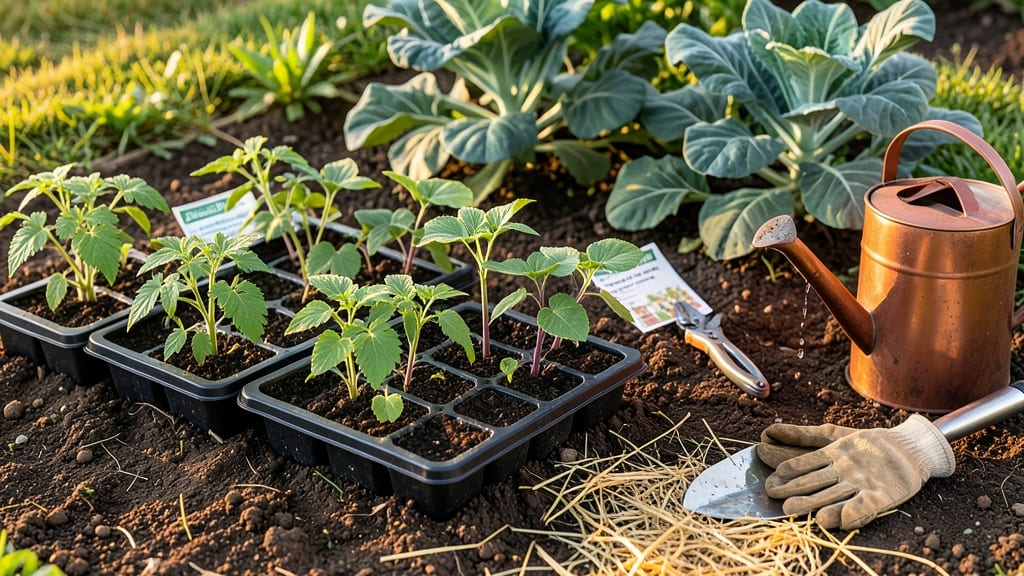
Planting your Alabama garden at the right time means the difference between a lush harvest and a lost season 🌱—and the exact deadlines depend on whether you’re in Birmingham, Mobile, or the mountains.
Alabama’s warm climate and long growing season make it a gardener’s paradise—but timing is everything to avoid frost damage and maximize yields. Whether you’re planting vegetables, flowers, or herbs, knowing the exact deadlines for your zone can mean the difference between a thriving garden and a failed harvest.
Spring planting kicks off in late February for heat-lovers like okra and sweet potatoes, while cool-season crops like broccoli and spinach need to hit the soil by early April. Fall is your second chance: August through September lets you squeeze in a second harvest before winter sets in.
Below, I break down the zone-specific deadlines for Alabama’s 7a-8b regions, which crops to plant when, and how to stretch your season with simple tricks like row covers and succession planting.
Alabama planting zones and last frost dates by region
Alabama spans USDA hardiness zones 7a through 8b, creating microclimates with distinct frost patterns. Northern regions like Huntsville (zone 7a) face later spring frosts, while southern Mobile (zone 8a) enjoys earlier planting windows and extended fall harvests.
Understanding these variations helps you avoid frost damage and align planting with your local climate.
The last spring frost typically arrives between mid-March and early April, but this shifts dramatically across the state. For example, Birmingham (zone 7b) averages its last frost on March 25, while Mobile (zone 8a) sees its last freeze around February 28.
These dates mark the safe window for warm-season crops like tomatoes and peppers.
First fall frosts also vary widely: Huntsville (zone 7a) may see frost by November 1, while Mobile (zone 8a) often holds off until December 15. This means cool-season crops like broccoli and spinach can thrive longer in southern Alabama.
Here’s a region-by-region breakdown of Alabama’s planting zones, frost dates, and ideal planting windows to help you plan with precision:
Use these dates as your garden calendar anchors. For example, in zone 7a, wait until April 15 to plant heat-loving crops like okra or sweet potatoes, while zone 8b gardeners can start as early as February 28.
Always check local weather forecasts for 2-3 days before your target date to avoid surprises.
For cool-season crops like lettuce or peas, plant in late summer (August) to harvest before fall frosts. In northern Alabama, aim for early August, while southern regions can extend planting until mid-September. This strategy maximizes your fall harvest window before the first frost.
Pro tip: Mark your last frost date on a calendar and count backward to determine when to start indoor seedlings. Most vegetables need 4-6 weeks of indoor growing before transplanting.
For instance, if your last frost is March 25, start tomatoes indoors by February 15 to ensure they’re ready for the garden.
Alabama’s long growing season (210-270 frost-free days) allows for year-round gardening with the right planning. Use these zone-specific deadlines to time your plantings perfectly, whether you’re growing warm-season staples or cool-season greens. With precision timing, you’ll enjoy a bountiful harvest from spring through fall! 🌱
Best crops to plant in Alabama by season: spring vs. fall vs. year-round
Alabama’s long growing season and diverse climate zones let you grow everything from heat-loving okra to cool-season spinach. But planting timing makes all the difference—miss the window, and you’ll battle frost damage or wilting heat.
Let’s break down the best crops for each season, tailored to Alabama’s 7a-8b zones, so you can plan like a pro.
In North Alabama (Huntsville, Decatur), cooler temps mean you’ll focus on spring greens and fall root crops, while South Alabama (Mobile, Dothan) gardeners can stretch seasons with year-round tomatoes and winter greens.
The key? Know your last frost date (March 15 in the north, February 15 in the south) and first frost (November 15 north, December 15 south).
Cool-season crops: broccoli, spinach, lettuce, peas (plant 4-6 weeks before last frost). Warm-season starters: tomato, pepper, eggplant (plant after last frost).
Heat-tolerant crops: okra, sweet potatoes, southern peas, black-eyed peas. Transplant tomatoes, peppers by Memorial Day for best yields.
Cool-season crops: kale, collards, carrots, radishes, onions. Plant 6-8 weeks before first frost for harvest before cold sets in.
Tomatoes, peppers, green onions, herbs (basil, cilantro) thrive year-round in South Alabama. Use row covers for winter protection in North Alabama.
For spring planting, start cool-season crops like broccoli and spinach indoors in February (or direct-sow in March) to beat the last frost. Once temps rise, swap them out for tomatoes and peppers, which need warm soil (60°F+) to thrive.
Pro tip: Use black plastic mulch to warm soil faster in cooler zones.
Summer is all about heat-loving crops. Okra and sweet potatoes grow like weeds in Alabama’s heat, while peppers and eggplants need consistent moisture to avoid bitter flavors. If you’re in North Alabama, opt for shade-tolerant varieties like ‘Arkansas Traveler’ okra to handle midday sun.
Fall is my favorite season—cool nights and warm days create perfect conditions for leafy greens and root vegetables. Plant kale and collards in August for harvests through December. In South Alabama, you can even squeeze in a winter garden with cabbage and radishes under row covers.
Don’t overlook year-round crops like green onions and herbs. These grow slowly but steadily and add fresh flavor to meals anytime. For tomatoes, succession plant every 2-3 weeks from April to July to keep your harvest going all summer long.