
Planting
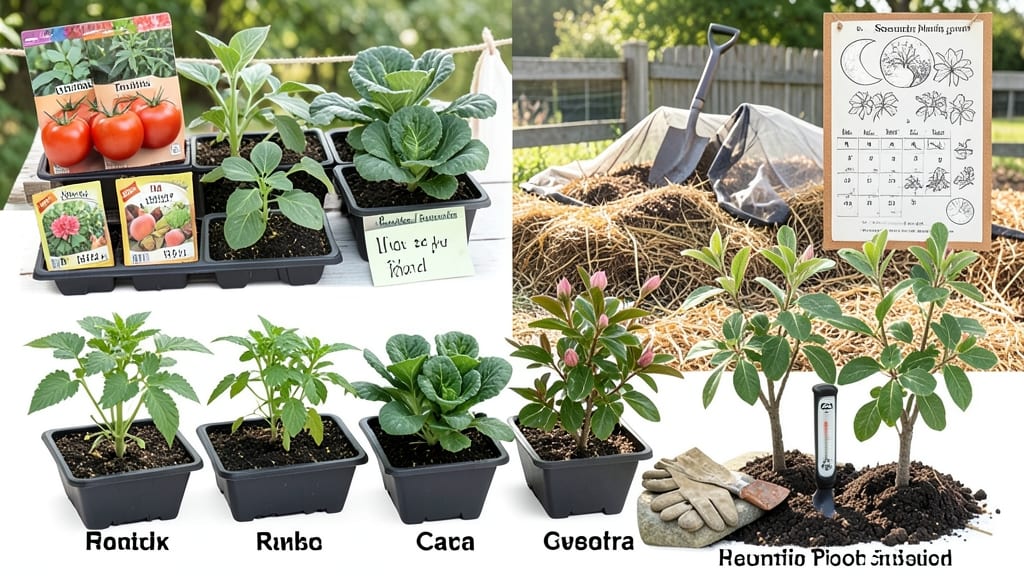
To plant a garden in Georgia, timing is everything—start cool-season crops like spinach and broccoli in late winter (February) and warm-season favorites (tomatoes, peppers) after your last frost, around mid-March.
Georgia’s warm climate and long growing season make it a gardener’s paradise—but planting at the wrong time can mean wasted effort. Timing is everything for avoiding frost damage and maximizing yields, whether you’re growing peaches in Zone 7a or tomatoes in Zone 8a.
In Zone 7a, where frosts linger a little longer, you’ll want to wait until early April for heat-loving plants, while Zone 8a gardeners can start as early as late February.
The key is knowing your last frost date and working with Georgia’s unique climate—humid subtropical in the south, cooler in the north.
Below, I break down the exact planting windows for your region, how to extend your season with row covers, and the best crops to grow each month—so you can start strong and harvest all summer long.
Georgia’s frost-free planting deadlines by Zone (7a vs 8a)
Georgia’s USDA Zones 7a and 8a offer gardeners two distinct growing seasons, but frost dates are the key to success. In Zone 7a (north Georgia), the average last frost arrives around March 15, while Zone 8a (south Georgia) enjoys a later last frost near March 30.
These dates shift your planting windows significantly, especially for warm-season crops like tomatoes and peppers.
First frost in Zone 7a typically hits November 15, while Zone 8a holds off until November 30. This means Zone 8a gardeners get an extra 4-6 weeks of growing time—critical for extending harvests.
Understanding these frost-free periods helps you avoid planting too early and risking frost damage or too late and missing peak yields.
For cool-season crops like spinach and broccoli, Zone 7a gardeners should plant by mid-August for fall harvests, while Zone 8a can push planting until early October.
Conversely, warm-season crops like squash and peppers thrive when planted 2-3 weeks after your last frost date—so Zone 7a gardeners aim for late March to early April, while Zone 8a can start as early as mid-March.
| Factor | Zone 7a (North GA) | Zone 8a (South GA) |
|---|---|---|
| Average Last Frost | March 15 | March 30 |
| Average First Frost | November 15 | November 30 |
| Frost-Free Days | 200-220 | 220-240 |
| Cool-Season Planting Window | Feb 15 - Mar 15 | Feb 1 - Mar 25 |
| Warm-Season Planting Window | Apr 1 - May 1 | Mar 15 - Apr 15 |
| Fall Planting Deadline (Cool Crops) | Mid-August | Early October |
In Zone 7a, tomatoes and peppers planted in early April often produce earlier harvests than those sown later. Meanwhile, Zone 8a gardeners can start warm-season crops as early as mid-March, giving them a 6-week head start on the growing season.
This is especially valuable for heat-loving plants like okra and sweet potatoes, which thrive in Zone 8a’s extended summer.
Historical frost data from the USDA shows that Zone 7a experiences a 10% higher chance of late frosts in April, while Zone 8a’s risk drops to 5% after March 30.
To mitigate risks, I recommend using frost cloth for early plantings in Zone 7a or opting for fast-maturing varieties like 'Early Girl' tomatoes (55 days to harvest) instead of slower growers.
For cool-season crops, Zone 7a gardeners should prioritize frost-hardy varieties like 'Winterbor' kale or 'Blue Lake' bush beans, which tolerate light frosts. In Zone 8a, you can experiment with overwintering crops like cabbage or carrots, which stay productive well into December.
The key is matching your planting timeline to your zone’s frost patterns.
Pro tip: Use a frost calendar from your local Cooperative Extension Service (e.g., UGA Extension) for hyper-localized advice. These resources often adjust for microclimates, like urban heat islands or valley frosts, which can shift frost dates by 1-2 weeks.
For example, Atlanta (Zone 7b) may experience frosts 3-5 days later than nearby rural areas.
Don’t overlook succession planting—especially in Zone 8a, where you can squeeze in two full harvests of warm-season crops like cucumbers or green beans. Start your first planting in March, then follow up with a second round in June to extend yields until October.
This strategy works beautifully for bush beans and zucchini, which mature quickly.
If you’re new to Georgia gardening, err on the side of planting slightly late rather than early. A single late frost can wipe out seedlings, while delayed plantings often catch up—especially with fast-growing varieties. For example, 'Cherry Belle' radishes mature in just <
Best crops to plant in Georgia by season (Zone 7a/8a guide)
Georgia’s extended growing season lets you enjoy fresh produce year-round, but the key to success lies in matching each crop to its ideal planting window.
In Zone 7a, where late frosts are common, focus on frost-tolerant varieties like kale and peas, while Zone 8a gardeners can push heat-loving crops like okra and sweet potatoes to their limits.
The right timing ensures higher yields and healthier plants—whether you're growing tomatoes in summer or spinach in winter.
Below is a season-by-season breakdown of Georgia’s top-performing crops, including planting dates, care tips, and expected yields. I’ve included both cool-season champions for early spring and late fall, plus heat-tolerant varieties that thrive in Georgia’s summer heat.
For each crop, I’ll share my go-to varieties and maintenance secrets to keep your garden thriving.