Planting
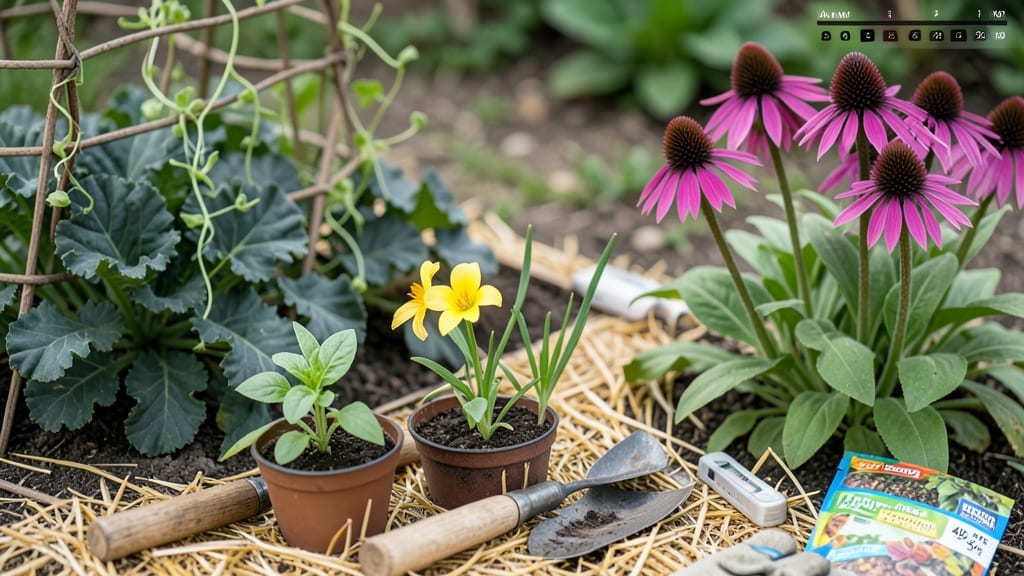
To plant a garden in Minnesota, timing is everything—mid-April to mid-May for spring crops and late July to early August for fall, with last-frost dates shifting from late April in the south to early June in the north.
Picture this: you’ve spent weeks nurturing seedlings indoors, only to rush them outside too soon and watch them wilt in a late frost. Or worse, you plant heat-loving tomatoes in May, only to have them bolt before producing fruit.
Minnesota’s short growing season means these mistakes can turn a dream garden into a costly lesson.
But here’s the good news: with the right schedule, you can stretch your season by weeks, protect tender plants from unpredictable weather, and even sneak in a second harvest before frost.
Below, I break down the exact windows for vegetables, flowers, and perennials—plus how to adjust for your specific USDA zone and microclimate.
You’ll learn how to read soil temperatures, when to start seeds indoors, and which crops thrive in Minnesota’s cool summers—so you can finally grow that abundant harvest you’ve been dreaming of.
Minnesota planting calendar by USDA zone 4 crop type
Minnesota’s USDA Zone 4 climate demands precision when planting—one wrong move, and your seedlings could freeze or bolt. The last frost date varies dramatically: expect late April to early June depending on whether you're in southern Minneapolis or northern Duluth.
This calendar breaks down when to plant vegetables, flowers, and herbs for a successful harvest, including adjustments for cold-hardy starts and warm-season plants.
For northern Minnesota (Zones 3b-4a), wait until May 15-20 for most warm-season crops, while southern Minnesota (Zones 4b-5a) can start 2-3 weeks earlier. Always check your local frost clock—Minnesota’s weather is famously unpredictable.
Below, I’ve organized crops by type, including indoor starts, direct sowing, and fall planting for a second harvest.
Pro Tip: Use row covers or cold frames to extend your season by 2-4 weeks in both directions. This is especially useful for leafy greens and root vegetables that tolerate cooler soil.
| Crop Type | Planting Window (Southern MN) | Planting Window (Northern MN) | Notes |
|---|---|---|---|
| Cold-Hardy Vegetables (Spinach, Kale, Peas, Lettuce) | Mid-March to early May (indoor starts) or late April (direct sow) | Early April to mid-May (indoor starts) or late May (direct sow) | Tolerates 32°F+ soil; sow every 2 weeks for continuous harvest. |
| Warm-Season Vegetables (Tomatoes, Peppers, Cucumbers) | Mid-April (indoor starts); late May (transplant after frost) | Late April (indoor starts); early June (transplant after frost) | Wait for soil temps ≥50°F; use black plastic mulch to warm soil faster. |
| Root Crops (Carrots, Beets, Radishes) | Late April to early June (direct sow) | Early May to mid-June (direct sow) | Sow shallowly (½ inch deep); thin seedlings to 2-3 inches apart. |
| Flowers (Marigolds, Zinnias, Sunflowers) | Late April to early June (after frost) | Early May to mid-June (after frost) | Direct sow annuals; deadhead for longer blooms. |
| Herbs (Basil, Cilantro, Parsley) | Mid-May (after frost) or start indoors in April | Late May (after frost) or start indoors in late April | Basil needs warm soil; cilantro bolts in heat—sow in fall too. |
| Fall Crops (Kale, Brussels Sprouts, Radishes) | Late July to early August (6-8 weeks before first frost) | Early August to mid-August (6-8 weeks before first frost) | Use row covers to extend harvest into October/November. |
For warm-season vegetables like tomatoes and peppers, I always start seeds indoors by mid-April (southern MN) or late April (northern MN). These plants need 60-90 days of warmth to mature, so timing is critical.
If you miss the window, opt for container gardening—pots can be moved indoors before frost.
Don’t overlook fall planting! Crops like kale, Brussels sprouts, and radishes
How to adjust planting times for Minnesota’s unpredictable weather
Minnesota’s weather can shift from freezing nights to 90-degree heat in a single week, making planting timing more art than science. The key to success? Flexibility. I’ve learned that even a 2-week shift in planting can mean the difference between a bountiful harvest and a sad, wilted garden.
Urban areas like Minneapolis often warm up faster than rural farmland, while northern zones like Duluth face frost threats well into June.
Start by checking your local last-frost date—not the average, but the recent 5-year average—since climate change has already pushed these dates earlier. For example, southern Minnesota may see its last frost by May 10, while northern areas might still face frost as late as June 10.
Use this as your baseline, then adjust based on microclimates in your yard.
🌱 5 Pro Tips to Extend Your Minnesota Growing Season
- 1. Use row covers (floating fabric) to warm soil by 5-10°F and protect seedlings from late frosts. They also deter pests like cabbage moths.
- 2. Plant cold-hardy crops like kale, peas, and spinach 4-6 weeks before your last frost date. These thrive in 40-50°F soil.
- 3. Adjust for urban heat islands: City gardens can be 5-10°F warmer than rural areas, allowing you to plant warm-season crops like tomatoes 1-2 weeks earlier.
- 4. Start seeds indoors 6-8 weeks before your last frost. Use grow lights to avoid leggy seedlings, and harden off plants for 7-10 days before transplanting.
- 5. Plan for fall crops by sowing cool-season veggies in late July. Use black plastic mulch to warm soil and extend the season by 3-4 weeks.
Another game-changer? Soil temperature matters more than air temperature. Use a soil thermometer to confirm when soil reaches 50°F for most veggies and 60°F for warm-season crops like peppers and tomatoes. In my garden, this often means waiting 1-2 weeks longer than the air temperature suggests.
For example, I’ve planted tomatoes in early May only to see them struggle until late May when the soil finally warmed.
Don’t overlook microclimates in your yard. A south-facing wall can create a warmer niche for heat-loving plants, while low-lying areas may stay colder longer. I once grew zucchini successfully in a raised bed near my brick house in June, while the same variety in a shady corner failed.
Observe your yard’s patterns for at least a season to identify these spots.
For fall planting, aim to harvest before the first frost. In southern Minnesota, this might mean planting broccoli or carrots by August 15, while northern gardeners should start by July 15.
Use straw mulch to insulate soil and protect crops like kale from early frosts. I’ve even extended my harvest by 3 weeks using low tunnels over greens.
Finally, keep a gardening journal to track your adjustments. Note which crops thrived, which struggled, and why. Last year, my basil bolted early because I planted it too soon—this year, I’ll wait until after Memorial Day when soil temperatures are consistently above 60°F.
Small tweaks like these turn Minnesota’s unpredictable weather into an advantage, not a barrier.