
Planting
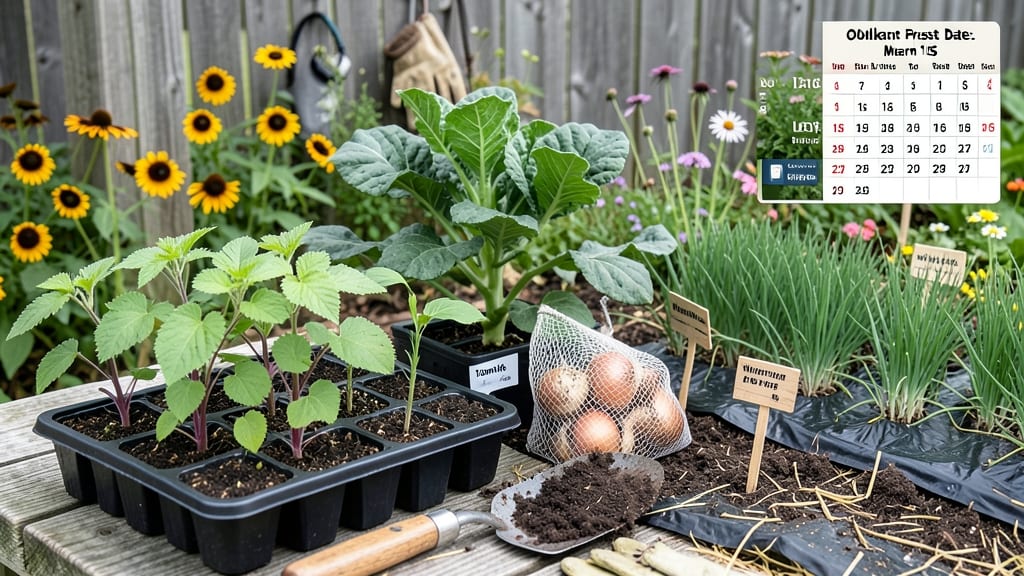
To plant a garden in Oklahoma, time your crops carefully: cool-season vegetables like lettuce and peas grow best in early spring (late February to April) and fall (September to October), while warm-season plants such as tomatoes and peppers should wait until after the last frost (mid-April to May). Oklahoma's USDA Zones 6b-8a mean microclimates and frost dates vary—always check your local averages for precision.
Oklahoma's planting schedule shifts dramatically between its northern and southern regions due to temperature variations. In the cooler northern areas (like Zone 6b), you might need to wait until mid-April for warm-season crops, while southern Oklahoma (Zone 8a) can start planting tomatoes as early as late March.
Microclimates—like urban heat pockets or sheltered garden spots—can also create 2-3 week differences in frost timing. 🔥 I always recommend using the National Weather Service's frost date maps or your local cooperative extension office for the most accurate guidance, as they account for these local variations.
Another key factor is Oklahoma's unpredictable weather patterns. Even after the last frost, a late cold snap can damage tender seedlings. That's why I start warm-season crops like peppers and eggplants indoors 6-8 weeks before the average last frost date, then transplant them once temperatures stabilize.
For cool-season crops, I often use row covers in early spring to extend the growing season by 2-4 weeks without risking frost damage.
💡 In This Article
- Oklahoma’s USDA Zones and Frost Dates by Region
- Best Planting Schedule for Oklahoma Gardens by Crop Type
Oklahoma’s USDA zones and frost dates by region
Oklahoma spans USDA Zones 6b through 8a, creating distinct planting windows across the state.
Northern regions like Zone 6b (e.g., Oklahoma City, Tulsa) experience average last spring frosts around April 15, while southern areas like Zone 8a (e.g., Oklahoma City’s southern suburbs, Lawton) can see final frosts as early as March 25.
This 3-week difference means tomatoes planted in southern Oklahoma in late March may need protection in northern areas until mid-April.
The first fall frost also varies dramatically: northern Oklahoma typically sees frost by October 15, while southern regions hold off until November 5. This timing lets gardeners in southern Oklahoma extend their growing season by 3-4 weeks compared to northern areas.
For example, you could plant a fall crop of spinach in southern Oklahoma as late as September 20, while northern gardeners should finish by September 5 to avoid frost damage.
Microclimates add another layer of complexity. Urban areas like Oklahoma City experience heat island effects, where pavement and buildings raise temperatures by 5-10°F compared to rural areas. This can create 1-2 week earlier planting windows in city gardens.
Conversely, higher elevations (like the Wichita Mountains) may experience frosts 10-14 days later than nearby valleys. To find your specific microclimate, use the USDA Plant Hardiness Zone Map or your local Cooperative Extension Service for hyper-local frost data.
Here’s how these zones translate to real-world planting: In Zone 7a (common in central Oklahoma), you can safely plant warm-season crops like peppers April 1 after the average last frost. But in Zone 6b, wait until April 15 to avoid a 20% chance of late frost damage.
The National Weather Service’s frost probability maps show these risks visually—essential for planning.
For precision, I recommend using a minimum-maximum thermometer in your garden to track local temperature swings. These devices record daily lows and highs, helping you identify when nighttime temperatures consistently stay above 50°F—the safe threshold for most warm-season seedlings.
This local data often reveals 3-5 day differences from official averages, giving you a competitive edge in your planting schedule.
One pro tip: If you’re in Zone 7a or warmer, consider planting early maturing varieties of warm-season crops like bush beans (50 days to harvest) or zucchini (45 days) in late March under row covers.
This extends your harvest window by 2-3 weeks before the heat of summer arrives. The key is balancing risk and reward—early planting can pay off, but be ready to protect tender plants with frost cloth if needed.