Planting
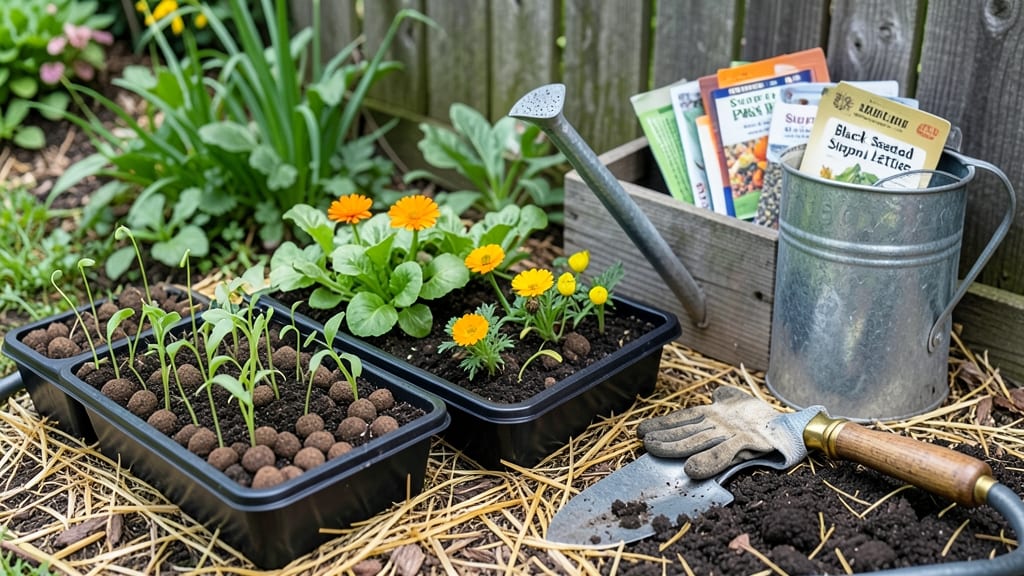
To plant a garden in Oregon at the perfect time means timing your seeds with the last frost—which can vary by hundreds of miles from the Willamette Valley to the high desert.
Oregon’s diverse climate—from coastal fog to high-desert heat—means planting at the wrong time can turn your garden dreams into a costly mistake. But with the right timing, you can maximize your harvest and avoid common pitfalls that even experienced gardeners face.
Whether you’re sowing potatoes in March or waiting for tomatoes in August, the key is knowing your microclimate. Coastal areas like Astoria have a longer growing season, while inland spots like Bend need to act fast before summer heat arrives.
Below, I break down the exact month-by-month planting schedule for Oregon’s three main regions, plus how to adjust for your specific neighborhood—because even within Portland, elevation changes everything.
Oregon’s planting zones and microclimates: when to start seeds vs. transplants
Oregon’s USDA planting zones 7b-9a create a gardening paradox—mild winters and warm summers, but dramatic microclimates that can confuse even seasoned gardeners. The coastal fog belt near Astoria stays chilly well into spring, while the high desert of Bend bakes by May.
These extremes mean your seed-starting timeline in Portland differs drastically from planting in Eugene or La Grande.
Understanding the critical difference between direct sowing seeds and transplanting seedlings is your secret weapon. Heat-loving tomatoes and peppers can’t handle coastal late spring frosts, while cold-hardy kale might bolt in the desert’s summer heat.
Let’s break down when to plant what, where—and why timing matters more than you think.
The coastal zone (like Astoria) has the latest last frost dates—often May 1 or later—because marine air keeps temperatures cool. This means you can direct sow lettuce and spinach as early as April 1, but tomatoes and peppers need to wait until late May to avoid frost damage. In contrast, the high desert (Bend, La Grande) warms up so quickly that you can plant heat-lovers like okra by early June.
For transplants, the rule is simple: wait until soil temperatures reach 50°F+. Use a soil thermometer—cooler soils delay growth.
In the Willamette Valley, this usually means mid-April for cabbage and broccoli, but late May for eggplants. Southern Oregon’s warmer microclimate lets you plant tomatoes as early as March 15, giving you a 2-month head start on coastal gardeners.
Heat-sensitive crops like cucumbers and squash need consistent warmth.
In the desert, plant them by June 1; on the coast, wait until June 15. Herbs like basil thrive with hot afternoons—perfect for Medford’s Zone 9a but risky in Portland’s Zone 7b if planted too early.
Always check frost-free date maps from the Oregon State University Extension for your exact location.
Pro tip: Start seeds indoors 6-8 weeks before your last frost date. For coastal gardeners, that’s March 1; for desert gardeners, <
Month-by-month planting calendar for Oregon’s 3 key regions (Willamette Valley, coast, high desert)
Oregon’s three distinct regions—Willamette Valley, Coast, and High Desert—each have unique frost dates and growing seasons. The Willamette Valley’s mild climate lets you plant potatoes in early March, while coastal areas like Astoria can start strawberries in February.
Meanwhile, the high desert’s short season demands quick action for melons and squash by late May.
Below is your region-specific planting guide, with a color-coded danger zone for frost-sensitive crops like tomatoes and peppers. Use this to avoid costly mistakes—like planting cucumbers too early in the high desert or waiting too long in the Willamette Valley.
🌱
| 🌱 Oregon Planting Calendar by Region | |||
|---|---|---|---|
| Crop | Willamette Valley | Coast (Astoria) | High Desert (Bend) |
| Potatoes | March 1–15 Harvest: June–July |
March 15–30 Harvest: July–Aug |
April 15–May 1 Harvest: July–Aug |
| Strawberries | March 1–April 15 Fall: Aug 1–15 |
February 15–March 30 Fall: Sept 1–15 |
May 1–15 Fall: July 15–30 |
| Tomatoes | April 15–May 1 Harvest: July–Oct |
May 1–15 Harvest: Aug–Sept |
May 15–June 1 Harvest: Aug–Sept |
| Melons | May 1–15 Harvest: July–Sept |
May 15–June 1 Harvest: Aug–Sept |
April 15–May 1 Harvest: June–July |
| Peppers | April 15–May 1 Harvest: Aug–Oct |
May 1–15 Harvest: Sept–Oct |
May 15–June 1 Harvest: Aug–Sept |
| Lettuce | March 1–April 30 Fall: Aug 1–Sept 15 |
February 15–May 1 Fall: Sept 1–Oct 15 |
April 15–May 15 Fall: July 15–Aug 15 |
| Carrots | March 15–April 30 Fall: July 15–Aug 30 |
March 1–May 15 Fall: Aug 1–Sept 15 |
April 1–May 15 Fall: June 15–July 30 |
| 💡 Key: Safe Zone = Ideal planting time | Warning Zone = Risk of frost | Danger Zone = Avoid planting | |||
For the Willamette Valley, focus on early spring planting (March–April) for cool-season crops like peas and spinach. The coastal region enjoys a longer season, so you can start warm-season crops like tomatoes in early May—but be ready for late frosts in May.
The high desert’s short season demands speed. Plant heat-loving crops like melons by mid-April and prioritize fast-maturing varieties. Use row covers to extend the season for frost-sensitive plants like peppers.
🌿
Pro tip: Soil temperature matters more than air temperature. Use a soil thermometer—most vegetables need soil at 50°F+ to thrive. In the high desert, wait until soil reaches 60°F+ before planting melons or squash to avoid poor germination.
💧