Planting
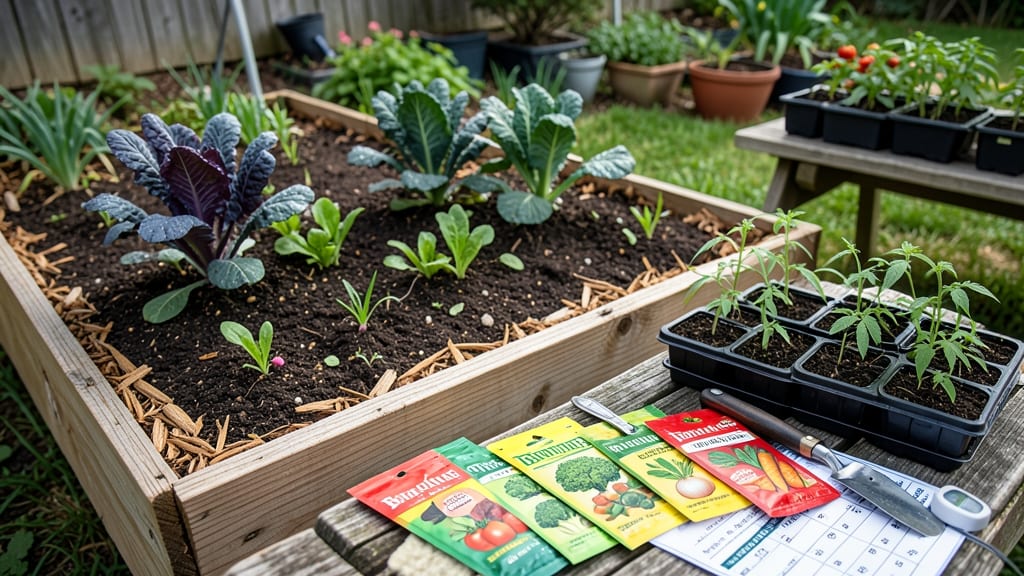
Planting a garden in Pennsylvania at the right time means catching that narrow window between frost and heat — and missing it can leave you with wilted seedlings or no harvest at all.
Pennsylvania’s unpredictable spring weather can turn your gardening dreams into a guessing game—unless you know the exact frost dates and ideal planting windows for your Zone 6b location.
Most gardeners here wait until after the average last frost date (around mid-April in many areas), but that’s just the start. Cool-season crops like spinach and kale can go in the ground as early as March, while tomatoes and peppers need to wait until the soil warms to 60°F.
In this guide, I’ll break down the best planting timeline for vegetables, flowers, and perennials—plus how to adjust for late frosts, heatwaves, and your local microclimate so you can grow a thriving 🌱 garden all season long.
Pennsylvania Zone 6b frost dates: key deadlines for planting seasons
Pennsylvania’s Zone 6b climate means you get roughly 150-180 frost-free days each year—a delicate window for planting. The average last spring frost typically arrives between April 15 and May 15, while the first fall frost usually hits between October 15 and November 1.
These dates can shift by 2-3 weeks depending on your exact location, from the Poconos mountains to Pittsburgh’s urban heat islands. Knowing these deadlines helps you time seed starting, transplanting, and harvesting for maximum success.
Microclimates play a huge role in Pennsylvania. For example, Philadelphia’s coastal influence often delays spring frosts by 1-2 weeks compared to central PA’s rolling hills. Even within a single county, valleys can be 5°F warmer than nearby ridges.
I always check local weather stations (like Penn State’s Ag Weather Network) and adjust my planting dates based on 3-5 years of historical data from my specific area. This small extra step prevents frost damage to tender seedlings.
Use the USDA Plant Hardiness Zone Map as your baseline, but remember it’s just a starting point. Zone 6b includes cities like Harrisburg, Lancaster, and Scranton, but even within these areas, urban heat islands can push planting dates 10 days earlier than rural spots.
I’ve learned to plant heat-loving crops like tomatoes 2 weeks earlier in Allentown’s downtown than in nearby farmland. The key is observing your own microclimate for at least a season before committing to a schedule.
For cool-season crops like lettuce and spinach, I start seeds indoors 6-8 weeks before the last frost date. This gives me a 4-6 week head start on the growing season, which is crucial in Zone 6b’s short window.
I’ve found that transplanting seedlings just as the soil warms to 45°F gives them the best chance to establish before summer heat arrives. For warm-season crops like tomatoes, I wait until 2 weeks after the last frost date to set them out, even if the soil is warm enough earlier.
Fall planting requires equally precise timing. I aim to have cool-season crops like kale and carrots in the ground by mid-August, giving them 8-10 weeks to mature before the first frost. This means calculating backwards from your expected frost date—a simple but effective strategy.
For example, if your first frost is October 20, plant radishes (which mature in 25 days) by September 15. I always keep a frost date calendar handy to avoid last-minute planting mistakes.
Don’t overlook succession planting as your secret weapon in Zone 6b. By staggering plantings every 2-3 weeks through summer, you can extend harvests well into fall. For instance, I’ll plant bush beans in three batches: May 15, June 1, and June 15.
This ensures a continuous supply instead of one overwhelming harvest. The same strategy works for lettuce, radishes, and carrots—just adjust the timing based on each crop’s days to maturity.
When in doubt, I recommend using frost protection tools like row covers, cold frames, or even old bedsheets draped over seedlings during unexpected late frosts. These can raise temperatures by 5-10°F, giving tender
Best planting timeline for Pennsylvania vegetables by crop type
Timing is everything in Pennsylvania’s Zone 6b gardens, where a single late frost can wipe out tender seedlings. I’ve planted for years here and learned that cool-season crops and warm-season staples each have their own ideal windows.
The key? Start early with hardy greens and wait for soil warmth for heat-lovers like tomatoes.
Most Pennsylvania gardeners divide their planting into three phases: early spring, late spring, and summer/fall. But the real secret is succession planting—staggering seeds every 2-3 weeks to keep harvests rolling until frost.
This works especially well for leafy greens and bush beans, which tolerate cooler temps better than tomatoes or peppers.
To make this easier, I’ve broken down the best planting times by crop type, including when to start seeds indoors and when to transplant outdoors. Remember: your last frost date (typically April 15-May 1 in most of PA) is just the starting point—not the rule.
🌱 Pennsylvania Planting Timeline by Crop Type
-
🌿 Cool-Season Crops (March-April)
Spinach, Kale, Peas, Lettuce, Radishes -
🌱 Early Warm-Season (Late April-May)
Onions, Carrots, Beets, Potatoes (direct sow) -
☀️ Warm-Season Staples (May-June)
Tomatoes, Peppers, Eggplant, Cucumbers, Basil -
🌾 Succession Planting (June-August)
Bush Beans, Zucchini, Summer Squash, More Lettuce -
🍂 Fall Planting (August-September)
Broccoli, Cabbage, Brussels Sprouts, Spinach
Pro Tip: Use row covers to extend spring planting by 2-3 weeks for heat-sensitive crops like tomatoes.
For cool-season vegetables like spinach and kale, I start seeds indoors in early March or sow directly in late March when soil temps hit 40°F. These plants thrive in cooler weather and can even handle light frosts.
In my experience, planting peas in early April gives me a harvest by early June before the heat sets in.
Warm-season crops like tomatoes and peppers need to wait until after the last frost when soil temps reach 60°F—usually late May in most of PA. I always use black plastic mulch to warm the soil faster and transplant seedlings after Memorial Day weekend.
For succession planting, I sow bush beans every 2 weeks from June through July to keep the harvest going until frost.
Don’t forget about fall planting! Many cool-season crops like broccoli and cabbage can be direct-sown in late summer for harvests in October and November. I’ve had great success with Brussels sprouts planted in early August—they develop their signature flavor when exposed to cooler fall temps.
One final tip: keep a planting journal to track your local microclimate. My garden in central PA often gets frosts in early May, while a friend in southeastern PA can plant tomatoes 2 weeks earlier. Adjust your schedule based on real observations, not just averages.