Planting
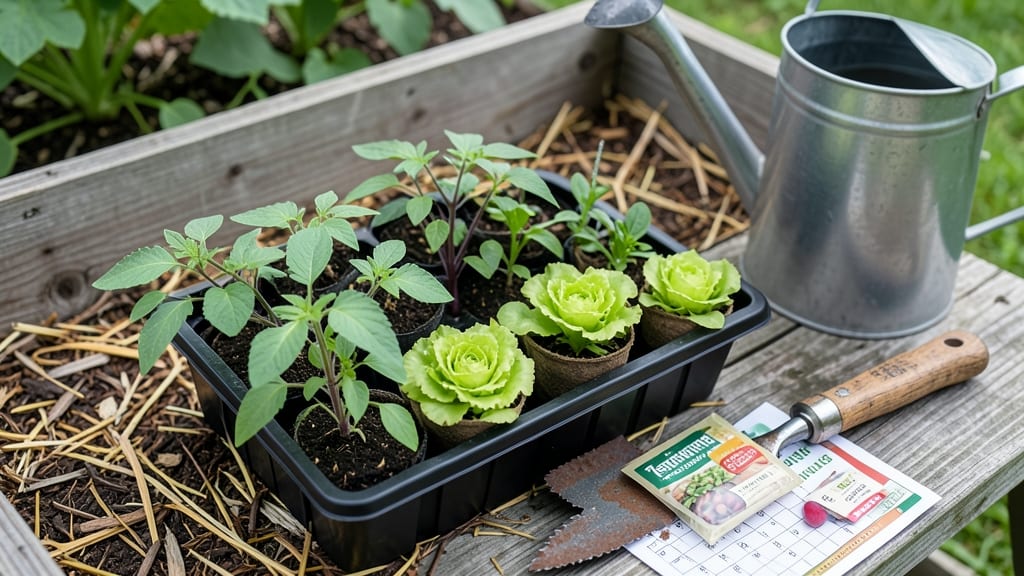
Planting a garden in Tennessee at the right time means the difference between a bountiful harvest and a sad, frost-nipped disappointment.
Tennessee’s diverse climate—from the Appalachian Mountains to the Mississippi Delta—means your garden’s success hinges on timing. Plant too early, and frost will wipe out your hard work; wait too long, and you’ll miss peak harvests.
Most General Garden Plants 🌱 thrive when soil temperatures hit 60°F and the risk of frost has passed, which typically lands in mid-to-late March for most of the state.
But that’s just the start—regions like East Tennessee can wait until early April, while West Tennessee might be ready as early as late February.
In this guide, I’ll break down the exact frost-free windows by county, share pro tips for adjusting to Tennessee’s unpredictable weather, and help you plan for year-round harvests—whether you’re a beginner or a seasoned gardener.
Tennessee’s last-frost dates by region: critical planting windows for vegetables
Tennessee’s USDA Hardiness Zones 6a-7b create a diverse planting timeline across its three main regions: East (mountains), Middle (valleys), and West (Delta). Knowing your last-frost date is critical—it determines whether your broccoli bolts or your tomatoes thrive.
East Tennessee’s high elevations often see frost 2-3 weeks later than West Tennessee’s lowlands, where heat arrives earlier.
The average last-frost dates range from mid-March in Memphis to late April in the Smokies. These dates separate cool-season crops (like spinach and kale) from warm-season plants (like peppers and squash).
Urban areas like Nashville may experience microclimates with earlier warming due to concrete heat absorption, while rural areas stay cooler longer.
Here’s your region-by-region breakdown of last-frost dates, tailored for vegetable gardeners. Use these windows to align planting with soil temperatures—most warm-season crops need 60°F+ soil, while cool-season crops tolerate 40°F+.
For cool-season crops, plant spinach and broccoli as soon as soil is workable—typically 4-6 weeks before your last frost. In East Tennessee, this means mid-March for early varieties, while West Tennessee gardeners can start as early as February.
Use row covers to extend the season by 2-3 weeks if frost threatens.
Warm-season crops like tomatoes and peppers demand patience. Wait until 2 weeks after your last frost and soil temperatures hit 60°F+. In Memphis, this is often mid-April, but in the Smokies, it may not arrive until early June. Start seeds indoors 6-8 weeks before your target planting date to beat the rush.
Urban gardeners in cities like Nashville or Chattanooga may experience earlier soil warming due to pavement and buildings. Test soil temperatures with a soil thermometer—warm-season crops won’t germinate below 55°F. Rural areas, especially in the Cumberland Plateau, stay cooler longer, so plan accordingly.
Pro tip: Succession planting maximizes yields. After harvesting early bush beans in June, replant with carrots or radishes for a fall crop. In West Tennessee, you can even squeeze in a late-summer planting of lettuce for a fall harvest before frost.
Don’t forget USDA Zone 7a pockets in Tennessee (like Shelby Forest) can have unpredictable late frosts. Monitor local weather forecasts and use frost cloth for sensitive seedlings. With these region-specific windows, you’ll avoid the heartbreak of frost-nipped zucchini or bolting kale.
For a year-round harvest, pair spring crops with fall plantings. In East Tennessee, plant broccoli in early September for a winter harvest, while West Tennessee gardeners can extend tomato season with late-July transplants. The key? Know your frost dates and adapt your schedule.
🌱
How to adjust planting times for Tennessee’s unpredictable weather patterns
Tennessee’s weather can shift faster than a spring breeze, leaving gardeners scrambling to protect tender seedlings from late frosts or sweltering summer heat. The key to success lies in flexibility—using 10-year frost averages as a guide while staying alert to real-time forecasts.
I’ve learned that even a single night of 28°F can devastate young plants, so I adjust my timeline based on microclimates, elevation, and urban heat islands.
Start by checking the Tennessee State University Extension frost maps, which show last-frost dates ranging from early March in Memphis to late April in the Appalachians. But don’t rely solely on averages—pair them with local weather apps like AccuWeather or the National Weather Service for real-time updates.
For example, my East Tennessee garden in Knoxville often gets a late frost in early May, so I delay planting tomatoes until after Mother’s Day.
- 1. Extend the season with row covers: Use lightweight floating row covers to protect seedlings from light frosts (28-32°F). I’ve successfully grown spinach and lettuce 2-3 weeks earlier by covering them until mid-April.
- 2. Choose frost-tolerant varieties: Opt for cold-hardy plants like kale, Swiss chard, and peas, which can handle 20-25°F temperatures. These thrive in early spring when other crops would fail.
- 3. Prep soil and seedlings early: Start seedlings indoors 6-8 weeks before your last frost date, and prepare garden beds by adding compost and mulch in late winter to warm the soil faster.
- 4. Monitor soil temperature: Use a soil thermometer to ensure it’s at least 60°F before planting warm-season crops like tomatoes and peppers. In my Middle Tennessee garden, this often means waiting until late April.
- 5. Adjust for microclimates: South-facing slopes warm up faster than shaded areas. I plant heat-loving crops like okra and sweet potatoes on sunny hillsides 1-2 weeks earlier than in low-lying spots.
- 6. Use succession planting: Sow fast-growing crops like radishes and bush beans every 2 weeks to ensure a continuous harvest, even if early plantings fail due to frost.
- 7. Have a backup plan: Keep row covers, cold frames, or a greenhouse on hand for unexpected frost warnings. I’ve saved entire plantings of cucumbers and squash by covering them overnight.
Another trick I’ve picked up is planting warm-season crops like eggplants and peppers in black plastic mulch to raise soil temperatures by 5-10°F. This lets me start them 10-14 days earlier than traditional planting times.
For cool-season crops, I direct-sow hardy greens like collards and arugula in late summer for a fall harvest, knowing they’ll tolerate light frosts.
Don’t forget to harden off seedlings gradually if you’re transplanting from indoors. Acclimate them to outdoor conditions over 7-10 days by exposing them to increasing sunlight and wind. This reduces shock and improves survival rates, especially in Tennessee’s unpredictable spring transitions.
I also keep a garden journal to track when I plant and harvest each year, adjusting my timeline based on past successes and failures.
When all else fails, remember that Tennessee’s fall planting window can be just as productive as spring. I’ve had incredible success with broccoli, carrots, and garlic planted in August and September, harvesting them before the first hard frost in October.
With these strategies, you’ll turn Tennessee’s weather quirks into opportunities, not obstacles.