
Planting
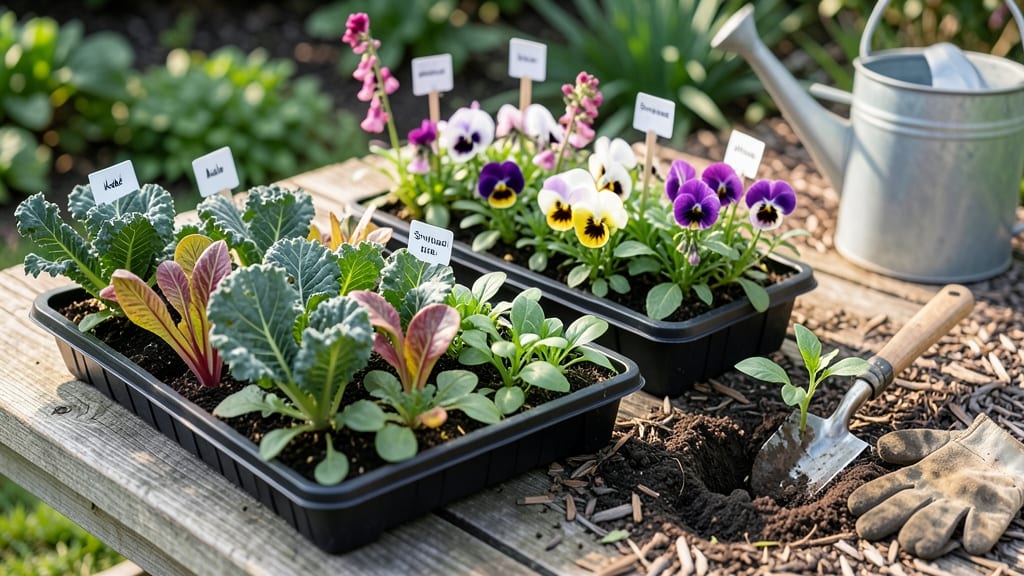
Planting a garden in Wisconsin at the right time means the difference between a thriving harvest and a frozen disappointment.
Wisconsin’s unpredictable frost dates can make or break your garden—plant too early, and your seedlings will freeze; too late, and you’ll miss peak harvests. Get the exact frost-free deadlines for your region to maximize your garden’s success.
Whether you’re sowing cool-season crops like spinach or waiting for the soil to warm up for tomatoes, timing is everything. The average last frost date shifts from early May in southern Wisconsin to late May in the north, but Mother Nature doesn’t always follow the calendar.
In this guide, I’ll break down the best planting windows by crop, share Wisconsin-specific tips for adjusting to late frosts, and help you plan for a garden that grows strong from spring through fall.
Wisconsin’s frost-free dates by region: when to plant cool vs warm-season crops
Wisconsin’s frost dates vary dramatically by region, with Southern Wisconsin often seeing its last frost by mid-April while Northern Wisconsin can wait until late May. These differences mean your planting schedule should shift based on where you live—getting it wrong can mean lost seedlings or missed harvests.
Understanding your frost-free zone is the first step to a thriving garden.
For cool-season crops like spinach, peas, and kale, timing is critical—they thrive in cooler temperatures and can even handle light frosts. Meanwhile, warm-season crops such as tomatoes, peppers, and cucumbers need consistent warmth and won’t tolerate frost.
Knowing your region’s average last frost date helps you plan when to start seeds indoors or directly sow outdoors.
Southern Wisconsin (e.g., Milwaukee, Madison) typically has its last frost around April 15-30, while Central Wisconsin (e.g., Wausau, Stevens Point) averages May 1-15. Northern Wisconsin (e.g., Green Bay, Eau Claire) often waits until May 15-30. These dates are averages, though—always be prepared for surprises!
Historical data from the Wisconsin State Climatology Office shows that late frosts can occur as late as May 15 in Southern Wisconsin and even June 1 in the North. Using frost-sensitive plants like tomatoes as a guide, wait until after your region’s last frost date to plant them outdoors.
Here’s a quick reference for your planting strategy: Cool-season crops should go in 4-6 weeks before your last frost, while warm-season crops need to wait until 2 weeks after your last frost.
For example, if your last frost is May 1, plant peas by April 1 and tomatoes by May 15.
If you’re growing cool-season crops, start seeds indoors 6-8 weeks before your last frost or sow directly outdoors 4 weeks before. For example, in Southern Wisconsin, sow spinach by March 15 for a spring harvest.
In Northern Wisconsin, wait until April 15 to avoid frost damage. These crops handle light frosts, but a hard freeze will kill them.
For warm-season crops, wait until soil temperatures reach at least 50°F (10°C) and the risk of frost has passed. In Southern Wisconsin, this is typically by May 1, while in the North, it might not happen until June 1.
Use row covers or greenhouses to extend the season if needed.
Pro tip: Use frost cloths to protect tender seedlings if late frosts are forecasted. These lightweight covers can raise temperatures by 5-10°F (3-6°C), giving your plants a fighting chance. Monitor your local weather forecasts and adjust your planting schedule accordingly—Wisconsin’s weather is famously unpredictable!
Remember, these are averages, not guarantees. Always have a backup plan, like a greenhouse or cold frame, to safeguard your garden investments. With the right timing, you’ll enjoy a bountiful harvest of both cool- and warm-season crops all summer long.
🌱
Best planting schedule for Wisconsin’s most popular vegetables and herbs
Wisconsin’s gardening season is short but sweet—knowing the perfect planting times for your favorite crops means the difference between a bountiful harvest and a sad, frost-bitten disappointment. I’ve planted potatoes, basil, and zucchini for years in Wisconsin, and these timelines have become my gardening Bible.
Let’s break down when to plant each crop for maximum success, including my favorite tricks for succession planting and stretching the season.
For Wisconsin gardeners, timing is everything. The last frost date varies by region—typically mid-May in southern Wisconsin and late May to early June in the north. I always check the UW Extension frost date maps to adjust my schedule.
Cool-season crops like lettuce and peas can handle light frosts, while warm-season crops like beans and basil need to wait until the soil is warm and all danger of frost has passed.
Start basil, tomatoes, and peppers indoors 6-8 weeks before last frost. Use grow lights if natural light is limited.
Plant potatoes as soon as soil is workable (40°F). Add lettuce, spinach, and peas 2-4 weeks before last frost.
Transplant tomatoes, peppers, and basil after last frost. Direct-sow beans, corn, and zucchini when soil reaches 60°F.
Sow lettuce, radishes, and bush beans every 2 weeks for continuous harvests. Add fall basil for late-season flavor.
My potatoes are always the first crop in the ground. I plant them in early April as soon as the soil is workable, often covering them with straw to protect against late frosts.
For lettuce, I use succession planting—sowing seeds every 2 weeks from April through July to ensure a steady supply. This works especially well for buttercrunch and romaine varieties, which bolt quickly in Wisconsin’s heat.
Warm-season crops like zucchini and basil need to wait until the soil is warm. I test soil temperature with a thermometer—60°F or higher is ideal for these plants. I also use black plastic mulch to warm the soil faster and keep weeds at bay.
For basil, I plant it in late May and again in early July for a fall harvest, always choosing compact varieties like Genovese or Sweet Basil that handle Wisconsin’s humidity.
Extending the season is key in Wisconsin. I use row covers to protect lettuce and spinach into October and even plant hardy kale in early summer for fall harvests. For beans, I choose bush varieties like Blue Lake that mature quickly (50-60 days) to beat the first frost.
And don’t forget herbs—parsley and cilantro thrive in cooler weather, so I plant them in early spring and again in late summer.
Pro tip: Keep a gardening journal to track your planting dates and note any adjustments for future years. Wisconsin’s weather is unpredictable, so what works one year might need tweaking the next.
With these timelines, you’ll be well on your way to a productive garden that makes the most of Wisconsin’s growing season. Happy planting! 🌱