
Planting
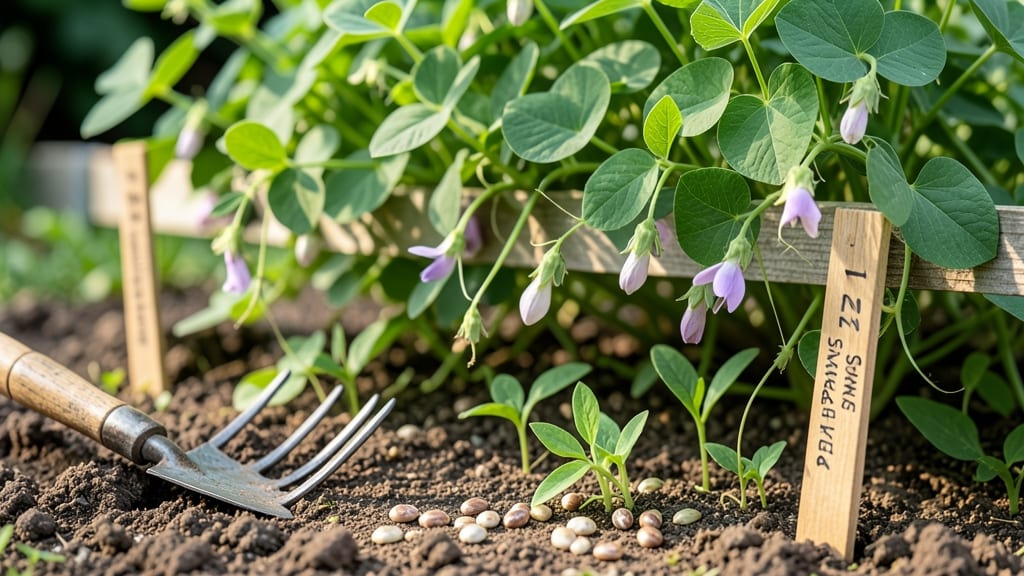
To plant garden peas at the right time means catching that sweet spot between frost and heat—early spring or late summer—when fast germination and strong yields are guaranteed.
Struggling to grow garden peas that thrive from seed to harvest? Timing is everything—plant too early, and they’ll rot; too late, and pests take over. The secret lies in understanding peas’ cold-hardy nature and how to leverage it for fast, reliable germination.
In zones like 6a, where frost lingers until mid-April, peas love the cool soil of March or early April. But don’t stop there—late summer (August-September) offers a second chance for a fall harvest before the first frost hits.
Here’s how to pinpoint the perfect window for your region, avoid common mistakes, and keep your peas thriving from seed to pod.
Best planting times for garden peas by climate zone
Garden peas are one of the most cold-hardy vegetables you can grow, thriving in cool spring and fall temperatures that would stop many other plants.
The key to success lies in planting them at the right time for your USDA climate zone, ensuring they germinate quickly and avoid summer heat stress.
In northern zones (2-5), you can often start as early as late winter, while southern growers (zones 8-10) should focus on fall planting to escape summer heat.
Peas tolerate light frosts down to 20°F (-7°C), making them ideal for early spring sowings. However, planting too early in waterlogged soils can cause rot, while waiting too long risks aphid infestations and poor yields.
The best approach varies by region—Pacific Northwest growers might plant in February-March, while Deep South gardeners should aim for September-October plantings. Let’s break down the optimal windows for each zone.
In USDA zones 2-4, where winters are long and harsh, gardeners can take advantage of peas’ early germination by planting as soon as the soil is workable (around 35-40°F / 2-4°C).
Varieties like 'Green Arrow' or 'Little Marvel' are excellent choices for these zones, as they mature quickly before summer heat sets in. For Pacific Northwest growers, the mild, wet winters create ideal conditions for February-March plantings, often yielding harvests by late spring.
For zones 5-6, the window narrows slightly due to earlier warming. Plant early varieties like 'Alaska' or 'Telephone' in April to avoid the rush of summer pests. If you miss the spring window, a late summer planting (around July-August) can still produce a fall crop before frost.
The key is to keep seeds consistently moist during germination,
How to time pea planting for fast germination and pest avoidance
Garden peas are one of the easiest vegetables to grow, but their success hinges on perfect timing. Unlike heat-loving crops, peas thrive in cool soil temperatures between 40°F and 85°F—a window that requires strategic planning.
Plant too early, and cold, wet soil can cause rot or slow germination; too late, and you’ll battle aphids and pea weevils that swarm as temperatures rise. The key is leveraging peas’ cold tolerance while outsmarting pests.
I’ve learned through trial and error that soil temperature is more critical than air temperature. A soil thermometer is your best friend—wait until the ground reaches at least 40°F for consistent germination.
In my USDA Zone 6a garden, this usually means planting by mid-March for early spring harvests or late August for fall crops. But regional adjustments are everything!
- 1 Soil Temp Check: Plant when soil hits 40-50°F—use a soil thermometer to avoid guesswork. Early spring or late summer are ideal.
- 2 Pest-Proof Pairings: Interplant with onions, garlic, or radishes to repel aphids and pea weevils. Avoid planting near beans or tomatoes, which attract shared pests.
- 3 Succession Planting: Stagger plantings every 2 weeks in spring/fall to extend harvests. In my garden, this means 3 rounds in spring and 2 in fall, keeping pests from overwhelming one batch.
- 4 Heat Escape Hacks: If summer heat arrives, opt for shade-loving varieties like ‘Oregon Sugar Pod’ or use row covers to keep soil cool. Never plant when soil exceeds 85°F.
Companion planting is my secret weapon against pests. Peas are magnets for aphids and pea weevils, but pairing them with onions, garlic, or herbs like thyme creates a natural deterrent.
Last year, my pea patch stayed aphid-free by planting radishes between rows—the radishes’ sharp scent confuses pests. Just avoid planting near beans or tomatoes, which share diseases like blight.
Succession planting is another game-changer. Instead of one massive planting, I sow seeds every 2 weeks in spring and fall. This keeps my harvests steady and prevents pest outbreaks by ensuring no single batch becomes a buffet.
For example, my first March planting yields peas by May, while the second round in April ripens in June—just as the first batch finishes. The same strategy works in fall: August and September plantings give me two harvests before frost.
Don’t let summer heat derail your plans. Peas hate extreme heat, so if your region’s soil warms above 85°F, switch to heat-tolerant varieties like ‘Tom Thumb’ or use lightweight row covers to shield seedlings.
I’ve also had success growing peas under partial shade from taller plants like corn or sunflowers. Just ensure they still get 4-6 hours of sunlight daily.
Timing peas right isn’t just about the calendar—it’s about reading your soil and outsmarting pests. With these strategies, you’ll enjoy fast germination, pest-free plants, and a long harvest window. Happy planting—your future pea pods will thank you! 🌱