
Pruning
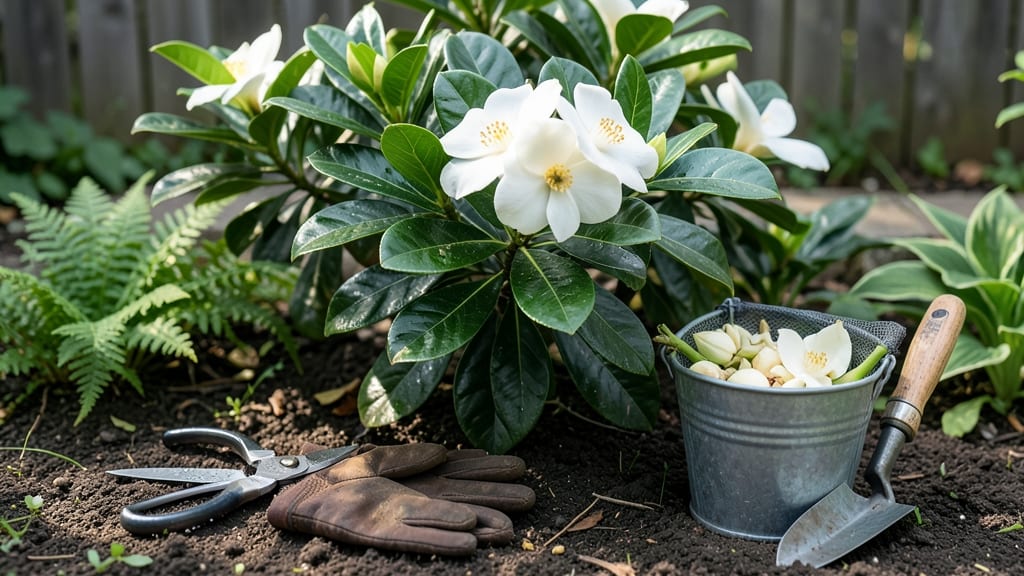
Pruning gardenias in Georgia unlocks fragrant spring blooms and keeps your 🌸 shrubs healthy, but timing is everything.
Picture this: You’ve waited all winter for your gardenias to burst into bloom, only to find leggy branches and sparse flowers because you pruned at the wrong time. Georgia’s humid climate means one misstep can invite fungal infections or shock your plant into dormancy.
The key is late winter—after the last frost but before new growth kicks in. This 2-week window in March (right after Georgia’s average last frost date) gives your gardenias time to heal before summer’s heat arrives.
In this guide, I’ll walk you through the exact steps to prune your gardenias in Georgia, from recognizing the perfect moment to avoiding common mistakes that leave your shrubs stressed. Let’s get those blooms back on track!
Optimal Georgia pruning timeline: late winter vs. early spring risks
Georgia’s humid subtropical climate creates a unique challenge for gardenia pruning. The Piedmont region (USDA zones 7b-8a) has cooler winters, while coastal areas (zones 8b-9a) stay milder—both demand precise timing to avoid frost damage or fungal infections.
Pruning too early risks exposing tender growth to late frosts (March 15 average), while waiting too long lets leggy stems dominate.
Gardenias enter dormancy in late fall, making late winter the ideal window. Look for bud swell (a sign of new growth) but prune before leaves emerge. In Georgia, this typically falls between mid-February and early March, aligning with the last frost date across most regions.
Humidity plays a critical role in post-prune recovery. Georgia’s 90%+ humidity during spring creates a fungal risk if cuts aren’t sealed properly. Always use sterilized shears and apply pruning sealant to larger wounds. The 45-degree angle cut just above a leaf node promotes faster healing in our damp climate.
Microclimate matters: Coastal gardenias (zones 8b-9a) can tolerate slightly earlier pruning (late January), while Piedmont plants (zones 7b-8a) should wait until after February 15. Check your local frost data—the University of Georgia Extension provides zone-specific forecasts.
| Region | USDA Zone | Prune Window | Key Cue | Risk if Pruned Early |
|---|---|---|---|---|
| Coastal Georgia | 8b-9a | Late Jan - Early Feb | Bud swell begins | Fungal infections |
| Piedmont Georgia | 7b-8a | Mid-Feb - Early March | No leaf emergence | Frost damage |
| North Georgia Mountains | 6b-7a | Late March - Early April | First blooms appear | Leggy growth |
The science behind dormancy explains why timing matters. Gardenias store energy reserves during winter, and pruning too early depletes these reserves before spring growth. Aim to remove no more than 25% of foliage—this stimulates compact growth and heavier blooming in Georgia’s heat.
After pruning, monitor for new shoot emergence within 2-3 weeks. If growth stalls, your cuts may be too severe. Georgia’s heat accelerates recovery, but consistent moisture (1-2 gallons weekly) prevents stress. Avoid over-fertilizing post-prune—wait until late spring to apply acid-loving fertilizer (6-6-6 NPK).
One common mistake? Pruning after flowering. While this works in cooler climates, Georgia’s humid summers make post-bloom pruning risky—it invites powdery mildew. Instead, prune late winter to shape the plant before the flowering cycle begins, ensuring stronger stems for summer blooms.
Pro tip: Use a moisture meter to check soil conditions. Gardenias in Georgia need consistently moist (not soggy) soil post-prune. Mulch with pine straw to maintain acidic soil pH (5.0-6.0) and reduce evaporation during our hot springs.
Remember, Georgia’s microclimates create local variations. If you’re in Savannah (zone 8b), prune 2 weeks earlier than someone in Athens (zone 8a). Always check local weather forecasts for last frost dates—this is your green light to prune.
Timing your gardenia pruning to late winter isn’t just about aesthetics—it’s about survival in Georgia’s climate. By following these region-specific cues and humidity adaptations, you’ll transform leggy shrubs into fragrant, bushy beauties ready for summer blooms. 🌸
Step-by-step pruning guide: how to revive gardenias without killing blooms
Pruning gardenias in Georgia isn’t just about cutting back—it’s about revitalizing your shrubs while protecting next year’s blooms. The right technique ensures your gardenias stay compact, healthy, and overflowing with those iconic white, fragrant flowers.
But one wrong move can shock your plant or invite pests. Let’s break it down into simple, foolproof steps tailored for Georgia’s climate.
First, gather your tools: sharp bypass pruners, a sterilized saw for thicker branches, and rubbing alcohol to wipe blades between cuts. Disinfecting tools prevents spreading fungal diseases common in Georgia’s damp air.
Next, focus on two key goals: removing dead or crossing branches and shaping the shrub to encourage airflow. This reduces humidity-related issues like powdery mildew, which thrives in Georgia’s summers.
Step-by-Step Pruning Guide for Georgia Gardenias
- 1 Wait for the right time: Prune in late February to early March, after Georgia’s average last frost date (typically March 15). Look for dormant buds but no new growth—this signals your gardenia is ready.
- 2 Remove dead or diseased branches: Cut back any brown, crisscrossing, or weak stems at the base. These branches drain energy and invite pests. Use sterilized tools to prevent contamination.
- 3 Shape for airflow: Thin out overcrowded areas by cutting branches back to 1/4-inch above a bud or outward-facing growth. Aim for a rounded shape to reduce humidity buildup in the center.
- 4 Make clean cuts: Always cut at a 45-degree angle just above a leaf node or bud. Avoid leaving stubs, which attract disease. For thicker branches, use a sterilized saw to prevent tearing.
- 5 Deadhead spent blooms: After flowering season (late summer), remove faded flowers by cutting the stem back to the nearest leaf node. This redirects energy to new growth for next year’s blooms.
- 6 Fertilize lightly post-prune: Apply a high-phosphorus fertilizer (like 6-6-6) in early April to support new growth. Avoid heavy feeding immediately after pruning—it can shock the plant.
- 7 Mulch and water: Add 2-3 inches of mulch around the base to retain moisture and regulate soil temperature. Water deeply once a week in Georgia’s dry springs to encourage root growth.
After pruning, monitor your gardenias for signs of stress, like yellowing leaves or wilting. If you see these, your plant may need more time to recover or a light feeding with an acid-loving fertilizer (like azalea food).
Georgia’s humidity can also slow healing, so avoid pruning during rainy periods—wait for dry, mild days to minimize fungal risks.
Pro tip: Take before-and-after photos of your gardenia’s structure. This helps you track progress and spot areas needing more attention next year. With this method, your gardenias will reward you with fuller blooms and healthier growth—all while thriving in Georgia’s challenging climate. 🌸