
Tools
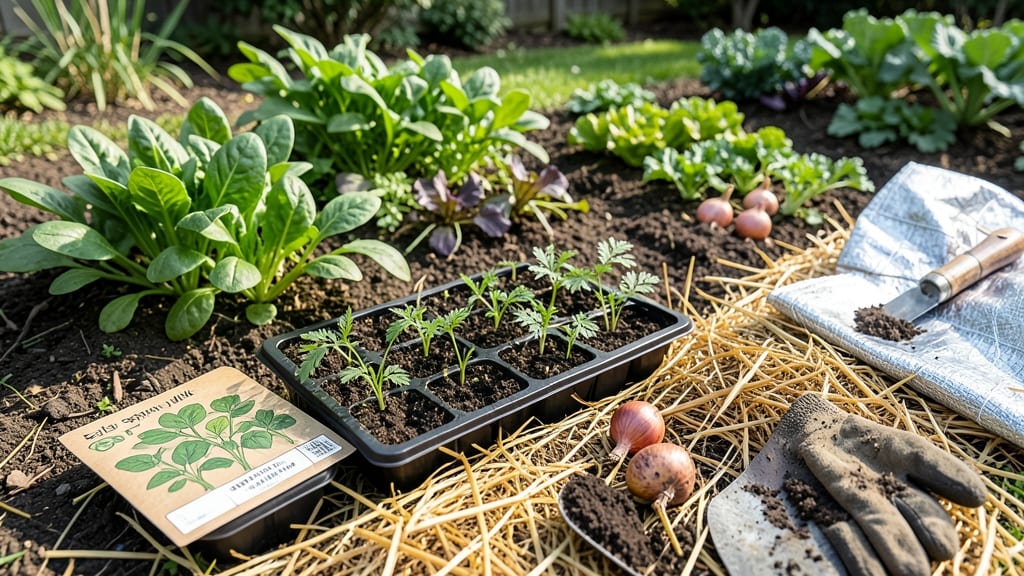
To start a garden in Michigan, time your planting by zone: cool-season crops like lettuce and peas go in after the last frost (mid-April to early May in most areas), while warm-season crops like tomatoes and peppers wait until soil hits 60°F (late May to early June). Always check local frost dates for the most accurate timing.
Michigan's planting windows vary dramatically between the Upper and Lower Peninsulas, with the Upper Peninsula often facing frost 2-3 weeks later due to its northern location. 🌱 For example, while Detroit gardeners might plant peas in early April, those in Marquette should wait until late April or early May.
Microclimates—like south-facing slopes or urban heat islands—can also shift your ideal planting window by 1-2 weeks, so always scout your specific yard before committing to a schedule.
Beyond frost dates, soil temperature is your second critical factor. Warm-season crops like peppers and cucumbers won't germinate properly until the soil reaches 60°F, which typically happens in late May for most of the state.
I recommend using a soil thermometer to verify—this simple tool can save you from wasted effort on slow-starting seeds. Pro tip: Cover young plants with row fabric if an unexpected frost threatens, giving them a few extra degrees of protection.
💡 In This Article
- Michigan’s Frost Dates and Planting Zones
- Step-by-Step Guide to Michigan Garden Planning
Michigan’s frost dates and planting zones
Michigan spans USDA Plant Hardiness Zones 4b-6a, which means frost dates can shift dramatically between regions.
The Lower Peninsula generally experiences its last spring frost between April 15 and May 10, while the Upper Peninsula often waits until May 10-25—sometimes even later in high-elevation areas like the Keweenaw Peninsula.
This 2-3 week difference means gardeners in Traverse City can plant spinach in early April, while those in Sault Ste.
Marie should wait until mid-May to avoid frost damage. 🌿 The Upper Peninsula’s cooler climate also extends the first fall frost later into October, giving gardeners an extra 10-14 days of growing season compared to southern Michigan.
The science behind these dates lies in Michigan’s latitude and lake effects. The Great Lakes moderate temperatures—southern regions warm faster in spring due to lake breezes, while northern areas stay colder longer.
Microclimates add another layer: a south-facing slope can warm 5-10°F warmer than a north-facing yard, allowing early planting of heat-loving crops like basil. Conversely, low-lying areas near water may experience late frosts even after surrounding regions have warmed.
To account for this, I recommend testing your microclimate by planting a frost-sensitive crop like marigolds in early April—if they survive, your zone is likely warmer than average.
Soil temperature is equally critical. While air temperature might feel spring-like, the ground often lags behind. Warm-season crops like tomatoes need soil at 60°F+ to germinate properly, which typically occurs 2-3 weeks after the last frost date.
In northern Michigan, this might not happen until early June, while southern regions can reach it by late May. A simple soil thermometer (around $15) reveals the truth—bury it 2 inches deep in a sunny spot for the most accurate reading.
Pro tip: Black plastic mulch can raise soil temperatures by 5-10°F, giving you an earlier start for heat-loving plants.
For precision planning, use Michigan State University’s Frost-Free Date Calculator (available online), which factors in your specific ZIP code.
This tool accounts for long-term averages while showing 10-year variability—critical for understanding why your neighbor’s garden thrives while yours struggles. 🌱 For example, 2020 saw an unusually late spring in northern Michigan, with frost dates delayed by 3 weeks in some areas.
Historical data shows these fluctuations happen every 5-7 years, so flexibility is key.
Zone distinctions also affect crop selection. Southern Michigan’s longer growing season allows for double-cropping—planting radishes in early spring, harvesting by June, then replanting with beans. Northern gardeners might only manage one harvest of fast-maturing varieties like ‘Early Wonder’ peas (ready in 55 days).
The Upper Peninsula’s shorter season favors cold-hardy crops like kale and Swiss chard, which tolerate light frosts and extend harvests into October. This regional adaptation explains why seed packets often list both "days to maturity" and "hardiness zones"—both matter equally in Michigan’s varied climate.
Don’t overlook the first fall frost, which typically arrives between September 20 and October 15 in southern Michigan but can linger until October 30 in the north. This date determines when to plant late-season crops like broccoli or when to harvest frost-sensitive plants like basil.
A simple trick: watch local lilac bushes—they bloom around May 10-20 in most of Michigan, signaling safe soil temperatures for warm-season planting. Conversely, when maple leaves turn color (usually late September), it’s time to pull tender annuals or protect them with row covers.
For maximum success, combine frost dates with moon phases—planting cool-season crops during the waxing moon (when roots grow downward) and warm-season crops during the waning moon (when foliage thrives). This ancient practice aligns with Michigan’s natural cycles, giving your garden an extra 10-15% yield boost when timed correctly.
Pair this with a 3-year planting journal to track your microclimate’s unique patterns—what works in one yard may fail just a mile away due to elevation or wind exposure.