
Tools
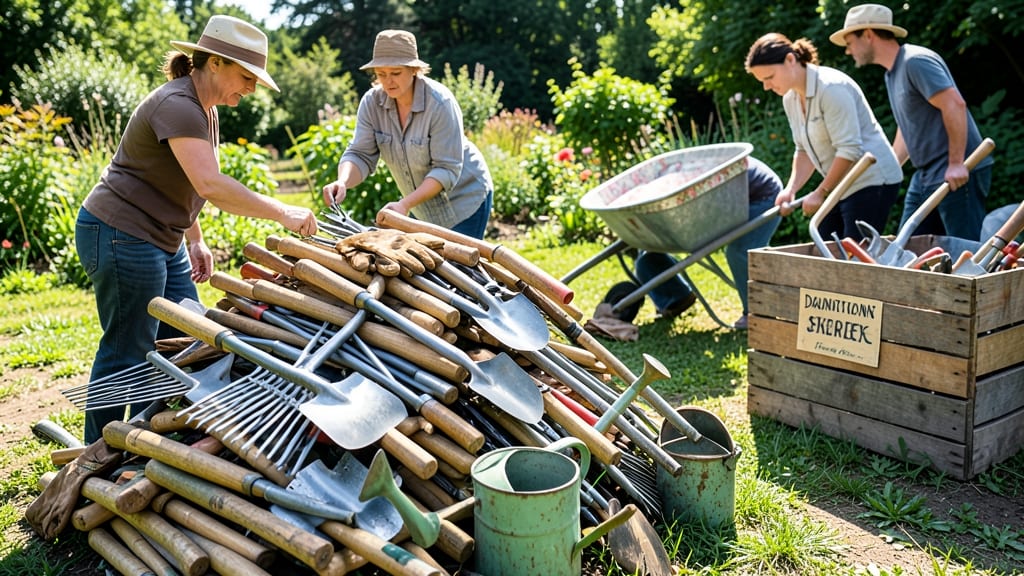
To donate garden tools, consider local hardware stores like Home Depot or Lowe’s, community gardens, Habitat for Humanity ReStores, or nonprofits like Freecycle and Buy Nothing groups. Always call ahead to confirm their acceptance policies and tool conditions.
Finding the right place to donate garden tools depends on where you live and what type of organization you prefer. 🌱 Many hardware stores like Home Depot and Lowe’s accept gently used tools for resale or recycling, while community gardens often need specific items like pruners or trowels for volunteers.
Habitat for Humanity ReStores provide a structured way to donate, ensuring tools go to those in need. Online platforms like Freecycle or Buy Nothing groups expand your reach, especially if you’re in a rural area where local options are limited.
The key is checking each organization’s guidelines first—some may require tools to be clean, functional, and properly packaged.
Before donating, take a few minutes to inspect and prep your tools. Remove rust with steel wool, sharpen blades, and check for broken handles or missing parts. 🔧 Group similar tools together and label them if possible—this makes it easier for recipients to sort and use them.
If you’re donating to a thrift store or hardware chain, call ahead to ask about their pickup policies, as some may only accept drop-offs. For online groups, take clear photos of the tools’ condition to attract serious takers quickly.
💡 In This Article
- Best Places to Donate Garden Tools Near You
- How to Prepare Garden Tools for Donation
Best places to donate garden tools near you
Hardware stores like Home Depot and Lowe’s often have donation programs designed specifically for garden tools. These retailers typically accept tools in functional condition, though they may refuse heavily rusted or damaged items.
For example, Home Depot’s "Tool Donation Program" accepts hand tools, pruners, and even power tools if they’re in working order. 🔧 The process usually involves dropping off tools at the store’s donation bin or scheduling a pickup—just confirm their current policies, as some locations may have changed their guidelines due to high donation volumes.
Community gardens are another excellent option, especially if you have specific tools like pruning shears, trowels, or hoes. Many urban and suburban gardens rely on donated tools for volunteers who may not own their own.
A quick call to your local garden’s coordinator can reveal their needs—some may prioritize lightweight tools for easy transport, while others need heavy-duty equipment for large-scale projects. Rural gardens might also partner with local farms, creating a network where tools circulate among multiple users.
Always ask about storage conditions, as some gardens have limited space for bulkier donations.
Habitat for Humanity ReStores stand out for their structured approach to tool donations. These thrift stores sell donated items to fund affordable housing projects, and garden tools are always in demand.
ReStores typically accept tools in any condition, though they’ll repair or resell them as-is. 🏡 The benefit here is knowing your donation directly supports a meaningful cause. Many ReStores offer free pickup for larger donations, making it convenient for those with a garage full of old tools.
Urban ReStores often have higher capacity, while rural locations may require more advance notice for pickups.
Online platforms like Freecycle and Buy Nothing groups expand your donation’s reach, especially in areas with limited local options.
These communities thrive on local giving, where neighbors connect to exchange items for free. 🌐 For garden tools, clear photos and detailed descriptions—such as "sharp pruners, no rust, great condition"—attract serious takers quickly.
Urban areas often have active groups with hundreds of members, while rural regions may have smaller but tightly knit communities. Always specify if tools require assembly or cleaning, as this sets clear expectations for recipients.
For those in rural areas, check with local agricultural extensions or farming co-ops. These organizations often connect donors with farmers or homesteaders in need of tools.
Some even offer tax deductions for donations, though policies vary by state. 🌾 A quick search for "farm tool donation [your state]" can reveal regional programs. Always verify whether the organization provides pickup, as rural routes can be less frequent than urban services.
Before finalizing your donation, consider the tool’s condition and the recipient’s needs.
A rusted trowel might not be useful to a community garden, but a sharp pair of pruners could be a game-changer. 💡 Packaging tools in sturdy boxes with protective padding—like bubble wrap for blades—ensures they arrive in usable condition.
For online donations, include a note about any quirks, like "requires oiling" or "lightweight but sturdy." This small effort makes the donation process smoother for everyone involved.