
Tools
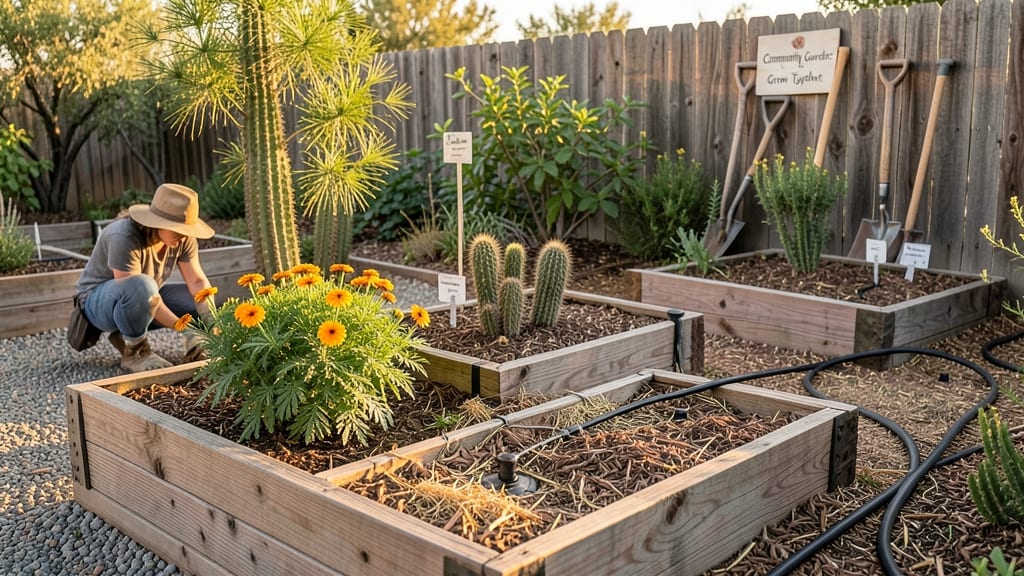
The Vegas Roots Community Garden transforms unused urban spaces in Las Vegas into thriving, free gardening plots that grow fresh produce while building community through shared workshops, seed exchanges, and volunteer programs for all residents.
This initiative turns neglected lots into vibrant growing spaces using drought-resistant plants and smart irrigation to conserve water. 🌱 The garden's mission goes beyond food production—it creates green oases in the city while teaching sustainable practices like composting and water-wise gardening.
Anyone can participate, from beginners to experienced gardeners, with plots tailored to individual needs and skill levels.
What sets Vegas Roots apart is its focus on accessibility and education. 💛 Residents receive free seeds, tools, and training through hands-on workshops covering everything from soil prep to pest control.
The garden also hosts community harvest events where neighbors share their bounty, reinforcing the spirit of collaboration that defines this program.
💡 In This Article
- How Vegas Roots Transforms Urban Spaces into Edible Gardens
- Eligibility and Application Process for Joining Vegas Roots
How Vegas Roots transforms urban spaces into edible gardens
The Vegas Roots program starts by identifying underutilized urban spaces—often vacant lots or parking strips—that lack greenery. These areas, typically 500-2,000 square feet, are transformed into productive gardens using a multi-phase approach.
First, crews remove invasive species and debris, then enrich the soil with compost made from local green waste. This process mimics natural ecosystem restoration, where native plants like desert marigolds and cholla bushes are reintroduced to stabilize the soil and attract pollinators.
Water conservation is central to their design. Each plot uses drip irrigation systems that deliver water directly to plant roots, reducing evaporation by up to 60% compared to traditional sprinklers.
The system operates on a timer to match Las Vegas' 105-115°F daytime temperatures, ensuring plants receive just 1-2 gallons per square foot per week—a fraction of what traditional gardens consume.
Raised beds, often constructed from recycled wood, elevate growing areas to prevent soil compaction from foot traffic and improve drainage in the city's alkaline soil.
The physical transformation creates more than just gardens—it builds community hubs. Each site includes shaded seating areas with picnic tables made from reclaimed materials, and communal tool stations stocked with everything from pruners to wheelbarrows.
The garden's layout follows permaculture principles, with taller plants like sunflowers placed on the north side to provide shade for shorter crops. This intentional design reduces heat stress on plants while creating inviting spaces for neighbors to gather, cook, and share meals made from their harvests.
What makes this approach unique is the integration of technology with traditional gardening. Many plots feature soil moisture sensors connected to a central app that tracks water usage and plant health. Volunteers receive alerts when irrigation needs adjustment, and the data helps refine watering schedules for different seasons.
This smart system ensures even beginners can maintain thriving gardens without guesswork. The program also partners with local universities to test drought-resistant crop varieties, like amaranth and quinoa, that thrive in Nevada's climate while providing high nutritional yields.
Beyond the practical benefits, the physical transformation has measurable environmental impacts. Studies show that urban gardens can reduce the "heat island effect" by 2-4°F in surrounding areas, lowering energy costs for nearby homes.
The native plants selected for Vegas Roots also support local wildlife, with plots attracting 12+ species of pollinators within the first growing season. This ecological boost creates a self-sustaining system where human activity enhances biodiversity rather than depleting it.
The most inspiring aspect is how these gardens become living classrooms. Workshops cover everything from compost tea brewing to vertical farming techniques, with hands-on demonstrations that adapt to participant skill levels.
For example, a beginner might learn to grow lettuce in shallow containers, while advanced gardeners experiment with hydroponic basil towers. This tiered approach ensures everyone contributes to and benefits from the garden's success, regardless of their starting knowledge.