
Planting
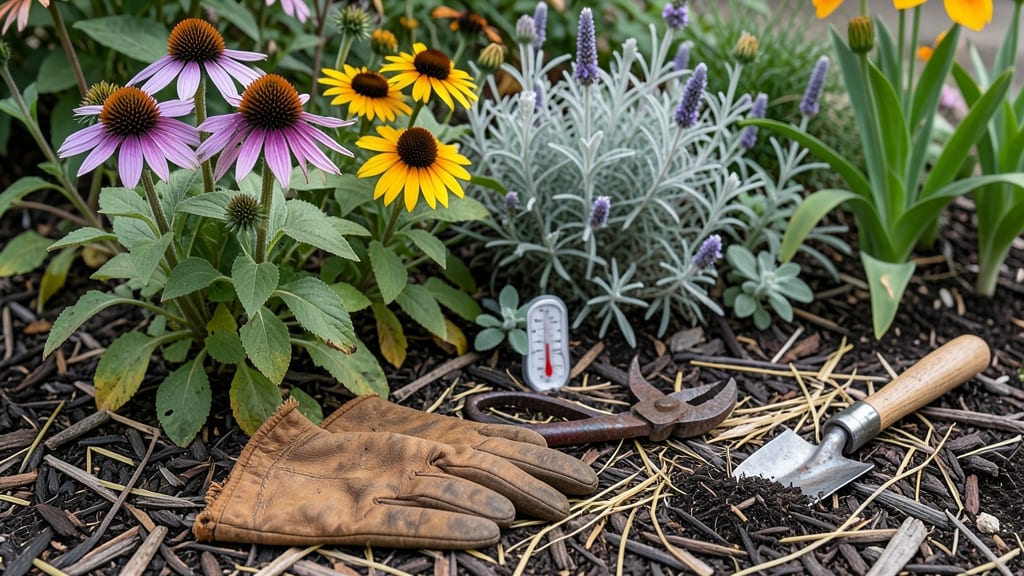
Zone 4 gardening succeeds with frost-hardy perennials like coneflowers, hostas, and Russian sage, plus cold-tolerant annuals such as snapdragons and pansies. Protect plants by mulching heavily, using frost blankets, and choosing varieties bred for subzero temperatures.
Zone 4's harsh winters (-30°F to -20°F) demand smart plant selection and protective strategies. Evergreen shrubs like boxwoods and deep-rooted perennials such as peonies naturally withstand freezing, while mulch layers 3-4 inches thick insulate roots.
I've found that cloche covers can push spring planting dates by 2-3 weeks, and row covers shield tender seedlings from late frosts. The key is balancing hardy plants with temporary protections—think of it like dressing for layers of cold! 🌿
💡 In This Article
- Understanding Zone 4 Plant Hardiness and Cold Tolerance
- Proven Strategies for Extending the Zone 4 Growing Season
Understanding Zone 4 plant hardiness and cold tolerance
The USDA Zone 4 climate is defined by average minimum winter temperatures ranging from -30°F to -20°F, creating a unique set of challenges for gardeners. Plants in this zone must endure prolonged freezing, strong winds, and rapid temperature swings between day and night.
Unlike warmer zones, Zone 4 plants often develop specialized adaptations like waxy leaf coatings or deep root systems that prevent water loss and store nutrients during dormancy.
Botanical traits play a crucial role in survival. For example, evergreen shrubs like boxwoods maintain their leaves year-round, using thick, leathery foliage to minimize moisture loss. Perennials such as peony roots grow 3-4 feet deep, accessing warmer soil layers, while coneflowers produce dense flower heads that trap heat.
These adaptations help plants endure -20°F temperatures without damage, unlike tropical plants that would freeze solid.
Zone 4 presents unique seasonal challenges, particularly late spring frosts that can occur as late as May 15th in many regions. Unlike Zone 7 or 8, where frost dates are more predictable, Zone 4 gardeners must account for 30-50% more frost days annually.
This unpredictability requires strategic planning—like choosing slow-to-emerge perennials or using frost blankets to shield tender seedlings.
Comparing Zone 4 to milder climates reveals stark differences. In Zone 9, for instance, citrus trees thrive year-round, while Zone 4 gardeners must grow cold-hardy alternatives like apricots or hardy kiwi varieties.
The trade-off is that Zone 4 plants often develop stronger structural integrity, with thicker stems and more robust growth habits to withstand harsh conditions.
One of the most critical factors in Zone 4 gardening is soil insulation. A 3-4 inch layer of mulch can raise soil temperatures by 5-10°F, protecting roots from extreme cold.
Organic mulches like straw or wood chips also improve soil structure over time, enhancing water retention—a key advantage in Zone 4's often dry winters.
For those new to Zone 4 gardening, the key takeaway is that plant selection matters as much as technique. Pairing hardy perennials with seasonal protections creates a resilient garden ecosystem.
Think of it like layering clothing: the right combination of cold-resistant plants and protective strategies ensures your garden thrives even in subzero temperatures. 🌱