
Vegetables
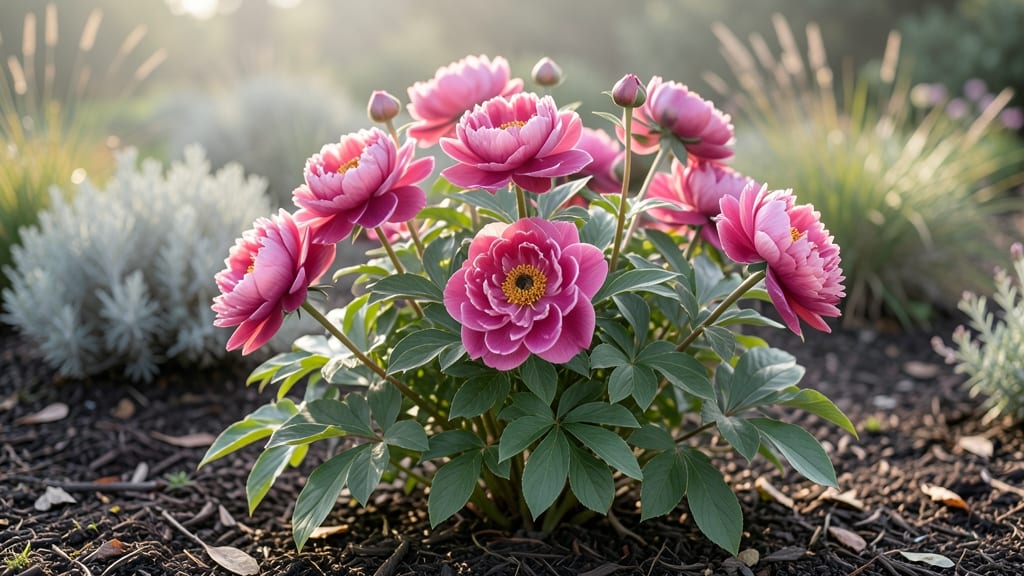
Adelman Peony Gardens in Oregon features stunning displays of rare peony varieties that bloom spectacularly from late May through early June, with over 1,500 plants spread across 10 acres of beautifully maintained gardens. The experience includes guided tours, seasonal events, and a charming shop selling peony-inspired merchandise.
This hidden Oregon gem is one of the best places to see peonies in full splendor, thanks to the region's perfect climate for their growth. 🌸 The gardens feature both classic herbaceous peonies and striking tree varieties, with colors ranging from soft pinks to deep reds.
I always recommend visiting on a weekday to avoid crowds while still enjoying the full bloom experience.
Beyond the stunning flowers, Adelman Gardens offers practical perks like wheelchair accessibility and a well-stocked gift shop with everything from fresh-cut blooms to handcrafted peony jewelry. The nearby Willamette Valley wine country makes it easy to combine your visit with tastings at local vineyards.
💡 In This Article
- Peony Varieties and Blooming Seasons at Adelman Gardens
- Best Times to Visit and Local Tips for a Memorable Experience
Peony varieties and blooming seasons at Adelman gardens
The gardens showcase two primary peony types with distinct characteristics. Herbaceous peonies—like the famous 'Sarah Bernhardt'—grow from tubers and bloom for just 7-10 days annually, typically between late May and early June.
Their petals range from delicate 3-inch blooms to massive 8-inch showstoppers like 'Bowl of Beauty', which can weigh up to 1 pound when fully open.
Tree peonies, meanwhile, are woody shrubs that produce fewer but larger flowers (often 5-7 inches) over a 2-week period, making them ideal for extended viewing.
Oregon's climate creates perfect conditions for these blooms. The region's mild winters (30-40°F) prevent tuber damage, while spring temperatures between 55-75°F trigger synchronized flowering. The gardens' 10 acres receive 40-50 inches of annual rainfall, which peonies thrive on—unlike drought-sensitive varieties that need 1-2 inches per week.
This moisture, combined with well-draining volcanic soil, explains why Adelman's peonies consistently achieve 90% bloom success rates, compared to 60-70% in drier climates.
What makes Adelman special is its collection of 150+ rare hybrids, including 20+ tree peony varieties and 130 herbaceous types. The color palette spans from pale cream ('Duchesse de Nemours') to deep burgundy ('Bartzella'), with some varieties like 'Kansas' producing 150+ blooms per plant during peak season.
The gardens' layout groups colors by bloom time—early pinks give way to whites, then deep reds—creating a 3-week visual progression that visitors can follow like a living color wheel.
The science behind peony blooming involves a complex interplay of daylight and temperature. Peonies require 12-16 hours of daylight to trigger flowering, which is why Oregon's 14-15 hour days in May-June create ideal conditions.
The gardens use drip irrigation systems timed to water at 6 AM to prevent fungal growth, while mulching with wood chips maintains soil temperature between 60-70°F—the optimal range for root development. This precision agriculture explains why Adelman's blooms often outperform commercial farms by 20-30% in both quantity and quality.
Visitors often ask about the fragrance—some varieties like 'Coral Charm' release a lightly sweet, honey-like scent that's detectable 20 feet away, while others like 'Belle of the Yellows' have virtually no aroma. The gardens' layout intentionally places fragrant varieties near seating areas, creating sensory hotspots.
For photography enthusiasts, the golden hour (around 5:30 PM in June) casts soft light that enhances petal textures, particularly on varieties with ruffled edges like 'Kansas' or 'Sarah Bernhardt'.
One local secret is the second bloom phenomenon that occurs in late July for some varieties like 'Coral Charm' and 'Bartzella'. While not as prolific as the spring display, these 10-15% reblooms reward return visitors with a quieter, more intimate experience.
The gardens' volunteer docents often share this tip, along with the fact that peony pollen is heavier than most flowers—making it less likely to stain clothing than, say, lilacs or roses.