
Vegetables
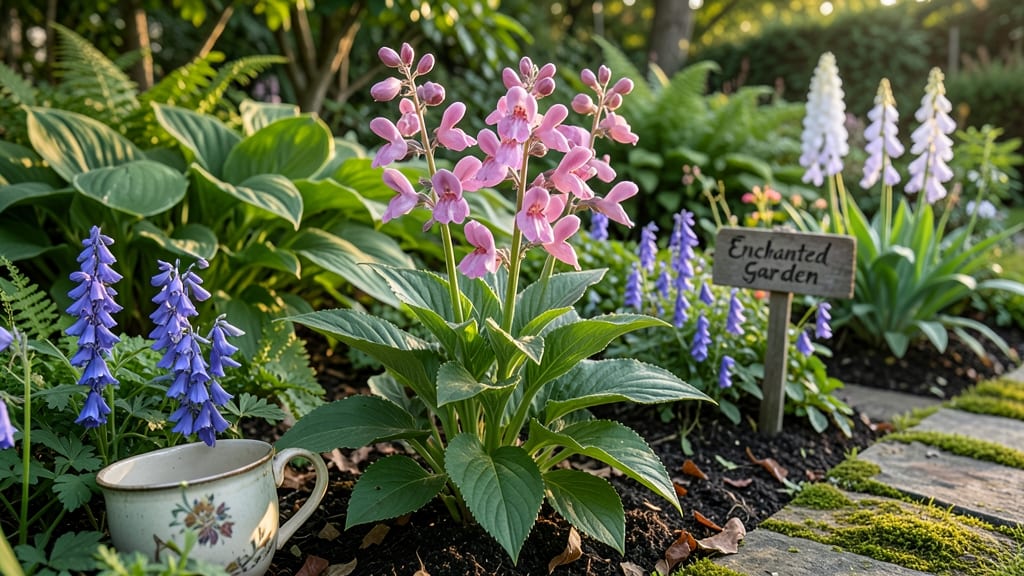
Alice in Wonderland botanical gardens use bluebell flowers, giant mushrooms, and white roses to create living art that embodies transformation, curiosity, and whimsical storytelling, directly reflecting Lewis Carroll's original narrative through carefully chosen flora.
These themed gardens don't just showcase plants—they translate the story's deeper meanings into a tangible experience. 🌿 For example, bluebells often represent Alice's growing confusion as she shrinks and grows, while giant mushrooms symbolize the unpredictable shifts in her perception.
Many gardens also incorporate poisonous plants like foxgloves to mirror the story's darker undertones, creating a visual narrative that engages visitors on multiple levels. The white roses, meanwhile, serve as a constant reminder of Alice's lost innocence as she navigates Wonderland's surreal landscape.
What makes these gardens so special is how they blend horticulture with storytelling. Unlike traditional botanical displays, every plant selection serves a purpose—whether it's the daisies representing Alice's childhood wonder or the thorny blackberries that hint at the dangers she encounters.
This approach transforms a simple garden into an immersive experience that connects visitors with Carroll's timeless tale through the language of plants.
💡 In This Article
- How Plants in Alice in Wonderland Represent Psychological Themes
- Designing Your Own Alice-Inspired Garden with Symbolic Plants
How plants in Alice in Wonderland represent psychological themes
The bluebell flowers that frequently appear in these gardens aren't just pretty—they're botanical metaphors for Alice's shifting sense of reality. These delicate, bell-shaped blooms grow in clusters that mirror the chaotic way Alice's world expands and contracts as she drinks from the shrinking potion and eats the growing cake.
Scientifically, bluebells contain glycosides that can cause mild hallucinations when ingested, subtly reinforcing the story's themes of altered perception. Their ephemeral nature—blooming for just 2-3 weeks each spring—also reflects how quickly Alice's experiences transform her understanding of time and identity.
Giant mushrooms take center stage as visual representations of Alice's growth and shrinkage, but their symbolism runs deeper. The red-and-white striped mushroom from the story is inspired by real fungi like the fly agaric, which contains psychoactive compounds that can induce altered states of consciousness.
In garden designs, these mushrooms are often planted in clusters to create a "portal" effect, with their caps reaching 3-4 feet in height—just like the one Alice climbs to change her size.
The contrast between the mushroom's toxic properties and its whimsical appearance mirrors Wonderland's duality: beautiful yet dangerous, magical yet unpredictable.
White roses serve as the garden's emotional anchor, symbolizing Alice's lost innocence and the purity she seeks to reclaim throughout her journey. Unlike the thorny roses that appear in other parts of the story (representing danger), these pristine blooms create a visual counterpoint to the garden's darker elements.
Botanically, white roses contain higher levels of geraniol—a compound that has calming effects—subtly reinforcing their symbolic role as beacons of tranquility amid Wonderland's chaos. Their placement in garden layouts often follows winding paths, mirroring Alice's meandering quest for meaning.
The inclusion of poisonous plants like foxgloves and oleander adds another layer of psychological depth. Foxgloves, with their dramatic 2-3 foot spikes, contain digitalis—a compound that affects heart rhythms and can cause hallucinations.
Their presence in these gardens serves as a constant reminder of Wonderland's potential dangers, much like the poisonous mushrooms Alice encounters.
The contrast between these toxic plants and the more benign flowers creates a visual narrative that reflects the story's exploration of childhood fears and the line between fantasy and reality.
Seasonal changes in these gardens further enhance the psychological storytelling. Spring bluebells give way to summer roses, then autumn mushrooms, creating a visual timeline that parallels Alice's journey through different emotional states.
The careful selection of plants that bloom at specific times allows visitors to experience the story's progression through the changing seasons, making each visit a new chapter in the botanical narrative. This temporal layering transforms what could be a static garden into a dynamic representation of Alice's evolving psyche.
What makes this botanical interpretation so powerful is how it bridges literary analysis with horticultural science. Each plant's biological characteristics—from its growth patterns to its chemical properties—aligns with specific moments in the story.
For example, the rapid growth of certain plants mirrors how quickly Alice's size changes, while the persistence of others reflects her enduring sense of self throughout the surreal experiences. This intersection of botany and psychology creates a multi-sensory experience that engages visitors on intellectual and emotional levels.