
Container Gardens
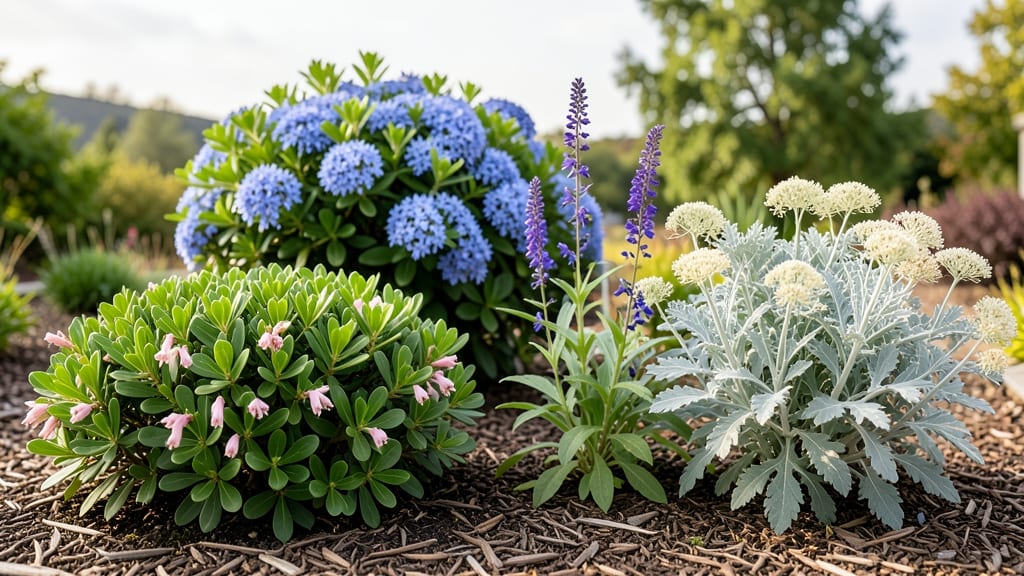
Alta Vista Botanical Gardens in Vista, CA offers lush landscapes, rare plant collections, and serene walking trails perfect for nature lovers. Its seasonal blooms—including camellias, orchids, and desert cacti—create a year-round botanical experience with minimal crowds and expertly curated gardens.
This hidden gem in Northern San Diego County blends desert and temperate ecosystems into a single, immersive experience. 🌵 Unlike larger public gardens, Alta Vista maintains a peaceful atmosphere with fewer visitors, allowing you to wander through themed sections like the Succulent Garden or Fragrance Garden without rushing.
The garden's conservation focus—featuring native California species—makes it a living classroom for plant enthusiasts, while its strategic layout ensures every season brings something new to discover.
What sets Alta Vista apart is its intentional design that highlights seasonal transitions. For example, winter visitors can marvel at camellias in full bloom, while summer brings vibrant desert wildflowers and rare cacti collections.
The garden's hidden trails lead to unexpected viewpoints, perfect for photographers or those seeking quiet reflection. With free admission and extended hours during peak seasons, it's an accessible escape for both locals and tourists alike.
💡 In This Article
- Exploring Alta Vista’s Unique Plant Collections and Ecosystems
- Best Times to Visit Alta Vista for Peak Blooms and Hidden Gems
Exploring Alta Vista’s unique plant collections and ecosystems
Alta Vista Botanical Gardens creates a fascinating contrast between desert and temperate ecosystems within its 12-acre space. The garden's layout mirrors California's diverse climates, featuring a Succulent Garden with over 150 species of drought-resistant plants, including rare agaves and barrel cacti that thrive in 90-100°F temperatures.
Just steps away, the Fragrance Garden showcases temperate-zone plants like roses and lavender, which prefer cooler 60-75°F conditions. This juxtaposition demonstrates how plants have evolved unique adaptations to survive in extreme environments.
The garden's native California flora collection is particularly striking, featuring species like coast live oak and California buckwheat that have coexisted with local ecosystems for centuries. These plants aren't just decorative—they play crucial ecological roles, such as providing habitat for 12 species of native bees that pollinate the garden's flowers.
The conservation focus extends to rare species like the Santa Barbara jewelflower, a federally endangered plant that Alta Vista helps propagate through controlled cultivation. 🌿 What's remarkable is how the garden's drip irrigation system uses only 20% of typical garden water usage, making it a model for sustainable landscaping.
Seasonal changes dramatically transform Alta Vista's landscape, creating a dynamic experience for visitors. In winter, the camellia collection bursts into bloom with 100+ plants in shades of pink, white, and red, their waxy petals providing a striking contrast to the desert backdrop.
By spring, the orchid house becomes a sensory overload with 500+ orchids in full display, their complex fragrances filling the air. Summer brings the desert wildflower meadow to life with annual poppies and lupines that carpet the ground in vibrant hues.
This seasonal rotation ensures the garden remains vibrant year-round.
One of the garden's most innovative features is its climate-adapted plant displays, which demonstrate how different species thrive in specific microclimates within the same space.
For instance, the shade garden features ferns and hostas that prefer 60-70% humidity, while the adjacent sun garden showcases yarrow and black-eyed Susans that require full sun. Visitors can observe these differences firsthand, gaining practical knowledge about plant care and landscaping techniques.
The garden's educational signs provide USDA hardiness zone information for each plant, helping gardeners determine what will grow successfully in their own regions.
Beyond its botanical diversity, Alta Vista serves as a living laboratory for plant conservation. The garden partners with California Native Plant Society to protect endangered species and conducts seed banking programs to preserve genetic diversity.
For example, their rare cactus collection includes species that have less than 50 individuals remaining in the wild, making the garden's conservation work critically important.
The pollinator-friendly design also supports local ecosystems by providing nectar sources for declining bee populations. 🐝 This dual focus on beauty and conservation makes Alta Vista more than just a garden—it's an active participant in ecological preservation.
The garden's thoughtful layout encourages exploration, with 1.5 miles of winding trails that guide visitors through different ecosystems. Each section is designed to highlight specific plant families or adaptations, creating an educational journey.
For instance, the medicinal plant garden demonstrates how native species have been used for centuries in traditional healing practices, while the children's garden features interactive elements that teach young visitors about plant life cycles.
This multi-sensory approach makes Alta Vista accessible and engaging for visitors of all ages and knowledge levels.