
Vegetables
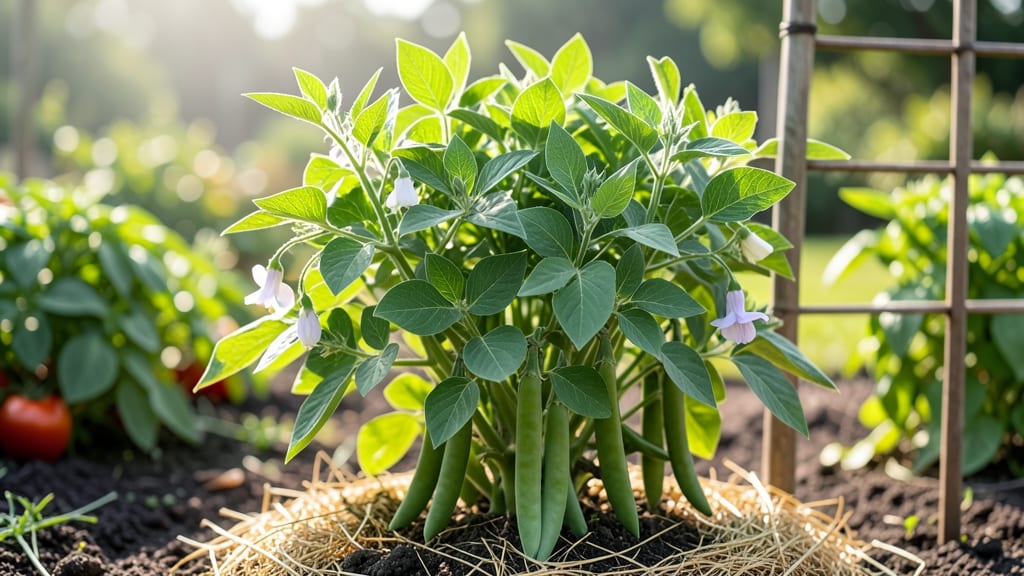
Garden beans and green beans aren't the same: garden beans describe mature, dried varieties like kidney or navy beans, while green beans specifically refer to the young, fresh pods harvested before seeds develop. These differences affect their taste, texture, and how you use them in cooking.
When you're shopping for beans, this distinction matters more than you might think. 🌱 Garden beans (the dried varieties) develop hard, starchy seeds that need soaking or cooking for hours to soften, while green beans stay tender and crisp when picked young.
The confusion often comes from how stores label products—sometimes "garden beans" is used loosely for any fresh pod, but purists insist on the botanical difference. For example, you wouldn't substitute dried kidney beans for fresh green beans in a stir-fry, even though they're from the same plant family.
Understanding these differences helps you choose the right bean for your dish. Whether you're making a hearty bean soup with dried varieties or a quick sautéed side with fresh green beans, selecting the correct type ensures the best texture and flavor.
The key is recognizing that "green beans" always means the immature pods, while "garden beans" points to the mature seeds—unless you see "green beans" specifically labeled on the package.
💡 In This Article
- Botanical and Growth Stage Differences Between Garden and Green Beans
- Culinary Uses and Substitutions for Garden vs Green Beans
Botanical and growth stage differences between garden and green beans
Both garden beans and green beans belong to the Phaseolus genus, but their botanical distinction lies in the harvesting stage. Green beans are the immature pods of the plant, harvested when they're 3-5 inches long and still tender with crisp texture.
The pods contain tiny, undeveloped seeds—this is why they're eaten fresh or lightly cooked. In contrast, garden beans refer to the mature seeds inside the dried pods, like kidney or navy beans, which develop when the plant's pods fully mature and dry on the vine.
The key difference is in the plant's growth cycle. Green beans are picked at 2-3 weeks after flowering, when their cell walls are still soft and filled with water (about 85-90% moisture content). This stage gives them their signature crunch and mild, slightly sweet flavor.
Meanwhile, garden beans (the dried varieties) require 60-90 days to fully mature, during which the seeds inside harden and their starch content increases to 50-60% dry weight, creating the dense, starchy texture we associate with dried beans.
Nutritionally, this growth difference matters too. Green beans are packed with vitamin K (107% DV per cup) and vitamin C (12% DV), thanks to their high water content and fresh harvesting. Their fiber comes primarily from soluble types that support digestion.
Dried garden beans, however, offer more protein (15g per cooked cup) and iron (15% DV) due to their concentrated seed structure, making them a staple in plant-based diets. The trade-off? Green beans provide half the calories (31 vs 120 per cooked cup) but with more immediate energy from natural sugars.
What most people don't realize is how light affects these differences. Green beans are typically grown in full sun (6-8 hours daily) to develop their crisp texture, while dried garden beans often thrive in slightly cooler climates where pods can fully mature without cracking.
The pH of the soil also plays a role: green beans prefer 6.0-7.0 pH for optimal pod development, while dried varieties tolerate slightly acidic soils (5.8-6.5) better. 🌱 These growing conditions explain why some regions produce better-quality fresh green beans while others excel in dried varieties.
Visually, you can spot the difference instantly. Green beans have bright green, waxy skins and a slight curve, while dried garden beans appear as small, hard seeds inside papery pods.
Even when canned, green beans retain their vibrant color and shape, whereas dried garden beans lose their vibrant hue and become uniform in texture. This visual distinction is why grocery stores often separate them—green beans in the produce section, dried varieties in the canning or bulk bins.
One fascinating detail is how harvesting frequency impacts the plant. Green beans benefit from regular picking (every 2-3 days) to encourage continuous production, while garden beans are left on the vine until fully mature.
This difference in cultivation explains why home gardeners might grow both: green beans for quick harvests and garden beans for long-term storage. The same plant can produce both types if managed correctly!