
Pests and Diseases
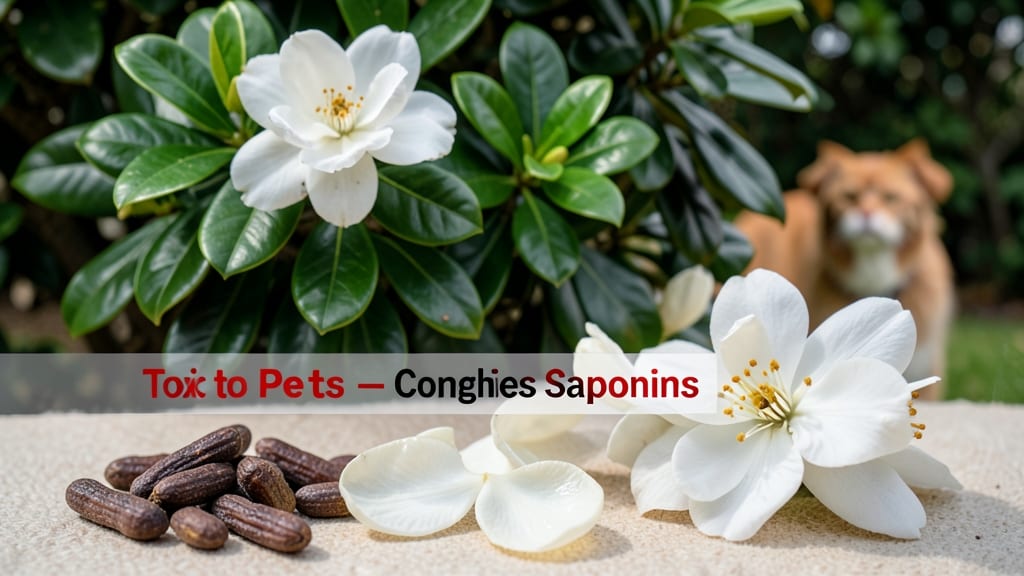
Gardenias are toxic to pets, containing grayanotoxins that cause vomiting, diarrhea, lethargy, and drooling if ingested. Their strong fragrance can also trigger allergies in humans. Keep them out of reach of cats, dogs, and small children.
Gardenias contain grayanotoxins, compounds that disrupt your pet's nervous system by interfering with sodium channels in their cells. 🐾 This leads to symptoms like excessive drooling, weakness, and even tremors within hours of ingestion.
Even small amounts of leaves or flowers can be dangerous, especially for cats, whose smaller size makes them more vulnerable to toxin effects. I always recommend removing gardenias immediately if you have curious pets—just one nibble could trigger an emergency vet visit.
For pet owners, the good news is there are beautiful, non-toxic alternatives like spider plants or sunflowers that still add fragrance and color to your garden. 🌸 These plants provide the same aesthetic appeal without the health risks.
Transitioning to pet-safe options is easier than you might think—many nurseries now carry clearly labeled "pet-friendly" plants, making it simple to create a safe outdoor space for your furry family members.
💡 In This Article
- Toxic Components in Gardenias and Their Effects on Pets
- Non-Toxic Garden Alternatives for Pet-Friendly Landscapes
Toxic components in gardenias and their effects on pets
The toxicity in gardenias stems from grayanotoxins, a group of natural compounds that disrupt your pet's nervous system by binding to sodium channels in their cells.
These toxins, primarily found in the leaves and flowers, interfere with nerve signal transmission, leading to symptoms like muscle weakness, confusion, and even seizures in severe cases. 🔥 The most vulnerable pets are small dogs and cats, whose lower body weight means even tiny amounts—like a single leaf—can deliver a dangerous dose.
Grayanotoxins work by keeping sodium channels open longer than normal, causing an overstimulation of nerve cells. This process, called "persistent sodium current," leads to erratic muscle contractions and a cascade of neurological symptoms.
In dogs, you might notice excessive drooling, vomiting, or diarrhea within 6-12 hours of ingestion, while cats often show lethargy, dilated pupils, or even collapse. The severity depends on the pet's size, health, and how much they've consumed—just 0.5 ounces of gardenia leaves can be lethal to a small cat.
Cats are particularly at risk because their liver metabolizes toxins more slowly than dogs'.
Their smaller size means a higher concentration of toxin per pound of body weight, making them more susceptible to organ damage. 🐱 Even the gardenia's strong fragrance can be problematic—some pets develop respiratory irritation or allergic reactions from prolonged exposure to the plant's oils.
Always monitor your pets around gardenias, even if they haven't ingested any leaves or flowers.
Symptoms of gardenia poisoning can escalate quickly, so immediate action is critical. If your pet shows signs of distress, contact your vet or a pet poison hotline right away. Treatment often involves inducing vomiting (if ingestion was recent), administering activated charcoal to absorb toxins, and supportive care like IV fluids.
In severe cases, hospitalization may be necessary to manage seizures or organ failure. Prevention is always better than treatment—removing gardenias from your home or yard is the safest choice for pet owners.
Interestingly, gardenias aren't just dangerous to pets—they can also affect humans. While not typically lethal, their strong fragrance can trigger allergic reactions in sensitive individuals, causing skin irritation, sneezing, or even asthma-like symptoms.
The same grayanotoxins that harm pets can also cause mild gastrointestinal upset in humans if ingested, though cases are rare. 🌿 This dual risk makes gardenias a high-maintenance plant for households with both pets and allergy-prone family members.
To put it in perspective, gardenias contain roughly 0.1-0.3% grayanotoxins by weight, which may seem small but is enough to cause serious harm. For comparison, that's similar to the concentration of toxins in oleander—a plant notorious for its toxicity.
The key difference is that gardenias are often grown as ornamental plants, making accidental ingestion more likely. Always assume your pets are curious and could access these plants if given the chance.
If you're unsure whether your pet has ingested gardenia, observe for these red flags: vomiting, diarrhea, excessive drooling, or sudden weakness. 🚨 Even if symptoms seem mild, err on the side of caution and seek veterinary advice.
The faster you act, the better your pet's chances of a full recovery. In the worst-case scenarios, gardenia poisoning can lead to respiratory failure or cardiac arrest, so vigilance is your best defense.