
Plants
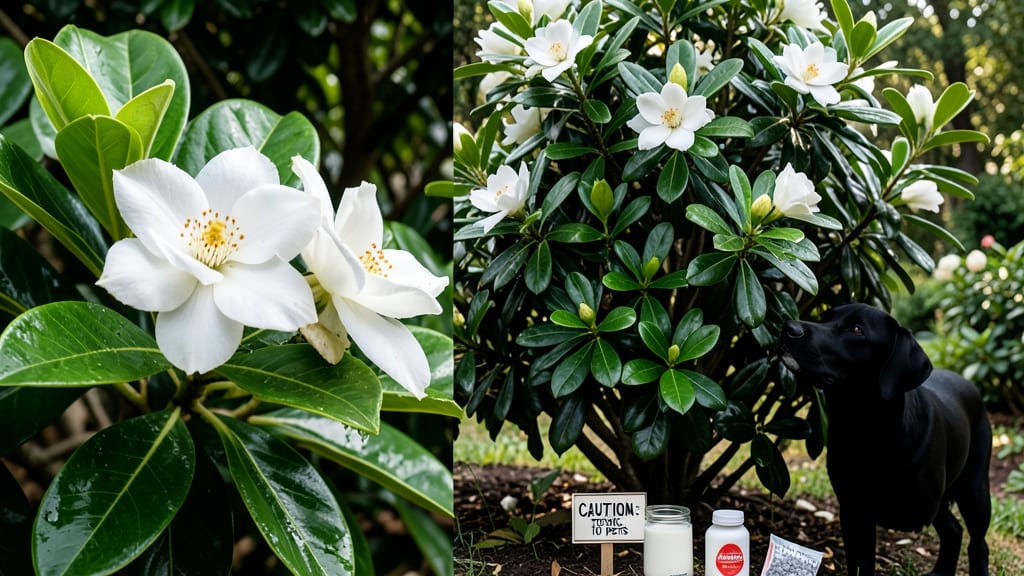
Gardenia plants are poisonous to dogs because they contain harmful compounds like saponins and cyanogenic glycosides, which can trigger vomiting, diarrhea, weakness, and even seizures if your dog ingests large amounts. Always seek emergency vet care if you suspect poisoning.
These toxic compounds disrupt your dog's digestive and nervous systems, with symptoms often appearing within hours of ingestion. 🐕 The severity depends on the amount consumed and your dog's size—smaller dogs are especially vulnerable.
Even gardenia leaves or flowers in a bouquet can pose risks if chewed, so keep these plants well out of reach during house training or when your dog is curious.
If you notice drooling, stomach pain, or lethargy after exposure, act fast by removing any plant material from your dog's mouth and calling your vet or a pet poison hotline immediately. Never induce vomiting without professional guidance, as some toxins can worsen damage on the way back up.
💡 In This Article
- Toxic Compounds in Gardenia Plants and Their Effects on Dogs
- Vet-Approved First Aid and Emergency Steps for Gardenia Poisoning
Toxic compounds in gardenia plants and their effects on dogs
Gardenia plants contain two primary toxic compounds that pose serious risks to dogs: saponins and cyanogenic glycosides. Saponins create soapy, bitter-tasting compounds that irritate the gastrointestinal tract, while cyanogenic glycosides release cyanide when metabolized—both disrupting normal bodily functions.
These chemicals are concentrated in the leaves, flowers, and stems, with even small amounts capable of triggering symptoms within 30 minutes to 2 hours after ingestion.
The saponins in gardenia act as natural insecticides, creating cell membrane damage in the digestive tract that leads to inflammation and fluid loss. This explains why vomiting and diarrhea are among the first symptoms—your dog's body is essentially trying to expel the irritants.
Meanwhile, cyanogenic glycosides interfere with cellular oxygen use, which can cause weakness, rapid breathing, or even collapse in severe cases. 🌿 Smaller dogs under 20 pounds are particularly vulnerable because their systems can't process these toxins as efficiently as larger breeds.
Symptoms escalate based on the amount consumed, with as little as one leaf potentially causing mild reactions in small dogs. Larger ingestions (like eating entire flowers or stems) may lead to neurological effects such as seizures or tremors due to cyanide's impact on the nervous system.
The plant's aromatic oils also contain volatile compounds that can irritate respiratory passages, causing coughing or excessive drooling—a clear sign your dog is struggling to process the toxins.
What makes gardenia toxicity particularly dangerous is how quickly it progresses. Unlike some plants that cause delayed reactions, gardenia's compounds trigger immediate physiological stress. This is why even seemingly minor exposure warrants close monitoring.
For example, a 10-pound Chihuahua might show symptoms after nibbling a single flower, while a 50-pound Labrador could tolerate slightly more before showing signs—but neither should be taken lightly.
Interestingly, gardenia's toxicity isn't uniform across all parts of the plant. The flowers contain higher concentrations of saponins (up to 3% dry weight), making them particularly hazardous when chewed or swallowed whole. The stems and leaves have more balanced toxin ratios but still pose risks.
This variation explains why some dogs react severely after eating just a few petals, while others show milder symptoms after consuming larger quantities of leaves.
Understanding these mechanisms helps explain why vet intervention is critical—some symptoms like cardiac arrhythmias (irregular heartbeat) or metabolic acidosis (blood pH imbalance) require immediate medical treatment to prevent organ failure.
The plant's toxins don't just cause temporary discomfort; they can trigger systemic responses that compromise your dog's overall health if left untreated. 🚨