
Pests
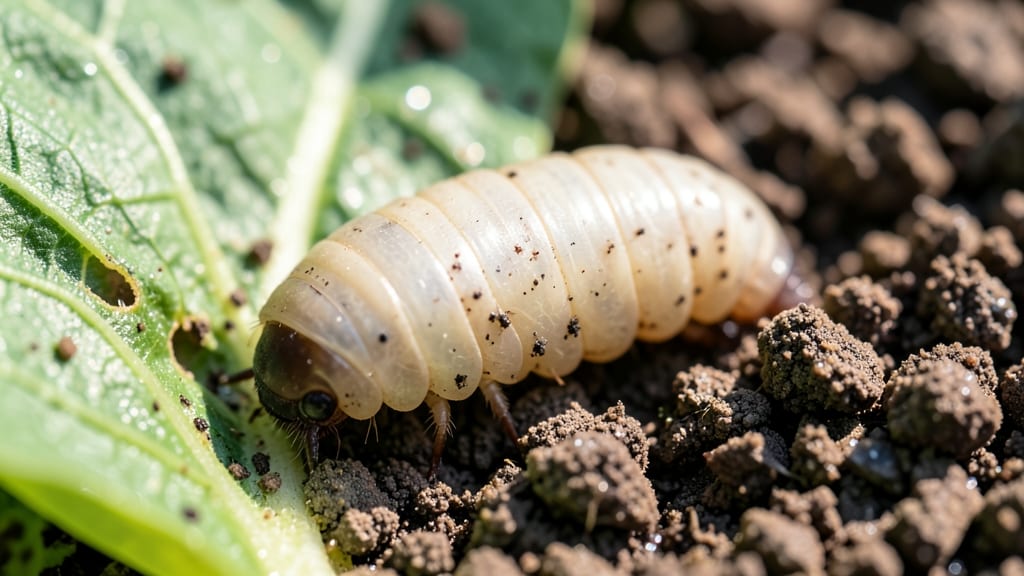
Grub worms are bad for your garden because they devour grass roots and plant roots, weakening lawns and killing young plants, though they also aerate soil and serve as food for wildlife like birds and toads.
Grub worms may seem like tiny troublemakers, but their appetite for roots can turn your lush garden into a patchy wasteland. 🌱 These larvae chew through grass roots and plant systems, causing brown patches, wilting, and even death in young plants.
While they do help aerate soil and provide food for beneficial wildlife, their damage often outweighs these benefits—especially in established lawns and vegetable gardens.
Understanding their lifecycle is key: eggs hatch in summer, larvae feed through fall and spring, and adults emerge as beetles in late summer. This means timing matters when it comes to control.
I’ve found that combining natural predators like nematodes with cultural practices—like proper watering and overseeding—can make a big difference in keeping populations in check.
💡 In This Article
- How Grub Worms Damage Grass and Garden Plants
- Natural and Chemical Ways to Control Grub Worms
How grub worms damage grass and garden plants
Grub worms—specifically white grubs, the larvae of beetles like Japanese beetles or June bugs—target plant roots with surgical precision. Their mandibles slice through roots like tiny, relentless saws, severing the vascular system that transports water and nutrients.
A single grub can consume up to 0.001 ounces (0.03 grams) of root tissue per day, which may sound small but adds up quickly in a lawn.
For example, 100 grubs per square yard can strip a lawn of 50% of its root mass in just 30 days, leaving grass vulnerable to drought and disease.
The damage manifests in distinct ways depending on the plant. In lawns, you’ll notice thin, patchy areas that pull up easily like carpet—this is called "sod pull" and happens when grubs have severed most roots.
In garden beds, young plants wilt suddenly despite adequate water, while established perennials may show stunted growth or yellowing. The key difference?
Grubs prefer tender, new roots, so seedlings and grass are their top targets. 🌱 Their feeding also creates tunnels that disrupt soil structure, though this "aeration" is far less beneficial than the harm they cause.
What makes grubs particularly destructive is their timing. They peak in activity during fall and spring, when soil is moist and roots are most vulnerable. Unlike surface pests, they hide 1-3 inches deep, making them hard to spot until the damage is visible.
The lifecycle compounds the issue: eggs hatch in summer, larvae feed through fall/winter, and adults emerge in late summer—meaning each generation has a full season to wreak havoc.
Interestingly, their ecological role as food for wildlife (birds, toads, shrews) is often overshadowed by their damage. While these predators help control grub populations naturally, they’re rarely enough to prevent lawn destruction.
The balance tips when grub numbers exceed 5-10 per square foot, which is when most gardeners notice problems. This threshold varies by plant type—turfgrass is more resilient than delicate vegetables, which can die from even light infestations.
Grubs also create ideal conditions for fungal infections. Their feeding wounds expose roots to pathogens like Fusarium or Rhizoctonia, which thrive in the moist, disturbed soil they leave behind. This secondary damage often goes unnoticed until plants collapse entirely.
The combination of root loss, fungal invasion, and physical stress from pulling up grass makes grub control a critical task for gardeners.
To visualize the impact, imagine a single grub as a tiny chainsaw. Left unchecked, a colony can turn a healthy lawn into a skeletal system of roots—barely holding onto life. The good news? Their predictable lifecycle means you can time interventions effectively, whether through natural predators or targeted treatments. 🔥