
Container Gardens
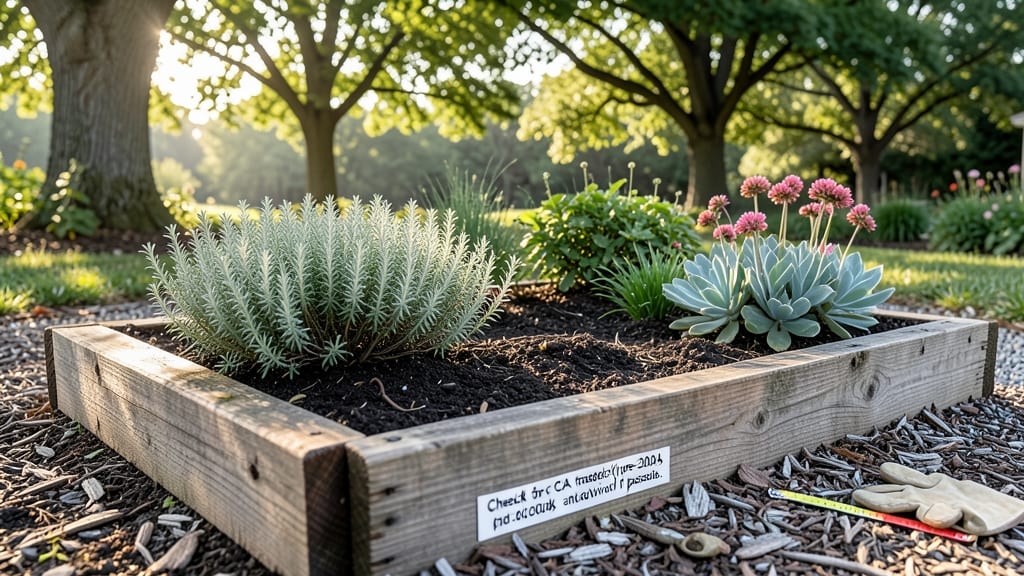
Railroad ties are generally not safe for gardens because they contain creosote and chemical preservatives that leach into soil, harming plants and contaminating groundwater. Instead, use untreated wood or alternatives like pavers or composite lumber.
Are railroad ties safe for gardens? No—they’re treated with toxic chemicals like polycyclic aromatic hydrocarbons (PAHs) and copper napthenate to resist rot and pests. These compounds don't just fade—they seep into soil over time, stunting plant growth and poisoning beneficial microbes. 🌱 Even if you don't see visible damage, the long-term effects can turn your garden into a chemical time bomb for future crops or nearby water sources.
If you're looking for a safer border option, consider cedar or redwood lumber, which naturally resist rot without harsh chemicals. For a more durable solution, composite decking or pavers eliminate leaching risks entirely while adding modern aesthetic appeal.
The key is balancing functionality with plant safety—your garden's health shouldn't come at the cost of hidden toxins.
💡 In This Article
- Chemical Leaching Risks from Railroad Ties in Soil
- Safe Alternatives to Railroad Ties for Garden Borders
Chemical leaching risks from railroad ties in soil
Railroad ties are pressure-treated with creosote, a thick, oily mixture containing polycyclic aromatic hydrocarbons (PAHs)—known carcinogens that don't break down easily.
These chemicals seep into soil at a rate of 0.1-0.5 milligrams per square foot annually, depending on moisture levels. 🔥 The process doesn't stop after installation; rainwater and irrigation accelerate leaching, especially in sandy or loose soils where particles can't filter toxins effectively.
The toxicity works in two ways: direct poisoning and soil degradation. Plants absorb PAHs through roots, causing stunted growth, chlorosis (yellowing leaves), and even death in sensitive species like tomatoes or herbs. Worse, these chemicals disrupt soil microbes—critical for nutrient cycling—reducing nitrogen fixation by up to 40% in contaminated areas.
Copper napthenate, another common preservative, leaves a metallic taste in edible plants and can accumulate in groundwater over decades.
Long-term exposure turns soil into a chemical reservoir. Studies show PAH concentrations 10-100 times higher in treated wood leachate compared to untreated controls.
The effects aren't just plant-specific: nearby water sources can become contaminated, posing risks to wildlife and even humans through bioaccumulation. 💫 Unlike organic mulch that decomposes harmlessly, railroad ties create a permanent chemical barrier that persists for generations.
Visual clues like dark stains or a tarry smell near the soil surface are red flags, but damage often starts invisibly. Even if your plants appear healthy, root systems may suffer silently.
The leaching process accelerates in warm climates where evaporation increases chemical mobility, making tropical or subtropical gardens especially vulnerable to these hidden toxins.
Consider this: a single railroad tie can contaminate up to 10 square feet of garden bed over 5 years. The chemicals don't just harm plants—they alter soil pH and microbial communities, creating a less fertile environment.
For vegetable gardens or edible landscapes, the risks extend beyond aesthetics to direct food safety concerns.
What makes this worse is the persistence of these chemicals. Unlike organic matter that decomposes, creosote components can remain in soil for decades or longer. This means even if you remove the ties later, the damage to your garden's foundation may be irreversible for years.
The trade-off between durability and toxicity becomes painfully clear when you realize your "permanent" garden border might be a long-term liability.