How To
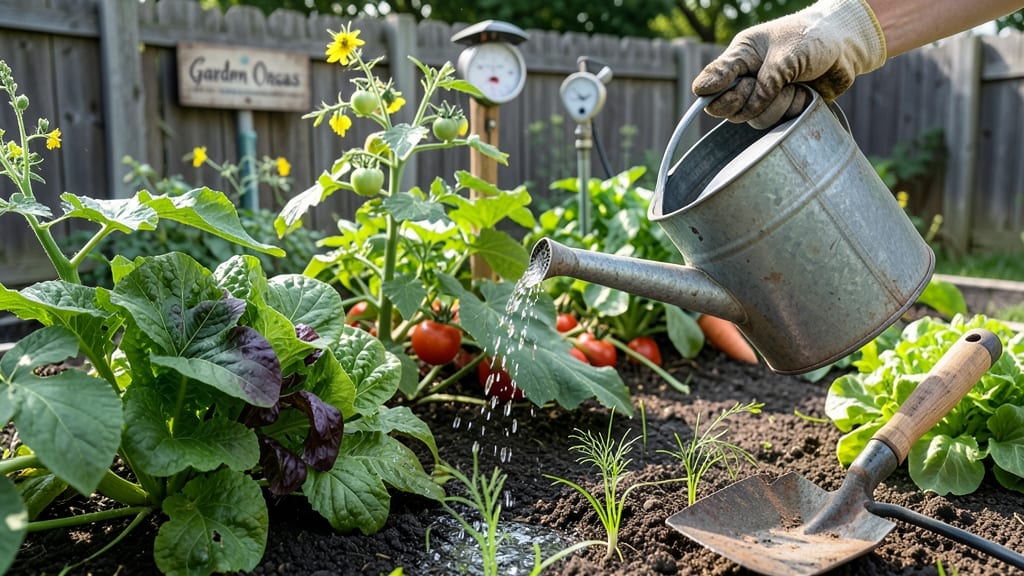
Watering your vegetable garden for the right amount of time keeps roots happy and waste low—aim for 10-30 minutes per session, depending on soil and plant needs.
Ever poured water on your 🥕 vegetable garden and wondered if you’re drowning the roots or leaving them parched? The truth is, most gardeners overwater by 30% without realizing it. But with a few simple tricks—like checking soil moisture and adjusting for heat waves—you can water smarter, not harder.
Soil type is the key: sandy soil drains fast, so you’ll need shorter bursts, while clay holds moisture longer, requiring deeper but less frequent watering. Then there’s the weather—summer heat means more frequent watering, but morning sessions beat evening ones to prevent fungal diseases.
Below, I’ll break down exactly how long to water based on your soil, the best times for zero waste, and how to tell if you’re overdoing it. No guesswork, just science-backed efficiency for a thriving garden.
How long to water vegetable plants by soil type and season
Your vegetable garden’s watering needs aren’t one-size-fits-all—they depend on soil type, seasonal heat, and even the depth of your plants' roots. Sandy soil drains fast, clay holds moisture like a sponge, and loam strikes the perfect balance.
Without adjusting for these factors, you might overwater (wasting water) or underwater (stressing plants). Let’s break down the science-backed watering durations to keep your veggies thriving without guesswork.
First, understand that most vegetable roots extend 6-12 inches deep, so water must penetrate that far. In sandy soil, water disappears in minutes, while clay soil can stay soggy for days.
Even the same plant—like a tomato or zucchini—will need different watering in summer’s heat versus spring’s mild weather. The key? Match your watering time to your soil’s moisture retention and the season’s evaporation rate.
Pro Tip: Always water deeply 2-3 times per week (instead of light daily doses) to encourage strong root growth. Shallow watering keeps roots near the surface, making plants more vulnerable to drought. Now, let’s dive into the exact watering durations for each soil type and season.
💧 Watering Duration Guide by Soil Type & Season
| Soil Type | Season | Watering Duration (per session) | Frequency | Depth to Water |
|---|---|---|---|---|
| Sandy | Spring | 10-15 mins | Every 1-2 days | 6-8 inches |
| Sandy | Summer | 20-30 mins | Daily (early AM) | 8-12 inches |
| Loamy | Spring | 15-20 mins | Every 2-3 days | 6-10 inches |
| Loamy | Summer | 25-35 mins | Every 1-2 days | 10-12 inches |
| Clay | Spring | 10-15 mins | Every 3-4 days | 4-6 inches |
| Clay | Summer | 15-20 mins | Every 2-3 days | 6-8 inches |
💡 Note: Adjust for rain—always check soil moisture before watering!
For sandy soil, watering sessions are shorter but more frequent because water drains through like a sieve. In summer, extend sessions to 2
The 5-Minute soil test: how to check moisture without a meter
Forget guesswork when watering your vegetable garden—your hands and eyes already hold the key. A simple soil test takes just minutes and reveals whether your plants are thirsty or drowning.
This tactile method works for tomatoes, peppers, and even drought-resistant zucchini, helping you water smarter and save up to 30% on water bills.
Start by sticking your index finger 1-2 inches into the soil near your plants. If it feels dry at this depth, it’s time to water.
For sandy soil, which drains fast, check the top inch—it may need watering more frequently. Clay soil, on the other hand, holds moisture longer, so wait until your finger comes out completely dry before watering again.
- 1-2 inches deep: Stick your finger to check moisture for most vegetable plants. This targets the root zone where plants drink.
- 10-15 minutes: Water until moisture reaches 6 inches down for deep-watering. Use a stick to mark depth if needed.
- Morning watering: Always water before 10 AM to reduce evaporation and fungal risks like blight.
- Drought signs: Wilting leaves by noon mean your plants need water immediately—don’t wait for evening.
- Mulch layer: Add 2-3 inches of straw or wood chips to retain moisture and cut watering time by 30%.
Visual cues are just as important as the finger test. Drooping leaves or a dull, grayish-green hue often signal thirst, while crisp, vibrant foliage means your plants are hydrated. For leafy greens like lettuce, check the soil surface—if it’s crumbly and dry, it’s time to water lightly for 5-10 minutes.
Root crops like carrots or potatoes need deeper watering, so aim for 15-20 minutes to encourage strong root growth.
Deep-watering is the secret to drought-resistant crops. Focus on slow, deep soakings rather than frequent light watering. For example, tomato plants thrive with 1-2 inches of water per week, delivered in one session rather than daily sprinkles.
Use a soaker hose or drip irrigation to target the base of plants and avoid wetting leaves, which can lead to disease.
Adjust your watering based on the season. In summer, you might need to water every 2-3 days, while winter may only require weekly watering.
Always water in the early morning to give plants a full day to absorb moisture and dry out by evening, reducing the risk of fungal infections. Keep a watering journal to track what works best for your garden’s unique conditions.
By mastering this 5-minute soil test, you’ll water your vegetable garden with confidence, ensuring your plants stay healthy without wasting a drop. The key is consistency—check the soil regularly, adjust for your local climate, and watch your garden thrive with minimal effort.