
Advice
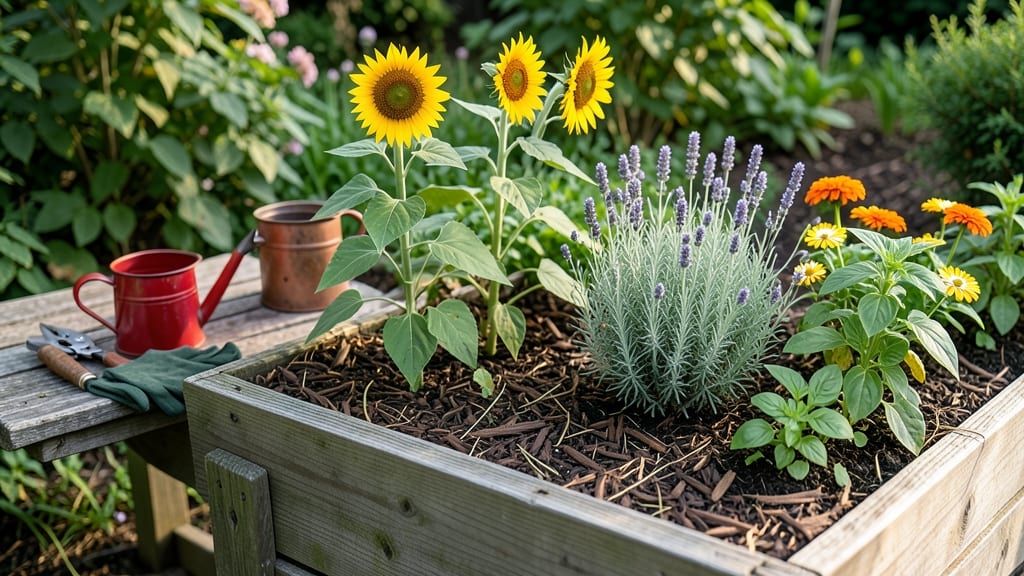
The average cost of a garden for a small backyard plot ranges from $500–$2,500+, including essentials like soil preparation, seeds or seedlings, basic tools, irrigation setup, and simple landscaping. Prices fluctuate significantly based on location, with urban areas and unique climates often demanding higher initial investments.
Planning your garden budget requires looking beyond just the plants. 🌱 Where you live plays a huge role—coastal regions might need salt-tolerant varieties, while desert climates demand water-wise options.
I've seen firsthand how soil quality alone can swing costs: amending poor soil with compost or synthetic fertilizers can add $100–$500 upfront.
Don't forget about the tools you'll need beyond the basics—quality pruners, a sturdy wheelbarrow, and even a simple trellis system can quickly add up to $200–$400 for a functional setup.
What often catches beginners off guard are the recurring expenses. 💰 Seasonal tool maintenance, mulch replenishment every 6–12 months, and unexpected plant replacements can turn a one-time investment into an ongoing commitment. I recommend setting aside an extra 10–15% of your initial budget for these hidden costs.
For example, a drip irrigation system might cost $300–$800 to install but saves water and labor in the long run—something many first-time gardeners overlook when calculating their total expenses.
💡 In This Article
- Factors That Influence Garden Costs by Region
- Hidden Expenses to Budget for Beyond Seeds and Soil
Factors that influence garden costs by region
Climate is the single biggest factor shaping your garden budget. In the Northeast, where winters are harsh, you might spend $150–$400 extra on cold-hardy perennials and frost blankets to protect tender plants.
Meanwhile, Western states require drought-resistant natives like lavender or succulents, which can cost $5–$20 per plant—far more than moisture-loving annuals in the humid South.
The soil itself varies dramatically: Urban Northeast gardens often need $200–$600 worth of compost or lime to amend acidic soils, while Southern gardens might require gypsum to break up clay at similar costs.
Labor costs create another regional divide. In Midwestern cities, DIY gardeners can save by sourcing materials from local farm stores, but hiring a landscaper for raised beds might cost $1,500–$3,500 for a 10x10-foot plot.
Contrast that with California, where professional installation of drip irrigation (critical for water conservation) can run $800–$2,000 for a small garden. Zoning laws also play a role: Some urban areas mandate permeable hardscaping, adding $500–$1,500 for gravel or permeable pavers that meet stormwater regulations. 🌎
Water access creates unexpected budget impacts. In arid Southwest regions, installing a 500-gallon rainwater collection system can cost $1,200–$2,500, while humid Southeast gardeners might spend just $100–$300 on a simple hose setup.
The type of irrigation matters too: A basic sprinkler system costs $200–$500, but a precision drip system (ideal for water conservation) ranges from $500–$1,500. These differences explain why a garden in Phoenix might cost 30–50% more than one in Atlanta for the same square footage.
Don't overlook how plant selection varies by region. Coastal gardens need salt-tolerant varieties like sea thrift, which can cost $15–$30 per plant, while inland gardens might focus on cheaper, hardy options like marigolds ($1–$3 per plant).
The same goes for soil amendments: Organic compost averages $0.50–$1.50 per cubic foot, but synthetic fertilizers like Osmocote can cost $2–$4 per pound—a significant difference when amending 10 cubic yards of soil.
These regional variations mean your $1,000 budget in one area might stretch to just $600 in another.
One often-missed regional factor is seasonal timing. In Northern climates, spring planting requires heated greenhouse setups ($500–$2,000), while Southern gardeners might invest in shade cloth ($100–$400) to protect summer crops.
Even tool costs differ: A high-quality broadfork (for aerating compacted soil) costs $80–$150 in rural areas but can double in price at urban garden centers. These regional nuances mean your initial cost estimates should always include a 20% buffer for location-specific surprises. 💡