
Vegetables
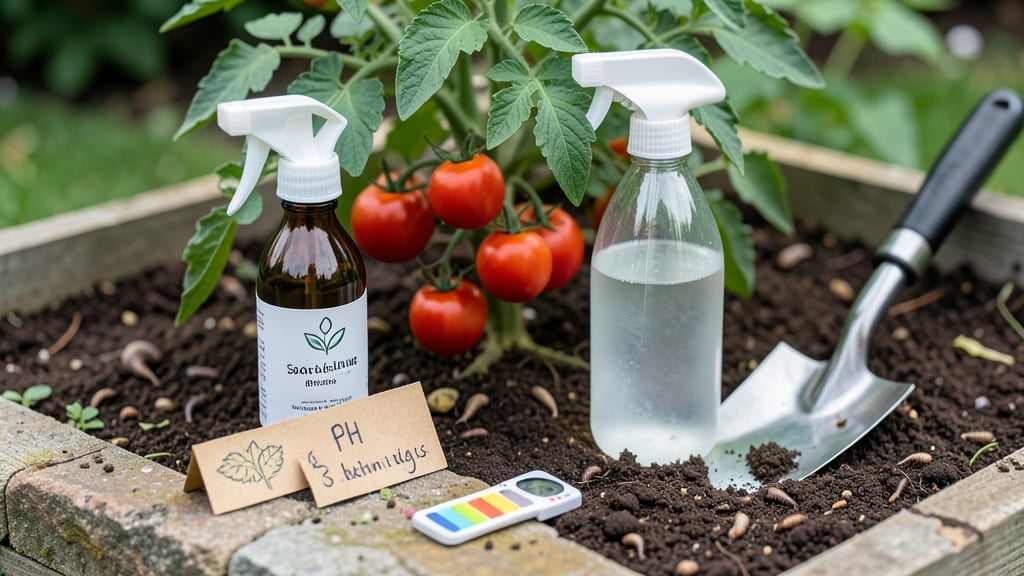
Baking soda for vegetable gardens helps control fungal diseases like powdery mildew, adjust soil pH, and deter pests naturally—though overuse can disrupt soil chemistry or harm beneficial microbes. Always dilute properly and test soil first.
Baking soda works as a natural fungicide because its alkaline nature creates an inhospitable environment for fungal spores. 🌱 The sodium bicarbonate disrupts the cell membranes of pathogens like powdery mildew, preventing them from spreading.
I've seen dramatic results when used as a preventive spray on susceptible plants like cucumbers and squash during humid conditions.
However, it's crucial to use it sparingly—most gardeners find mixing 1 teaspoon per gallon of water works best for foliar sprays, while soil applications require even more dilution to avoid altering pH levels beyond what plants can tolerate.
For soil amendments, baking soda can help raise pH in acidic gardens, but this should be done gradually.
Test your soil first—most vegetables prefer a slightly acidic to neutral pH (6.0-7.0), and sudden shifts can stress plants. 💫 The key is balance: while it's effective against fungal issues, it won't replace proper garden hygiene or organic mulching practices.
Always apply in the early morning or evening to prevent leaf burn from UV exposure, and avoid using it on acid-loving crops like blueberries or potatoes.
💡 In This Article
- How Baking Soda Fights Fungal Diseases in Vegetables
- Safe Application Methods for Vegetable Gardens
How baking soda fights fungal diseases in vegetables
Baking soda’s antifungal power comes from its active ingredient, sodium bicarbonate, which creates an alkaline environment that fungal spores can’t tolerate. 🌱 When sprayed on plant leaves, it raises the surface pH to around 8.0-8.5, disrupting the cell membranes of pathogens like powdery mildew (Erysiphe cichoracearum).
Studies show that a 1% sodium bicarbonate solution (about 1 tablespoon per gallon) can reduce fungal spore germination by up to 90% within 24 hours. This works because fungi thrive in neutral to acidic conditions (pH 5.0-6.5), while baking soda’s alkalinity creates a hostile environment for their growth.
The mechanism is twofold: first, the high pH denatures fungal enzymes, preventing them from breaking down plant tissues. Second, sodium ions interfere with the spores’ ability to adhere to leaf surfaces.
For example, powdery mildew spreads by releasing spores that need a moist, slightly acidic surface to germinate—baking soda’s alkalinity essentially "locks" them in a dormant state. 💫 This is why it’s most effective as a preventive measure during humid conditions (60-80% relative humidity), when fungal spores are most active.
However, it won’t kill established infections; it’s best used at the first sign of white powdery patches on leaves.
Research published in the Journal of Plant Pathology found that sodium bicarbonate sprays were as effective as commercial fungicides like neem oil for controlling downy mildew on cucumbers, but without the risk of chemical residue.
The key is consistency—apply every 7-10 days during growing season, alternating with other organic treatments like copper fungicide to prevent resistance. Always test a small leaf area first, as some plants (like tomatoes) may show slight leaf burn if sprayed too heavily or under direct sunlight.
While baking soda targets fungi, it’s worth noting that it won’t affect bacterial or viral infections. For instance, it’s ineffective against bacterial spot on peppers or tomato mosaic virus. 🌿 The solution also breaks down quickly in sunlight, so reapplication is necessary after rain or heavy dew.
For best results, mix 1 teaspoon of baking soda with 1 quart of water and add a few drops of dish soap (like Castile soap) to help the solution stick to leaves. The soap acts as a surfactant, improving coverage without harming plants.
One common misconception is that baking soda can replace sulfur-based fungicides. While it’s a great organic alternative for mild fungal issues, sulfur is still more effective for severe cases like black spot on roses or apple scab.
The difference lies in their mechanisms: sulfur disrupts fungal respiration, while baking soda alters pH. For vegetable gardens, baking soda shines as a low-cost, non-toxic option—just remember that it’s a supplement, not a replacement, for good garden hygiene and airflow.
For soil applications, the science gets more nuanced. While baking soda can raise soil pH (helpful for acid-loving plants like blueberries), it’s far less stable than lime.
When applied to soil, it quickly reacts with organic matter and dissolves, making its effects temporary. 💡 This is why gardeners often use it as a foliar spray rather than a soil amendment—it’s more predictable and targeted.
Always monitor your soil pH with a test kit before applying, as sudden shifts can stress plants or even encourage other pathogens like Pythium.