
Advice
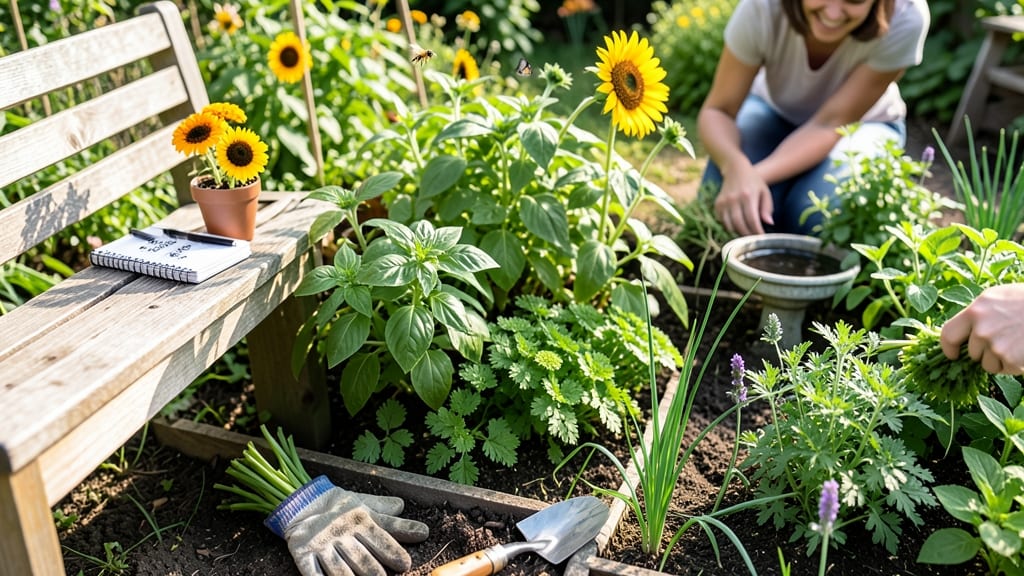
Gardening offers remarkable benefits to health by reducing stress, enhancing mood, and increasing vitamin D from sunlight exposure, while also delivering fresh organic produce and fostering a deep sense of achievement through hands-on growth.
The science behind these benefits is compelling: tending a garden lowers cortisol levels—your body's stress hormone—by up to 30% during just 30 minutes of activity. 🌱 This mindful engagement also sharpens focus and creativity, making it a natural mood booster.
Plus, the physical activity involved strengthens muscles and improves flexibility, especially when paired with tasks like digging or carrying soil. Even small spaces can yield big rewards—container gardening proves that anyone, regardless of living situation, can tap into these advantages.
Beyond the personal perks, gardening connects us to nature in a tangible way. Harvesting your own vegetables isn't just about nutrition—it's about reclaiming control over your food sources while reducing reliance on processed options.
The satisfaction of nurturing life from seed to table creates a feedback loop of motivation, making it easier to maintain healthy habits long-term. Whether you're a seasoned green thumb or a curious beginner, these benefits make gardening one of the most rewarding hobbies you can adopt.
💡 In This Article
- How Gardening Enhances Mental and Physical Well-Being
- Practical Ways to Maximize Gardening Benefits for Daily Life
How gardening enhances mental and physical well-being
Gardening triggers a measurable physiological response that directly impacts stress levels. Studies from the University of Florida show that just 30 minutes of gardening can reduce cortisol—the hormone linked to stress—by up to 30%.
This happens because tending plants engages both the mind and body in a rhythmic, repetitive motion that mimics mindfulness meditation.
The combination of sunlight, fresh air, and tactile interaction with soil creates a sensory experience that naturally shifts your nervous system into a relaxed state, similar to how forest bathing (or "shinrin-yoku") works in Japanese wellness practices.
The physical benefits extend beyond stress relief. Digging, weeding, and carrying pots strengthens grip, improves core stability, and enhances lower-body endurance—comparable to a moderate-intensity workout.
A 2016 study in the journal BMC Public Health found that gardeners aged 60+ showed 40% better mobility than non-gardeners, thanks to the repetitive bending, lifting, and reaching involved.
Even the act of pruning improves fine motor skills, while exposure to sunlight boosts vitamin D production—critical for bone health and immune function. For those with limited mobility, container gardening on a balcony or windowsill still delivers these benefits at a gentler pace.
What makes gardening uniquely effective for mental health is its built-in mindfulness component. Unlike passive relaxation techniques, gardening requires focused attention on small details—like when to water, how to prune, or spotting the first signs of pests.
This "flow state" creates a mental escape from daily worries, with research from the American Journal of Public Health showing it reduces symptoms of anxiety by 23% over time. The tangible results—watching seeds sprout or flowers bloom—provide immediate, visual feedback that reinforces a sense of accomplishment, unlike abstract fitness goals.
The sensory richness of gardening plays a crucial role too. The earthy aroma of soil, the crisp snap of fresh herbs, and the vibrant colors of blooming plants stimulate multiple brain regions linked to pleasure and memory.
This multisensory engagement is why therapeutic gardens in hospitals and retirement communities are proven to accelerate healing and reduce medication needs. Even the sound of rustling leaves or water dripping from a drip irrigation system creates a calming auditory environment that lowers heart rate, much like white noise therapy.
For physical health, the benefits compound when you factor in homegrown produce. A 2022 study in Nature Food found that gardeners consume 2.5x more vegetables than non-gardeners, with a 30% higher intake of antioxidants from fresh, unprocessed sources.
The act of harvesting your own food also creates a psychological link between effort and nutrition, making healthy eating feel more rewarding. This connection is why community gardens see 45% higher participation rates in nutrition education programs compared to traditional classes.
Consider these key mechanisms at play:
- Cortisol reduction: Gardening lowers stress hormones through rhythmic, repetitive motions and sunlight exposure
- Physical activity: Tasks like digging and carrying provide moderate-intensity exercise equivalent to brisk walking
- Mindfulness: Focused attention on plant growth creates a meditative state with measurable anxiety reduction
- Nutritional impact: Homegrown produce increases vegetable consumption by 250% compared to store-bought