
Pruning
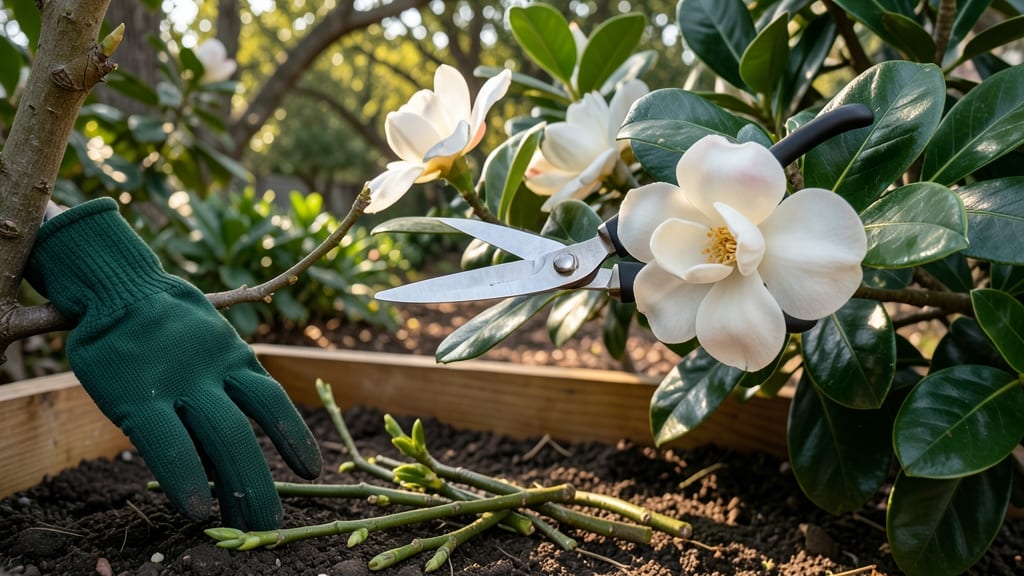
The best time to trim gardenias is late winter, when dormant branches are ready for a fresh start 🌸 — this is the secret to year-round blooms and healthier plants.
Struggling to keep your gardenias blooming beautifully year-round? The secret lies not in how you trim, but when — and late winter is the golden window for a fragrant reset.
Most gardeners wait until spring, but pruning too early can damage delicate new growth, while waiting too long risks missing the optimal window for robust spring blooms.
In this guide, I’ll walk you through the exact timing, tools, and techniques to prune your gardenias for maximum fragrance and beauty, no matter your climate zone.
Why late winter is the optimal time to prune gardenias
Late winter is the perfect time to prune gardenias because it aligns with their natural dormancy cycle. During this period, the plant conserves energy, making it far more resilient to pruning stress. The cool temperatures and reduced growth activity also minimize the risk of frost damage to fresh cuts.
Pruning in late winter—typically February to early March in most USDA zones—removes dead or weak branches while encouraging the plant to focus energy on producing new, vibrant blooms for spring. This timing is backed by science: gardenias bloom on old wood, meaning last year’s growth holds next year’s flowers.
If you prune too early in winter, you risk cutting into dormant buds that haven’t yet formed. Waiting too long, like in early spring, can stimulate new growth that’s vulnerable to late frosts. Late winter strikes the ideal balance between safety and stimulation.
Here’s how climate zones influence timing: in USDA zones 7-9, late winter means February to early March, while in zone 10, you can prune as late as March to April due to milder winters. Always prune after the last expected frost in your area.
| Season | Why Prune Now? | USDA Zones | Key Cue |
|---|---|---|---|
| Late Winter | Removes dead wood; stimulates spring blooms | 7-10 | After last frost, before buds swell |
| Early Spring | Risk of frost damage to new cuts | All | Avoid if frost is forecasted |
| Summer | Encourages leafy growth over blooms | 7-10 | Only prune to remove diseased wood |
| Fall | Plant enters dormancy; avoid stress | 7-10 | Limit to light shaping only |
Late winter pruning also improves air circulation around your gardenia, reducing the risk of fungal diseases like powdery mildew. The clean cuts you make now will heal quickly, allowing the plant to redirect energy to flower bud formation as temperatures rise.
In warmer climates (USDA zones 9-10), where winters are mild, you might see new growth starting as early as January. However, even in these areas, pruning before February can stress the plant. Always wait until you’ve passed the coolest part of winter to ensure safety.
One common misconception is that gardenias should be pruned right after blooming. While this is true for some plants, gardenias bloom on old wood, so pruning after flowers fade can remove next year’s blooms. Late winter pruning preserves these buds while shaping the plant for the coming season.
For potted gardenias, late winter is equally critical. Prune to encourage bushier growth and prevent the plant from becoming top-heavy. After pruning, give your potted gardenia a light fertilizer application in early spring to support new growth.
Remember, the goal of late winter pruning is to reset your gardenia for the year ahead. By removing old, unproductive branches and shaping the plant correctly, you’re setting the stage for healthier, more fragrant blooms all season long.
Step-by-step guide to pruning gardenias for maximum blooms
Pruning gardenias correctly transforms your shrub from a ragtag mess into a bloom-powerhouse. The key? Timing, technique, and a few sharp tools. Start by gathering your supplies: bypass pruners for clean cuts, sterilized shears for disease prevention, and gloves to protect from thorns.
Before you cut, scan your gardenia for dead branches—they’re usually brown, brittle, and snap easily when bent. Next, look for crossing branches or those growing inward, which crowd out airflow and reduce blooms. These are your first targets for removal.
Now, focus on shaping cuts. Always cut just above a leaf node or outward-facing bud at a 45-degree angle. This encourages new growth in the right direction. For thicker branches, use your pruners to make a clean slice without tearing the bark.
Pruning too early in winter can expose gardenias to late frost damage. Wait until late February to early March in most climates (USDA zones 7-10). In warmer zones, like Florida, prune in January—just before new growth starts. Avoid pruning after April, as this can stunt summer blooms.
After trimming, step back and assess your gardenia’s new shape. Aim for an open center to allow sunlight and air to reach all branches. This reduces humidity buildup, which can lead to fungal diseases like powdery mildew.
If your gardenia is leggy, cut back up to one-third of the oldest stems to encourage bushier growth.
Don’t forget to sterilize your tools before and after pruning. Use a 10% bleach solution or rubbing alcohol to kill bacteria. This prevents spreading diseases like bacterial blight, which can ruin your gardenia’s health. After pruning, water deeply to help the plant recover and reduce stress.
For seasonal maintenance, give your gardenia a light trim after it blooms in summer to encourage a second flush of flowers. But avoid heavy pruning—stick to removing spent blooms and overgrown branches only. With this routine, your gardenia will reward you with luxuriant blooms all season long 🌸.