
Vegetables
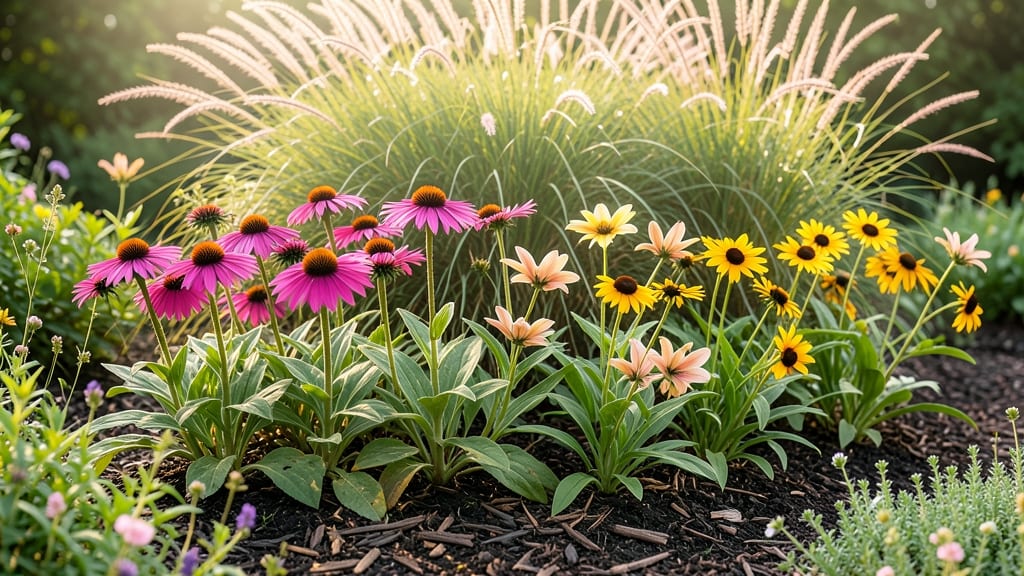
Big gardens in Omaha provide expansive community plots and urban farming spaces through initiatives like Omaha’s Big Garden program, giving residents access to fertile land for cultivating vegetables, flowers, and herbs with nonprofit and city support.
These community-driven spaces transform underutilized urban areas into thriving green zones, fostering both food security and neighborhood connections. 🌱 The Omaha Big Garden initiative, for example, offers plots ranging from 10x20 feet to full-acre community gardens, with structured programs for soil prep, irrigation, and even educational workshops.
What sets these apart is their collaborative approach—many gardens include shared tools, composting systems, and volunteer networks to help beginners succeed.
For those new to gardening, these programs often provide starter plants and seasonal guidance, while experienced gardeners can take on larger plots or even mentor others. The real magic happens in the shared resources: some locations even offer seed libraries or host harvest festivals to celebrate the community's collective effort.
💡 In This Article
- How Omaha’s Community Garden Programs Work
- Best Big Garden Plots in Omaha for Beginners and Experts
How Omaha’s community garden programs work
Omaha’s community garden programs operate on a structured, collaborative model designed to maximize accessibility and success for all skill levels. At the core, these gardens provide pre-tilled, fertile plots—typically measuring 10x20 feet for individual gardeners or larger communal areas—eliminating the need for heavy soil preparation.
The Omaha Big Garden initiative, for instance, partners with the Douglas County Extension to conduct annual soil tests, ensuring plots have optimal pH levels (around 6.0-7.0) and nutrient balance for vegetable growth. This partnership also provides free workshops on crop rotation, pest management, and organic gardening techniques.
The mechanics differ significantly from traditional home gardening. Most programs offer shared resources like drip irrigation systems, compost bins, and tool libraries, reducing individual costs.
For example, the North Omaha Community Garden provides 10-gallon watering cans and wheelbarrows for all members, while larger gardens like South Omaha’s Big Garden feature communal greenhouses for starting seedlings.
Membership typically requires a $20-$50 annual fee (sliding scale for low-income participants), which covers water access, basic maintenance, and insurance. 🌱
Seasonal access rules create a rhythm that keeps gardens productive year-round. Most plots follow a spring-to-fall growing season (April through October), with soil preparation beginning in early spring and harvest festivals in late summer. Winter months are dedicated to planning, soil enrichment (via composting), and educational workshops.
What’s unique is the emphasis on shared responsibility—neighbors often form "garden pods" to maintain common areas, ensuring no plot goes unused. This structure transforms gardening from a solitary hobby into a communal experience.
For those new to gardening, these programs include beginner-friendly features like pre-planted starter kits (containing tomatoes, peppers, and herbs) and mentorship opportunities. Experienced gardeners, meanwhile, can take on larger plots or volunteer to lead workshops, creating a two-way knowledge exchange.
The Omaha Big Garden even offers a "Garden Passport" system, where participants earn points for volunteering or sharing produce, redeemable for seeds or gardening tools. This incentivizes community engagement beyond just planting.
One standout aspect is the integration of technology and data. Programs like Omaha’s Big Garden use digital tracking to monitor plot productivity, water usage, and crop yields—information shared annually with participants to demonstrate the program’s impact.
For example, in 2022, their gardens produced over 12,000 pounds of fresh produce, distributed to local food banks and community members. This transparency builds trust and highlights the tangible benefits of collective gardening efforts.
The real innovation lies in how these programs address urban challenges. Many gardens are located in food deserts, where access to fresh produce is limited. By providing not just land but also education and resources, they create a model that’s both sustainable and scalable.
For instance, the South Omaha Big Garden partners with local schools to teach children about agriculture, ensuring the next generation continues the tradition.