
Planting
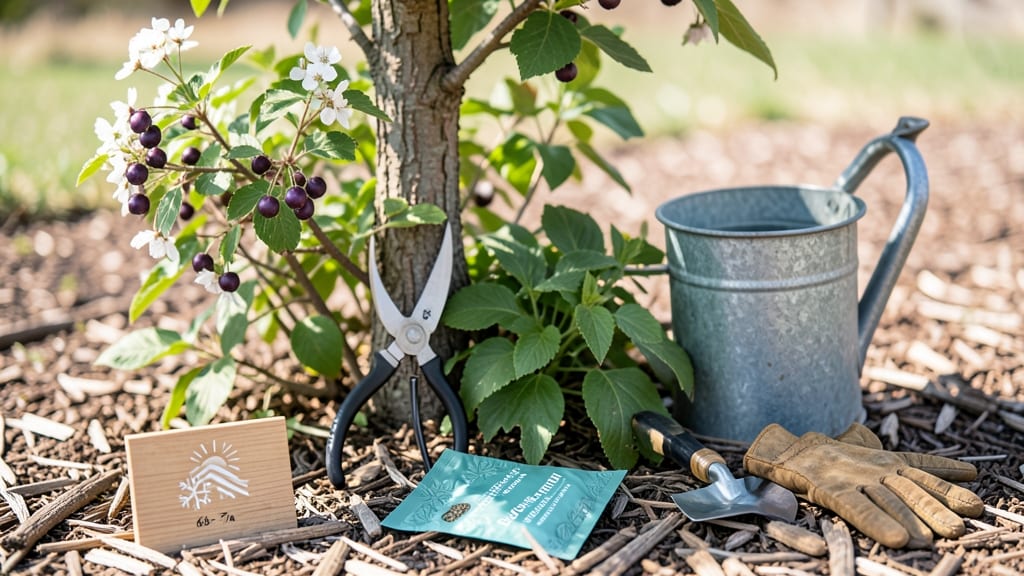
Gardening in Boise, Idaho centers around USDA Zone 7a, with warmer microclimates reaching Zone 7b in protected spots, creating ideal conditions for diverse plantings from late spring through early fall.
Boise's elevation of 2,600 feet and urban heat islands push summer temperatures into the 90s°F, while winter inversions can drop nighttime lows below 10°F—meaning your garden faces both heat stress and cold snaps. 🌡️ The city's varied terrain creates microclimates where Zone 7b plants like peonies or hydrangeas thrive near south-facing walls, while Zone 7a standards (like Russian sage) perform best in open areas.
I always recommend testing your specific spot's conditions by monitoring overnight lows for at least two seasons before committing to heat-sensitive varieties.
For summer resilience, prioritize afternoon shade for heat-loving plants and improve drainage with compost amendments—Boise's clay-heavy soil can bake hard when dry. Mulching with 3-4 inches of straw helps retain moisture while protecting roots during those sudden cold snaps.
The key is balancing Boise's 150+ sunny days with strategic watering: deep soaks twice weekly during peak heat (June-August) work better than frequent light sprinkles that encourage shallow root systems.
💡 In This Article
- USDA Zone 7a in Boise: Temperature Ranges and Plant Hardiness
- Microclimate Adjustments for Boise Gardens: Sun Exposure and Soil Tips
USDA Zone 7a in Boise: temperature ranges and plant hardiness
The USDA Zone 7a designation for Boise means your garden can handle average minimum winter temperatures between 0°F and 10°F, with the city's 2,600-foot elevation creating a unique thermal belt.
This elevation moderates extreme cold better than lower desert areas but also intensifies summer heat—Boise's urban core can hit 95°F+ while surrounding foothills stay 10°F cooler.
The temperature threshold for Zone 7a plants is critical: varieties like Russian sage or catmint survive down to 0°F, while peony roots (Zone 7b) need protection below 10°F.
Boise's summer heat creates another challenge: daytime temperatures frequently exceed 90°F for months, pushing Zone 7a plants toward their upper heat tolerance limits. Lavender, for example, thrives in Zone 7a but may struggle in full sun without afternoon shade, while black-eyed Susans handle the heat better due to their deep taproots.
The city's urban heat island effect can raise microclimates by 5-10°F compared to rural areas, meaning your downtown garden might support Zone 7b plants like hydrangeas where your suburban yard would only handle Zone 7a varieties.
For successful planting, focus on perennials with adaptive root systems—like sedum or yarrow—that store moisture during summer droughts. These plants naturally handle Boise's 150+ sunny days annually while still surviving winter lows.
The key is matching plant hardiness to your specific microclimate: test your garden's cold tolerance by monitoring overnight lows for two seasons before committing to heat-sensitive varieties like roses, which need winter protection even in Zone 7a.
Winter inversions present another layer of complexity. These temperature inversions—where cold air settles in valleys while higher elevations stay warmer—can create 10°F temperature differences within just 1,000 feet of elevation.
This means your south-facing slope might safely grow Zone 7b plants, while the valley floor stays strictly Zone 7a. Always consider these microclimatic variations when selecting plants, especially for fruit trees that need both winter chill hours and summer heat tolerance.
Boise's continental climate also means dramatic seasonal shifts: 50°F temperature swings between day and night during spring/fall transitions. This volatility affects plant establishment—cool-season crops like kale may bolt prematurely in warm spells, while warm-season plants like tomatoes need protection from late frosts.
The solution? Use row covers for early planting and mulch heavily to moderate soil temperatures.
Understanding these temperature dynamics helps explain why some Zone 7a plants thrive in Boise while others struggle. For instance, daylilies handle the extremes well, while hostas may suffer from summer heat stress without afternoon shade.
The science behind this lies in how plants balance photosynthesis (which requires warmth) with cold hardiness—Boise's climate creates a perfect storm for plants that can adapt to both extremes.