
Container Gardens
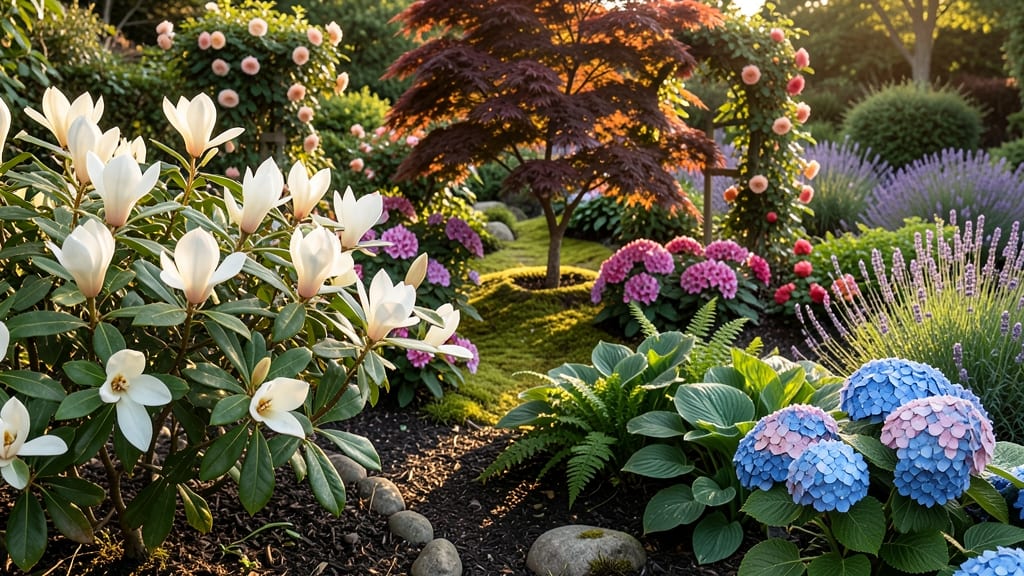
The Botanical Gardens Belfast offers breathtaking glasshouses, rare plant collections, and themed gardens like the Japanese Garden and Waterfall Garden, featuring seasonal highlights such as tulip displays and autumn foliage. Don't miss the Victorian Palm House or the peaceful Woodland Garden.
This 150-year-old horticultural treasure blends Victorian architecture with modern conservation, showcasing over 2,000 plant species across 23 acres. 🌿 The glasshouses create microclimates for tropical treasures like orchids and ferns, while the native Irish gardens highlight biodiversity preservation.
Even the pathways are designed to guide visitors through botanical stories—from medicinal plants to endangered species recovery programs.
What makes it special is how the gardens evolve with the seasons. Spring brings vibrant tulips and daffodils, summer transforms the Waterfall Garden into a lush paradise, and autumn paints the Woodland Garden in fiery hues. Pro tip: Weekday mornings offer the quietest experience to fully appreciate these seasonal transformations.
💡 In This Article
- Exploring Belfast Botanical Gardens’ Unique Plant Collections
- Seasonal Must-See Events in Belfast Botanical Gardens
Exploring belfast botanical gardens’ unique plant collections
The gardens' Victorian Palm House is a masterpiece of 19th-century engineering, housing over 1,000 tropical plants in a climate-controlled environment. This 1845-built glasshouse maintains 70-80°F year-round, creating a rainforest-like atmosphere where orchids, ferns, and bromeliads thrive.
The humidity levels are carefully regulated between 60-70%, mimicking their natural habitats in Central and South America. 🌿 What's fascinating is how the curved iron framework and layered glass panels allow sunlight to filter gently, preventing leaf scorch while maximizing photosynthesis.
Native Irish flora takes center stage in the Woodland Garden, where species like the native bluebell (Hyacinthoides non-scripta) and heather (Calluna vulgaris) demonstrate perfect adaptation to Northern Ireland's mild maritime climate.
The soil here is acidic (pH 4.5-5.5), ideal for ericaceous plants that thrive in poor, well-drained conditions. Unlike tropical glasshouses, these native plants have evolved to handle cool summers (average 60°F) and mild winters (above freezing), showcasing remarkable resilience.
The garden's layered planting technique creates a natural understory effect, with ferns and mosses covering the forest floor while taller trees like sessile oak (Quercus petraea) dominate the canopy.
Conservation plays a crucial role in the gardens' plant collections. The Japanese Garden features 12 endangered rhododendron species, propagated through tissue culture techniques to prevent extinction. These plants require specific pH levels (5.0-6.0) and partial shade, creating microclimates within the garden.
The Waterfall Garden demonstrates another conservation success story, where native Irish ferns like the male fern (Dryopteris filix-mas) thrive in the high-humidity environment created by the cascading water features. This not only supports biodiversity but also provides educational opportunities about habitat restoration techniques.
Seasonal changes dramatically alter the plant displays. In spring, the tulip collection (over 50 varieties) bursts into color, while summer transforms the perennial borders into a riot of lavender, echinacea, and rudbeckia.
The autumn foliage in the Woodland Garden turns fiery shades of orange and red, while winter reveals the evergreen conifers and bare branches of deciduous trees like rowan (Sorbus aucuparia). Each season offers a different perspective on how these plants interact with their environment. 💫
The gardens also feature medicinal plant collections, where visitors can learn about historical uses of plants like foxglove (Digitalis purpurea) for heart conditions and yarrow (Achillea millefolium) for wound healing.
These living laboratories demonstrate how botanical science connects to human health, making the gardens both a scientific resource and a cultural treasure.
The careful curation of these collections ensures that each plant has the optimal growing conditions for its specific needs, whether that's full sun exposure or shaded woodland conditions.
What truly sets Belfast Botanical Gardens apart is their educational approach. Through interactive displays and guided tours, visitors learn about plant propagation techniques, pollination processes, and ecological relationships. The glasshouse environments provide hands-on examples of how microclimates can support biodiversity in unexpected locations.
Whether you're admiring the giant Victoria amazonica water lilies in the Palm House or exploring the native wildflower meadows, every plant tells a story about adaptation, conservation, and the intricate web of life. ✨