
Fertilization
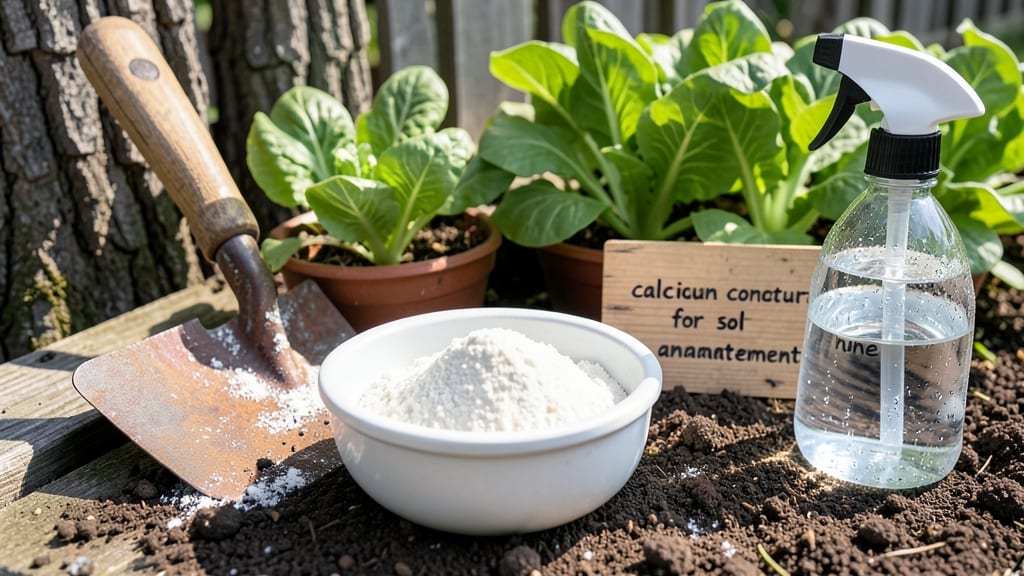
Calcium carbonate in gardening effectively raises soil pH and neutralizes acidity, with a recommended dosage of 5–10 pounds per 100 square feet for most acidic soils. Apply evenly, water lightly, and retest pH after 2–4 weeks for optimal plant health.
Calcium carbonate, often called garden lime, works by reacting with hydrogen ions in acidic soil to form water and carbon dioxide, which gradually raises the pH. 🌱 This process isn't instant—it can take weeks to months for full results, so patience is key.
I've found that testing soil pH before and after application helps track progress accurately, especially for plants like blueberries or azaleas that thrive in slightly acidic conditions.
For best results, apply calcium carbonate in early spring or fall when soil is moist but not waterlogged. Use a spreader for even distribution, and avoid over-applying, as too much can make soil alkaline. Always wear gloves and a mask when handling powdered forms to protect your skin and lungs.
💡 In This Article
- How Calcium Carbonate Adjusts Soil pH Chemistry
- Step-by-Step Guide: Applying Calcium Carbonate for Acidic Soil
How calcium carbonate adjusts soil pH chemistry
Calcium carbonate (CaCO₃) works as a soil amendment by undergoing a chemical reaction called neutralization. When applied to acidic soil (pH below 6.5), it reacts with hydrogen ions (H⁺) present in the soil solution, forming water (H₂O) and carbon dioxide (CO₂).
This reaction reduces acidity by converting H⁺ ions into neutral molecules, gradually raising the pH toward a more balanced level. The process is slow—typically taking 4-8 weeks for noticeable changes—because soil microbes and water movement help distribute the carbonate particles evenly.
The magic happens at the molecular level: each gram of calcium carbonate can neutralize about 1.5 grams of pure sulfuric acid or its equivalent in soil acidity. This makes it far more effective than organic amendments like wood ash, which lack the consistent chemical composition.
For example, in a pH 5.0 soil (highly acidic), applying 5 pounds of calcium carbonate per 100 square feet might raise the pH by 0.5-1.0 points over a growing season. The key is patience—rushing applications can lead to uneven pH shifts or localized alkalinity spots.
What makes calcium carbonate special is its buffering capacity. Unlike quick-fix amendments that raise pH temporarily, calcium carbonate forms stable calcium ions (Ca²⁺) that help maintain soil structure and nutrient availability. These ions also improve soil aggregation, creating better pore spaces for root growth and water infiltration.
For instance, blueberry bushes—which prefer pH 4.5-5.5—might see stunted growth if you overshoot to pH 6.5+, while vegetables like tomatoes thrive at pH 6.0-7.0. This is why soil testing before and after application is non-negotiable.
Temperature and moisture also play critical roles in the reaction rate. Warmer soils (above 50°F) accelerate the process, while cooler, wet conditions slow it down. That’s why fall applications in temperate climates often yield better long-term results—the carbonate has time to integrate before winter dormancy.
In contrast, tropical regions might see faster pH changes due to higher microbial activity. Always aim for 10-20% soil moisture when applying to ensure the chemical reaction proceeds efficiently.
One common misconception is that calcium carbonate only affects pH. In reality, it also supplies essential calcium and magnesium nutrients, which are vital for cell wall development in plants. For example, calcium deficiency (often called "blossom end rot" in tomatoes) can be prevented by regular calcium carbonate use.
However, overapplication can lead to magnesium deficiency, as calcium outcompetes magnesium for uptake. This is why balanced soil testing is your best friend—it reveals not just pH but also nutrient ratios.
For visual learners, think of calcium carbonate as a slow-release pH regulator, like a dimmer switch for acidity. Unlike harsh amendments that shock the soil ecosystem, it works gradually, mimicking natural processes like limestone weathering.
This gentle approach preserves beneficial microbes and earthworms, which are crucial for breaking down organic matter and cycling nutrients. 🌱 The result? Healthier soil that supports stronger plant growth over time.