
Diseases
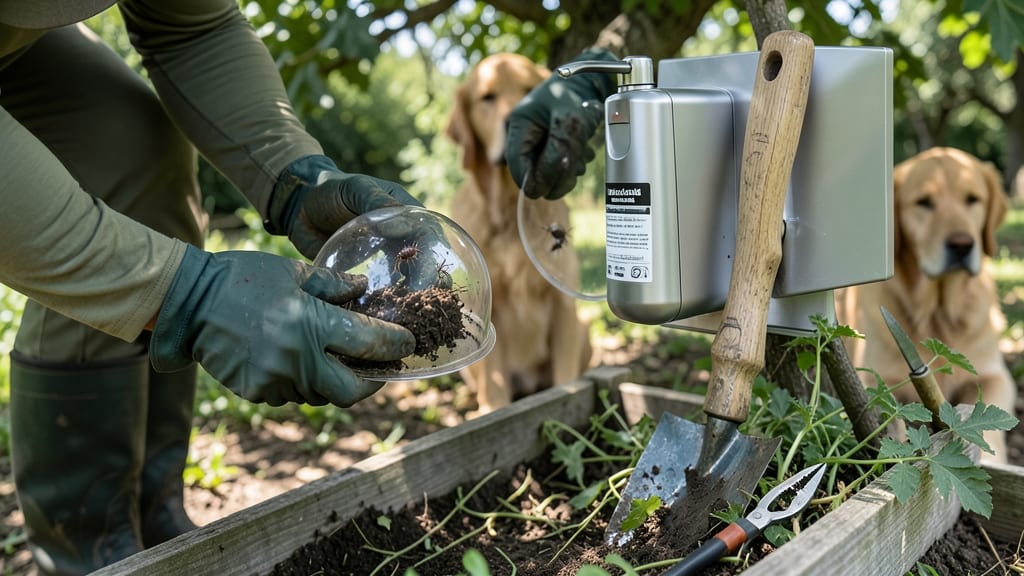
You can get scabies from gardening if exposed to infected human skin cells or contaminated soil, though transmission through soil alone is rare. Scabies spreads primarily through direct skin-to-skin contact, not from plants or dirt.
Gardening itself isn't a high-risk activity for scabies, but the environment can become a vector if infected skin cells or mites linger on tools, gloves, or shared surfaces. 🔥 The scabies mite, Sarcoptes scabiei, thrives on human skin and rarely survives long in soil or on plants.
However, if someone with untreated scabies handles gardening equipment or touches plants, the mites could transfer indirectly. Always wash hands thoroughly after gardening, especially before eating or touching your face.
Prevention focuses on breaking the chain of transmission. Wear long sleeves and gloves when handling soil or plants, and sanitize tools regularly with rubbing alcohol. If you suspect exposure, monitor your skin for itchy rashes or burrows—early treatment with prescription creams or lotions is key to preventing outbreaks.
Pets can also carry scabies, so keep them out of garden areas if infested.
💡 In This Article
- How Scabies Spreads in Gardening Environments
- Preventing Scabies While Gardening: Safety Measures
How scabies spreads in gardening environments
The scabies mite, Sarcoptes scabiei, cannot survive long outside human skin—typically just 24-48 hours in dry conditions like soil or on plants. However, the real risk in gardening comes from indirect contact with infected skin cells.
When someone with untreated scabies handles gardening tools, gloves, or plants, microscopic eggs or fecal matter from mites can cling to surfaces. These particles remain viable for short periods, especially in damp or shaded areas where humidity preserves them.
Direct transmission pathways in gardening include touching contaminated tools, shared gloves, or even clothing left on garden furniture. For example, if a gardener with scabies wears a shirt while working and then leaves it draped over a fence, someone else touching that fabric could pick up mites.
Pets like dogs or cats can also carry scabies (a condition called "canine scabies" or "feline scabies"), and their fur may transfer mites to garden surfaces when they brush against plants or tools. 🔥
Soil itself is an unlikely carrier because mites require human skin's warmth and oils to survive. Studies show that even in ideal conditions, mites die within 3-5 days in garden soil due to exposure to sunlight, temperature fluctuations, and microbial competition.
The primary concern is shared surfaces—like pruners, trowels, or wheelbarrows—where skin cells might linger. These tools become "fomites," objects that can passively spread mites if not properly cleaned.
Humidity plays a critical role in mite survival. In a damp greenhouse or shaded garden bed, mites might persist slightly longer (up to 72 hours) because moisture prevents desiccation.
This is why gardeners working in greenhouses or during rainy seasons should take extra precautions, like wearing disposable gloves and washing hands with 60% alcohol-based sanitizer afterward.
The mites' lifecycle—where females burrow into skin to lay eggs—means they can't complete their cycle without a human host, making soil transmission extremely rare.
Visual clues can help identify risks. Look for signs of previous scabies cases in your garden: unexplained itchy patches on tools, unusual redness on plant stems where skin might have brushed against them, or pets scratching excessively near garden areas.
These indicators suggest potential indirect exposure paths. Understanding these pathways helps gardeners focus prevention efforts on high-touch surfaces rather than worrying about soil contamination. ✨
One often-overlooked factor is cross-contamination between gardening and household activities. For instance, if you handle contaminated tools and then touch your face, door knobs, or kitchen counters, you create new exposure routes indoors.
The mite's tiny size—about 0.3-0.4 millimeters long—means it can hitchhike on almost any surface, making thorough handwashing (20 seconds with soap) the single most effective prevention step in gardening environments.