
Vegetables
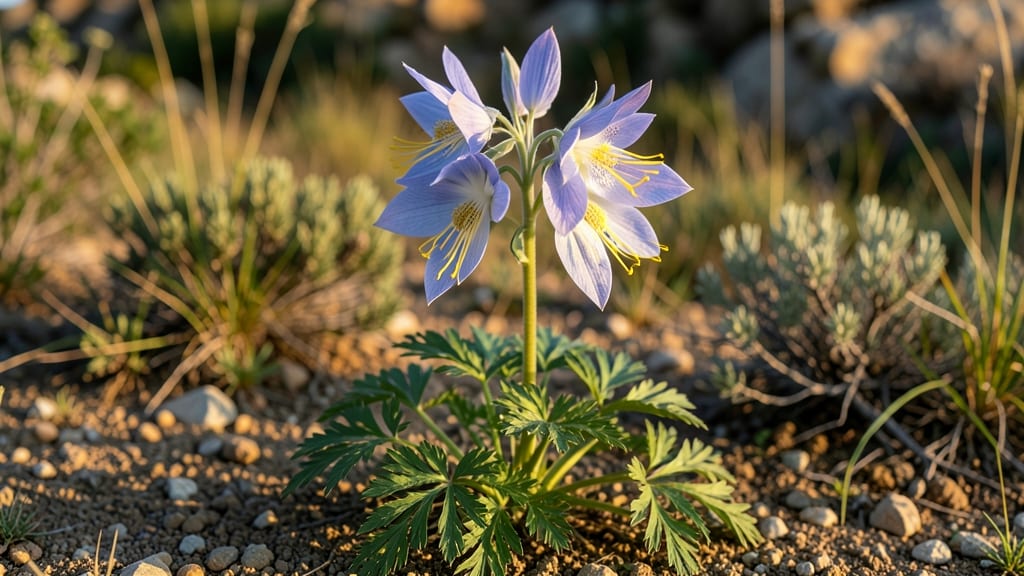
Colorado Springs' garden zone is USDA Hardiness Zones 5b-6a, with winter temperatures dropping between -15°F and -5°F (-26°C to -21°C). This range thrives with hardy perennials, evergreens, and drought-resistant plants like lavender and Colorado blue spruce, while delicate annuals like tomatoes need seasonal protection.
Understanding your garden zone is key to selecting plants that will not only survive but thrive in Colorado Springs' unique climate.
The high elevation—over 7,000 feet—creates dramatic temperature swings, especially during spring and fall, which can stress plants unprepared for sudden cold snaps. 🌡️ Urban areas may experience slightly warmer microclimates than rural spots, so local observations matter.
For example, while the official zone suggests planting peonies in early spring, gardeners in lower-elevation pockets might delay until frost risk has passed.
This zone's semi-arid conditions also demand careful water management. Native plants like Russian sage and yucca have evolved to handle limited moisture, but even drought-tolerant species benefit from 2-3 inches of water weekly during their first growing season.
Mulching with straw or wood chips helps retain soil moisture while protecting roots from extreme temperature fluctuations. The key is balancing hardiness with adaptability—choosing plants that can withstand both the cold winters and the intense summer sun.
💡 In This Article
- How Colorado Springs’ Elevation and Climate Affect Plant Hardiness
- Best Cold-Resistant Plants for Colorado Springs Gardens
How Colorado Springs’ elevation and climate affect plant hardiness
Colorado Springs' elevation of over 7,000 feet creates a unique climate challenge where temperatures can swing dramatically between day and night—sometimes by 30°F or more.
This extreme diurnal variation forces plants to adapt quickly, making hardiness ratings less about average winter lows and more about a plant's ability to handle rapid temperature shifts.
At this altitude, air pressure is lower, causing water to evaporate faster, which is why even drought-resistant plants need smart irrigation strategies like deep watering cycles rather than frequent shallow watering.
The semi-arid conditions mean humidity levels often drop below 30%, creating a harsh environment for foliage. Evergreens like Colorado blue spruce thrive here because their needle-like leaves reduce water loss, while broadleaf plants may struggle without proper mulching.
Urban areas like downtown Colorado Springs can experience microclimates that are 2-5°F warmer than rural areas due to the "urban heat island" effect, where pavement and buildings absorb and re-radiate heat.
This explains why some gardeners in city pockets successfully grow slightly tender plants like rosemary that might fail in cooler suburban areas.
Frost-free dates vary significantly across the region, with northern areas typically seeing their last frost around May 15 and first frost around October 1, while southern exposures might extend the growing season by 2-3 weeks.
This variability means gardeners should monitor local weather patterns rather than relying solely on zone guidelines. For example, while the USDA zone suggests planting tomatoes after the last frost, many successful gardeners in Colorado Springs use row covers or cold frames to start seedlings 2-3 weeks earlier in protected microclimates.
Wind patterns also play a critical role—Colorado Springs' location in the shadow of Pikes Peak creates wind tunnels that can desiccate plants and increase cold stress.
The Chinook winds, warm dry winds that occasionally blow down from the mountains, can raise temperatures 50°F in a single day, tricking plants into early growth only to be followed by sudden freezes.
This phenomenon explains why some plants that survive winter may still suffer damage from these unpredictable temperature swings.
Soil composition adds another layer of complexity. The region's clay-heavy soils retain moisture but can become waterlogged during spring thaws, while sandy soils in some areas drain too quickly. Amending soil with organic matter like compost improves both water retention and drainage, creating a more stable growing environment.
The key takeaway is that while Colorado Springs' USDA zone provides a starting point, successful gardening here requires understanding these local climate nuances and adapting planting strategies accordingly.
For example, while lavender thrives in this zone, its success depends on well-draining soil and full sun exposure—factors that vary significantly across the city.
Gardeners in lower-elevation areas might need to plant lavender on slopes or raised beds to prevent root rot from winter moisture buildup, while those in higher elevations may need to choose more cold-hardy varieties like English lavender over the more tender French varieties.