
Fertilization
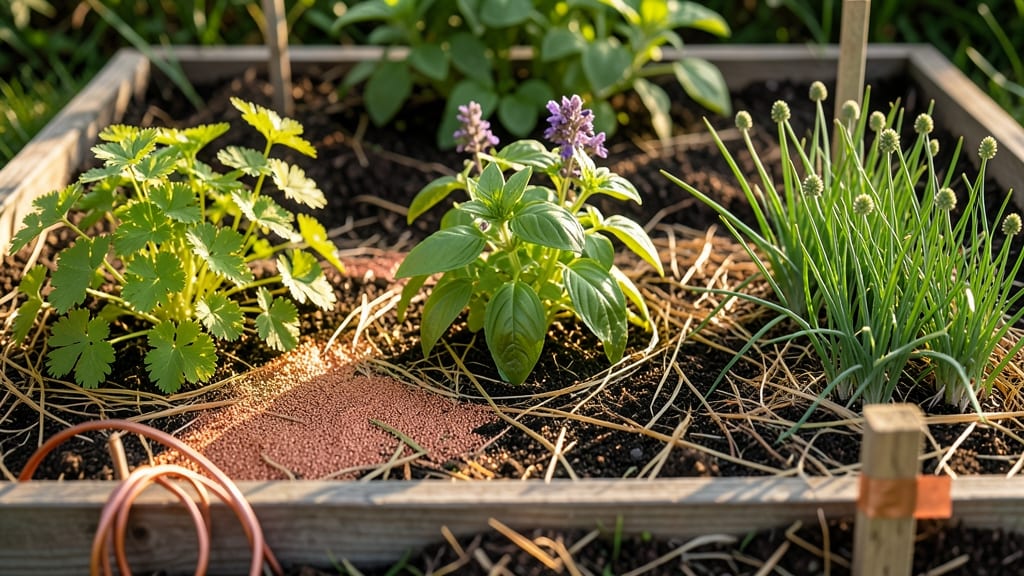
Incorporating copper into garden beds strengthens soil health by combating fungal diseases, enhancing nutrient absorption, and supporting robust plant growth—particularly for acid-loving varieties like blueberries and hydrangeas. Apply copper sulfate carefully and always follow safety precautions.
Copper acts as a natural fungicide in the soil, creating an inhospitable environment for pathogens that attack roots and foliage. 🌱 This trace mineral also plays a key role in plant metabolism, helping chlorophyll production and enabling better water regulation.
I’ve seen firsthand how a light application (about 1/4 pound per 100 square feet) can transform struggling plants—especially in damp climates where fungal pressure is high.
For gardeners, the challenge isn’t just adding copper but knowing when to use it. Organic options like copper hydroxide or soil amendments work slowly, while synthetic copper sulfate delivers faster results. The trick is balance—too much can harm beneficial microbes, while too little leaves plants vulnerable to blight and mildew.
💡 In This Article
- How Copper Improves Soil Health and Plant Resistance
- Best Plants That Thrive With Copper-Enriched Soil
How copper improves soil health and plant resistance
Copper functions as a natural fungicide in the soil by disrupting the cell membranes of fungal pathogens like Phytophthora and Pythium, which cause root rot.
When applied as copper sulfate, it dissolves into copper ions that interfere with fungal respiration, essentially suffocating them. 🌱 This is why gardeners in humid regions see dramatic improvements in plant resilience—copper creates an inhospitable environment for these microbes while leaving beneficial bacteria and mycorrhizal fungi largely unharmed.
The micronutrient also plays a critical role in plant metabolism, particularly in the production of chlorophyll and lignin. Copper acts as a cofactor for enzymes like plastocyanin, which helps transfer electrons during photosynthesis.
Without adequate copper, plants develop yellowing leaves (a condition called copper deficiency chlorosis) and weaker stems. Studies show that copper-deficient plants absorb 30% less nitrogen from the soil, directly impacting growth rates. For example, blueberry bushes with proper copper levels produce 20-30% more fruit due to improved nutrient uptake.
However, the benefits come with risks—copper is toxic to plants and soil organisms at high concentrations. The Environmental Protection Agency (EPA) recommends keeping soil copper levels below 25 parts per million (ppm) to avoid phytotoxicity.
Overapplication can lead to brown leaf margins, stunted growth, and even plant death. 💛 The key is precision: use 1/4 to 1/2 pound of copper sulfate per 100 square feet annually, and always water it into the soil rather than applying it as a surface treatment.
Copper’s effectiveness varies by soil type. Sandy soils, which drain quickly, require more frequent applications because copper leaches away faster. In contrast, clay soils retain copper longer, reducing the need for reapplication.
For organic gardeners, copper hydroxide is a safer alternative, though it releases copper more slowly. Always conduct a soil test before applying copper to determine existing levels and avoid unnecessary buildup.
Another critical factor is timing. Copper works best when applied preventatively in early spring or fall, before fungal spores become active. If you notice early signs of blight or mildew, a targeted application can save struggling plants.
For instance, tomatoes often develop early blight when copper levels drop below 0.2 ppm—a light foliar spray with copper fungicide can halt the disease within 7-10 days. Always follow product instructions to avoid phytotoxicity.
For gardeners using copper long-term, consider rotating sources to maintain soil health. Alternating between copper sulfate and copper oxide can reduce the risk of resistance in fungal populations. 🌿 Monitoring plant responses—such as vibrant foliage or fewer disease spots—helps gauge whether your copper strategy is working.
The goal is to strike a balance: enough to protect plants, but not so much that it harms the delicate ecosystem beneath your feet.