
Advice
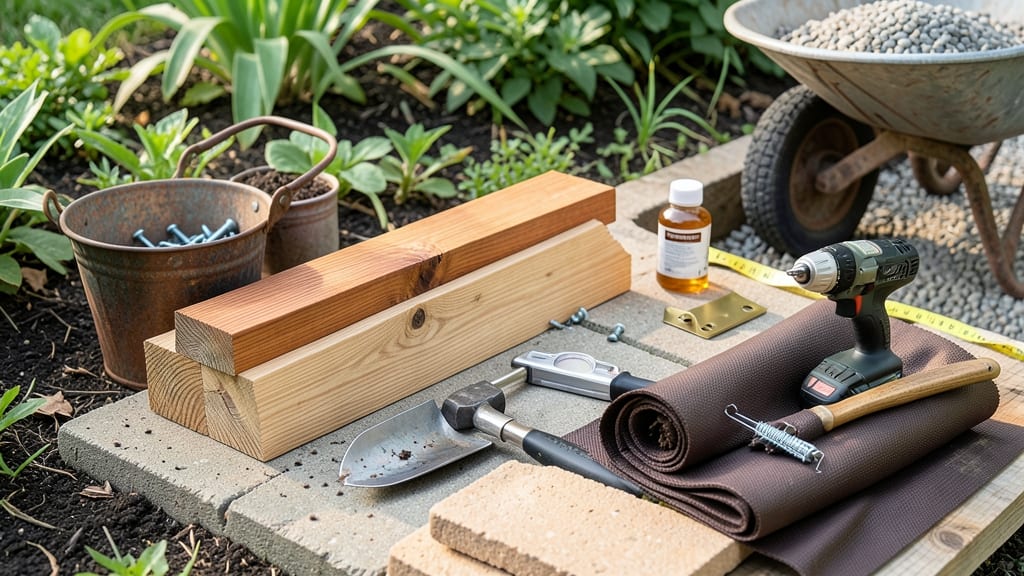
The cost to make a raised garden bed typically ranges from $50 to $500+, influenced by factors like bed dimensions (4’x8’ vs 8’x12’), lumber choices (cedar vs composite), and whether you handle the project yourself or hire professionals. Basic cedar beds usually land between $100–$300, while high-end options with hardware cloth and pre-mixed soil can easily climb past $600.
Your budget will shift dramatically based on material quality and project scope. 🌱 For example, opting for pressure-treated pine instead of cedar could cut costs by 30%, while adding a built-in drainage system or decorative stone edging might add $100–$200.
I've seen DIYers save hundreds by sourcing lumber from reclaimed wood suppliers or using cinder blocks as a base instead of full-height framing.
Don't overlook the hidden costs either—soil, compost, and landscape fabric can add up quickly, especially if you're filling a large bed. A 4’x8’ bed might need 2–3 cubic yards of soil, costing $50–$150 depending on your location. Planning ahead for these extras prevents sticker shock at checkout.
💡 In This Article
- Material Cost Breakdown for DIY Raised Garden Beds
- Ways to Reduce Raised Garden Bed Costs Without Sacrificing Quality
Material cost breakdown for DIY raised garden beds
The foundation of your raised bed's cost comes from lumber selection, where cedar and redwood lead the pack in durability and natural resistance to rot. A 4’x8’ cedar bed typically requires 12–16 linear feet of 2x6 boards (for 6"–8" height), costing $15–$25 per board.
That's why a basic cedar bed starts around $100–$200—cedar's natural oils make it last 10–15 years without chemical treatments, unlike pressure-treated pine which costs $8–$15 per board but may need replacement sooner.
Hardware adds another $20–$50 to the budget, depending on whether you use galvanized screws ($0.50–$1 each) or heavy-duty corner brackets ($3–$6 each). For a 4’x8’ bed, you'll need about 50–70 screws and 4–6 brackets.
The real cost jump comes with optional features: landscape fabric runs $1–$3 per square foot, while hardware cloth for pest protection adds $5–$10 per square foot. A 4’x8’ bed might need 32 sq ft of fabric, pushing costs up by $32–$96.
Size dramatically impacts material needs. A 8’x12’ bed requires 3–4 times more lumber than a 4’x8’, jumping costs to $300–$600 for cedar alone. The height matters too—adding 2" to your bed's height (from 6" to 8") increases lumber volume by 33%.
This is why many gardeners start with 6"–8" height beds (optimal for root growth) while keeping lengths under 4'–6' to avoid sagging over time.
Composite lumber offers a premium alternative at $10–$20 per board, lasting 20+ years and resisting pests, but its cost makes it better suited for 8’x12’ beds where durability justifies the investment. The trade-off? Composite boards weigh 30% more than cedar, requiring heavier hardware and potentially more labor.
For budget-conscious builders, recycled plastic lumber (made from post-consumer plastic) costs $8–$15 per board but lacks the natural aesthetic of wood.
Don't forget the soil—filling a 4’x8’x6" bed requires 1.5 cubic yards of quality garden soil, costing $50–$150 depending on whether you use topsoil ($20–$40/cubic yard) or pre-mixed raised bed soil ($50–$80/cubic yard). The soil choice affects long-term costs too: cheaper fill dirt may compact over time, requiring costly top-ups.
For a 8’x12’ bed, you're looking at 4–5 cubic yards, where bulk purchasing can save 15–20%.
Pro tip: Measure twice, buy once. Many DIYers overestimate lumber needs by 20–30% due to cutting errors, leading to wasted material. Pre-cut kits eliminate this guesswork but add $50–$150 to the base cost.
The sweet spot for cost efficiency is a 4’x8’ cedar bed with 6" height—it balances material needs with manageable costs while providing ample growing space for most home gardens.