
Container Gardens
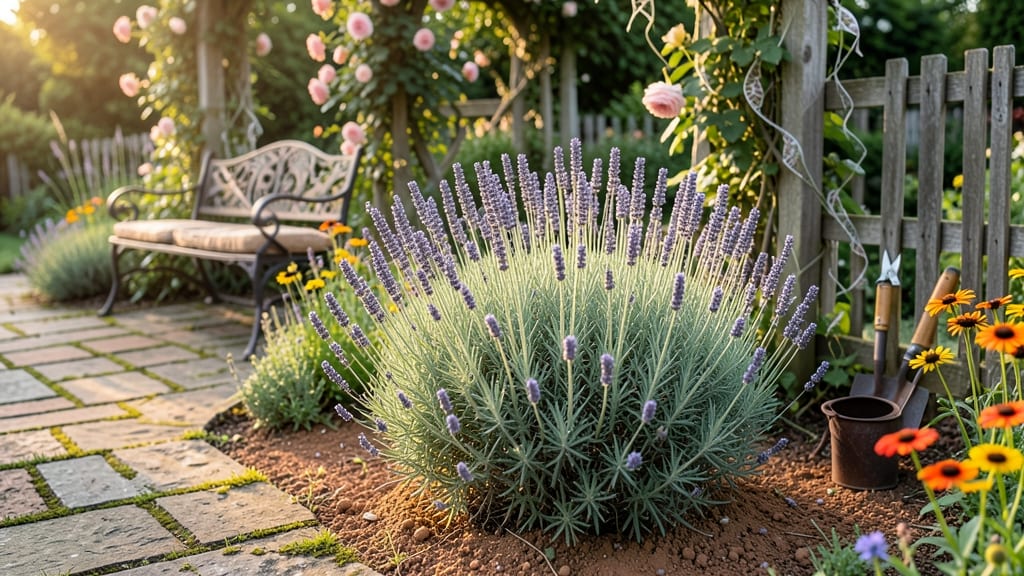
A cottage garden in Waupaca, WI thrives with native perennials like coneflowers and black-eyed Susans, layered with shrubs such as serviceberry, while raised beds and proper drainage handle the region's cool summers and wet springs. Design with informal, romantic layouts featuring mixed heights and seasonal blooms for continuous color.
A cottage garden in Waupaca, WI needs to embrace the area's unique growing conditions—think cool summers and damp springs that can challenge traditional planting. 🌿 The key is selecting plants that not only survive but thrive in these conditions, like bee balm and columbine, which add vibrant color while requiring minimal care.
Raised beds are a game-changer here, as they improve drainage and prevent soil compaction, which is especially important given the region's sandy loam and occasional clay pockets.
What sets Waupaca apart is its USDA hardiness zone 5b-6a, meaning you can push the boundaries with slightly tender perennials if you provide winter protection. Layering in native shrubs like elderberry adds structure and wildlife benefits, while annuals such as hollyhocks bring height and drama.
The goal is to create a garden that feels lush and inviting year-round, even when some plants are dormant.
💡 In This Article
- Waupaca WI Microclimate and Soil Considerations for Cottage Gardens
- Top Native and Cold-Hardy Plants for Waupaca Cottage Gardens
Waupaca WI microclimate and soil considerations for cottage gardens
Waupaca's USDA hardiness zone 5b-6a means you're working with a climate where winters dip below -15°F but summers rarely exceed 75°F. This cooler growing season favors plants that thrive in moderate temperatures, like black-eyed Susans and Russian sage, which bloom prolifically without the stress of extreme heat.
The region's 45-60 inches of annual rainfall also means you'll need to prioritize plants that handle moisture—like hostas and astilbes—while avoiding those prone to root rot in soggy conditions.
The soil in Waupaca is a mix of sandy loam and clay pockets, which drain quickly but can become compacted when wet.
This is why raised beds are a game-changer—they improve drainage and prevent soil compaction, which is especially critical during the region's wet springs. 🌱 For example, a 4' x 8' raised bed filled with a mix of 50% compost, 30% topsoil, and 20% perlite creates ideal conditions for moisture-sensitive plants like lavender or thyme.
Test your soil's pH too; most cottage garden plants prefer a slightly acidic to neutral range (6.0-7.0), which you can achieve with elemental sulfur or lime amendments.
Late frosts are another challenge—Waupaca's last average frost date is May 15, so wait until after that to plant tender annuals like hollyhocks or lupines.
Meanwhile, high humidity (especially in summer) can promote fungal diseases, so space plants 18-24 inches apart for airflow and mulch with 3-4 inches of wood chips to retain moisture while suppressing weeds.
This spacing also creates the classic romantic, layered look of a cottage garden, where no two plants compete for sunlight or nutrients.
To maximize resilience, group plants by their water needs. For instance, place drought-tolerant perennials like sedum or yarrow on the south side of raised beds where they'll get more sun, while moisture-loving plants like columbine or bee balm thrive on the north side with afternoon shade.
This zoning mimics natural ecosystems and reduces your workload—no more overwatering or underwatering different sections of the garden. 💫
One often-overlooked factor is wind exposure. Waupaca's open landscapes mean gusts can reach 15-20 mph in spring, which can damage delicate stems. Use tall shrubs like elderberry or serviceberry as windbreaks on the garden's perimeter, while sturdy perennials like coneflowers or shasta daisies hold up better in open areas.
These shrubs also provide year-round structure, even when perennials are dormant in winter.
Finally, consider the microclimates within your property. A south-facing slope will be warmer and drier, while a low-lying area may stay cooler and wetter. Map these zones before planting—this is how you create a garden that feels lush and intentional, rather than a random collection of plants.
For example, Russian sage might thrive on the sunny slope, while heuchera (coral bells) could flourish in the shadier, moister spot. 🌿