
Tools
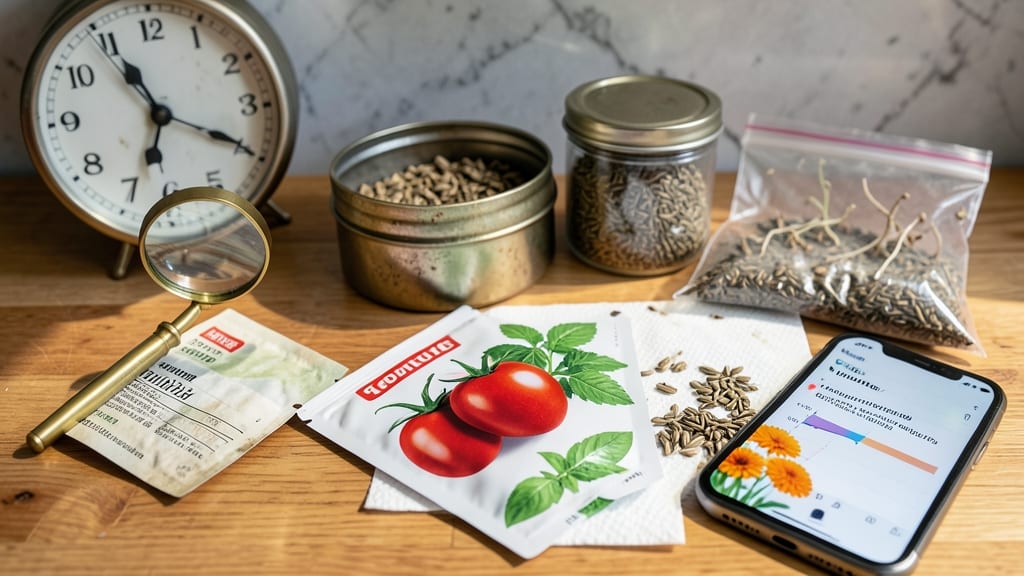
Garden seeds do expire, losing viability within 1–5 years depending on the plant type, though some properly stored seeds can remain usable for up to 10 years. Always check seed packets for expiration dates and store them in cool, dry conditions to maximize their shelf life.
Seed expiration isn't just about age—it's about how well you've protected them from moisture and temperature swings. 🌱 Some seeds, like beans or peas, can last 3–5 years, while delicate varieties like lettuce or parsley may only stay viable for 1–2 years.
The key factor is the seed's moisture content: higher moisture means faster deterioration. Even if a seed packet claims a 5-year shelf life, improper storage can cut that in half.
For long-term storage, I recommend using airtight containers with silica gel packets to absorb moisture. A cool, dark pantry works for short-term storage, but for seeds you want to save for years, a refrigerator or freezer is ideal.
Always test germination rates before planting by soaking a few seeds in water—if they don't sprout within a week, it's time to replace them.
💡 In This Article
- Seed Viability Factors and Lifespan by Plant Type
- Optimal Seed Storage Methods for Long-Term Freshness
Seed viability factors and lifespan by plant type
Seed longevity depends on their natural composition and environmental sensitivity. Seeds with higher oil or protein content—like beans, peas, and sunflower seeds—typically last 3-5 years because these compounds accelerate deterioration when exposed to oxygen or warmth.
On the other hand, small-seeded plants like lettuce or parsley contain less moisture and oils, making them more delicate with viability dropping to just 1-2 years if not stored properly.
The science behind this involves the seed's embryo metabolism. Seeds with active embryos (like tomato or pepper seeds) respire even in storage, consuming their own nutrients over time.
For example, a tomato seed packet labeled with a 5-year shelf life assumes perfect storage—any humidity above 5-10% can halve that lifespan. 🌱 Compare this to onion seeds, which can last up to 10 years due to their low moisture content and tough outer coats that resist degradation.
Temperature fluctuations also play a critical role. Seeds stored at 32-41°F (ideal for long-term preservation) maintain viability far longer than those kept in warm pantries.
For instance, basil seeds stored at room temperature may only last 6 months, while the same seeds frozen at 0°F could remain viable for 2-3 years. This is why seed banks use climate-controlled environments—even a 10°F increase can accelerate aging by 20%.
Another factor is the seed's hardiness during dormancy. Some species, like corn or wheat, produce seeds with thick seed coats that protect against moisture loss. These can last 5-7 years even in less-than-ideal conditions.
In contrast, seeds from tender annuals like marigolds or zinnias have thinner coats and require near-perfect storage to avoid mold or premature sprouting.
Testing germination is the only true way to know if seeds are still viable. A simple paper towel test—placing seeds between damp paper towels in a sealed container—reveals their potential within 5-7 days.
If fewer than 50% of seeds sprout, it's time to replenish your supply. This is especially important for heirloom varieties, where genetic purity matters.
Consider these common garden seeds and their typical lifespans when stored properly:
- Beans/peas: 3-5 years (high protein content)
- Tomatoes/peppers: 4-6 years (medium oil content)
- Lettuce/parsley: 1-2 years (delicate, high moisture)
- Onions/carrots: 5-10 years (low moisture, hard coats)
- Herbs (basil/cilantro): 6 months-1 year (quick deterioration)